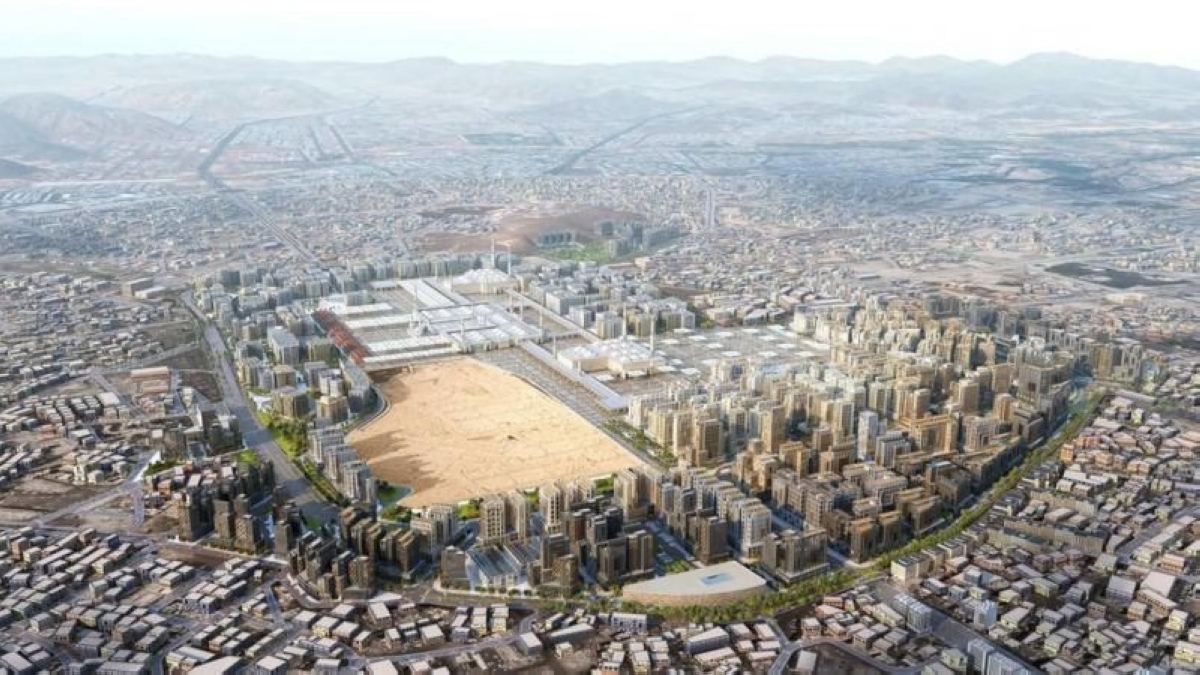

Saudi Arabia’s real estate market experienced a cooling trend in the final quarter of 2025, with the Real Estate Price Index (REPI) declining by 0.7 percent year-over-year. The decrease, reported on Tuesday by the General Authority for Statistics (GASTAT), signals a shift in property values across the Kingdom. This downturn is being closely watched by investors and policymakers as Saudi Arabia continues its ambitious economic diversification plans.
The decline was most pronounced in Riyadh, where the index showed the largest impact on the national average. GASTAT data covers all administrative regions of Saudi Arabia and provides a quarterly overview of price movements. The report’s findings are based on actual real estate transaction data, offering a comprehensive view of market conditions.
Understanding the Recent Decline in the Saudi Arabia Real Estate Price Index
The primary driver of the overall REPI decrease was a 2.2 percent drop in the residential sector, according to the GASTAT report. This contraction encompassed various residential property types, indicating broad-based pressure on housing values. Several factors likely contributed to this softening, including increased housing supply in key cities and evolving economic conditions.
Breakdown of Residential Sector Changes
Within the residential sector, specific segments experienced varying degrees of decline. Residential land prices saw a decrease of 2.4 percent, while apartment prices fell by 2.5 percent. Villa prices also decreased, albeit at a more moderate rate of 1.3 percent. Even residential floor prices experienced a slight dip, falling by 0.2 percent.
On a quarterly basis, the REPI decreased by 0.4 percent compared to the third quarter of 2025. This suggests the downward trend gained momentum towards the end of the year. Both the residential and commercial sectors contributed to this quarterly decline, with drops of 0.4 percent each.
Agricultural land prices also experienced a decrease, falling by 0.7 percent in the fourth quarter. This segment is often influenced by factors distinct from urban property markets, such as government policies related to food security and land use. The interplay between these different sectors provides a nuanced picture of the overall Saudi Arabian economy.
The Saudi Arabian real estate market has been a focal point of investment in recent years, fueled by the Kingdom’s Vision 2030 initiative. This ambitious plan aims to diversify the economy away from oil and includes significant investment in infrastructure and housing. However, the recent price declines raise questions about the sustainability of the previous growth trajectory.
GASTAT emphasizes that the REPI utilizes updated methodologies, incorporating Geospatial Artificial Intelligence (GeoAI) models. This advanced approach integrates data from multiple sources to improve the accuracy and transparency of real estate price information. The use of GeoAI is a relatively recent development, aiming to address historical challenges in data collection and validation within the Saudi property market.
The implementation of these technologies is part of a broader effort to modernize Saudi Arabia’s statistical infrastructure. This modernization is intended to provide policymakers and investors with more reliable data for informed decision-making. Improved data quality is crucial for understanding market dynamics and identifying potential risks.
Analysts suggest that the decline in property values may also be linked to global economic headwinds and rising interest rates. These factors can impact affordability and dampen demand for real estate, both from domestic buyers and foreign investors. The Kingdom’s economic performance is increasingly intertwined with international financial conditions.
The impact of these price changes varies across different regions of Saudi Arabia. While the national index provides an overall picture, local market conditions can differ significantly. Factors such as population growth, employment rates, and local infrastructure projects all play a role in shaping regional housing markets.
The commercial real estate sector, while also experiencing a decline, showed more resilience than the residential market. This could be attributed to ongoing demand for office space and retail properties in key economic centers. However, the long-term outlook for the commercial sector remains uncertain, particularly in light of the growing trend towards remote work.
Looking ahead, the next REPI report, covering the first quarter of 2026, is expected to be released in May. This report will be crucial in determining whether the current downward trend is temporary or indicative of a more prolonged correction. Monitoring factors such as government spending, interest rate movements, and global economic growth will be essential for understanding the future direction of the Saudi Arabian real estate industry. Further analysis will be needed to assess the full impact of Vision 2030 on long-term market trends.
The Saudi Central Bank (SAMA) has not yet issued a statement directly addressing the REPI decline. However, SAMA’s monetary policy decisions, particularly regarding interest rates, will undoubtedly influence the real estate sector. Any adjustments to monetary policy in response to broader economic conditions could have significant implications for property values and investment activity.