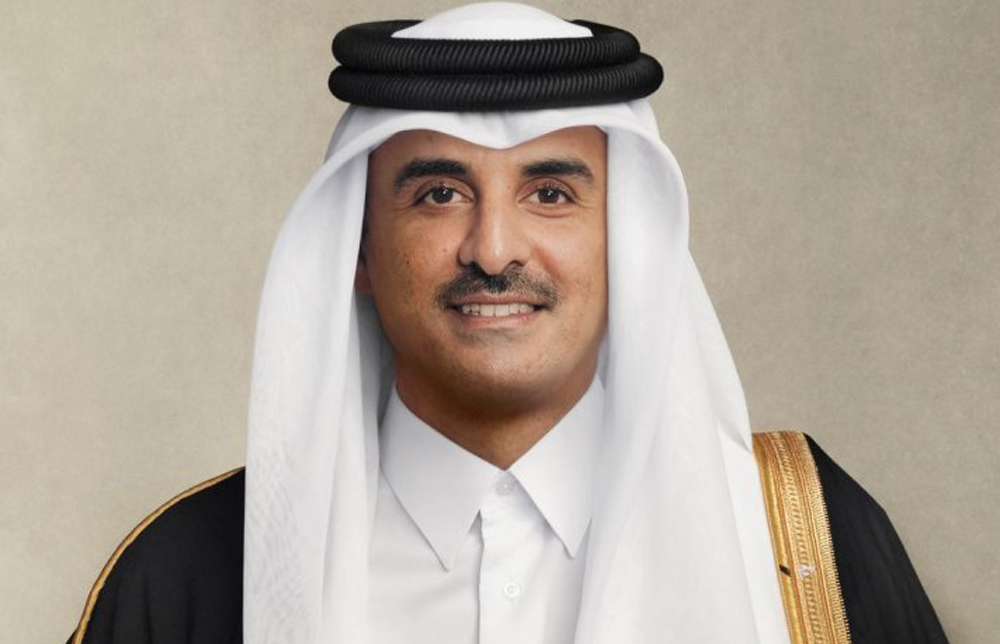

Doha, Qatar – In a move signaling continued strengthening of ties, the Amir of Qatar, HH Sheikh Tamim bin Hamad Al-Thani, held a telephone conversation with Lee Jae-Myung, President of the Republic of Korea, on Thursday. The discussion focused on Qatar-Korea relations and collaborative efforts to promote regional and international stability. This communication underscores Qatar’s proactive diplomatic approach and Korea’s interest in expanding partnerships within the Gulf region.
The call, which took place on February 24, 2022, involved a review of existing bilateral cooperation and exploration of new avenues for development across various sectors. Both leaders affirmed their commitment to deepening the strategic partnership between their nations, according to a statement released by the Amiri Diwan. The conversation also touched upon current global events and the importance of coordinated action to address shared challenges.
Strengthening Qatar-Korea Relations Through Dialogue
Qatar and South Korea have enjoyed a steadily growing relationship, particularly in the areas of energy, construction, and investment. Qatar is a major supplier of liquefied natural gas (LNG) to South Korea, a crucial energy source for the East Asian nation. This energy partnership forms a cornerstone of the economic connection between the two countries.
Economic Cooperation and Investment
Beyond LNG, Korean companies have been actively involved in significant infrastructure projects in Qatar, including those related to the 2022 FIFA World Cup. These projects have boosted economic activity and fostered technological exchange. The Qatar Investment Authority (QIA) has also made strategic investments in South Korean businesses, further solidifying the financial link.
However, the relationship extends beyond purely economic interests. Qatar and South Korea share common ground on several geopolitical issues, leading to increased collaboration on diplomatic initiatives. Both nations prioritize peaceful resolutions to conflicts and actively participate in international forums promoting stability.
During the phone call, President Lee Jae-Myung specifically commended Qatar’s role in conflict resolution and its contributions to international peace and security. This praise reflects Korea’s recognition of Qatar’s growing influence as a regional mediator. The Korean President’s acknowledgement highlights Qatar’s efforts in facilitating dialogue and de-escalation in various regional disputes.
The discussion also encompassed the evolving geopolitical landscape, with a particular focus on maintaining stability in the Middle East and beyond. Both leaders reportedly exchanged views on the situation in Ukraine at the time, and the potential implications for global energy markets and security. This exchange demonstrates a shared concern for the broader international context.
Analysts suggest that this call is part of Qatar’s broader strategy to diversify its international partnerships and enhance its diplomatic standing. The country has been actively engaging with various global powers, seeking to play a more prominent role in addressing international challenges. This proactive approach is driven by Qatar’s desire to ensure its long-term security and economic prosperity.
Furthermore, South Korea is actively seeking to expand its economic and political influence in the Middle East. Strengthening ties with Qatar, a key player in the region, aligns with this objective. The pursuit of closer ties with Qatar is seen as a strategic move to secure access to vital resources and enhance Korea’s regional presence.
Looking ahead, both countries are expected to continue exploring opportunities for collaboration in areas such as renewable energy, technology, and cultural exchange. Specific initiatives and agreements are likely to be announced in the coming months, potentially during high-level visits. The future trajectory of bilateral trade and diplomatic engagement will depend on evolving regional dynamics and shared strategic interests. The ongoing development of the Qatar-Korea economic partnership remains a key area to watch.
While the immediate outcomes of the call are not publicly detailed, it signals a continued commitment to strengthening the relationship. Further developments, including potential investment deals and collaborative projects, are anticipated as both nations navigate a complex and changing global environment.