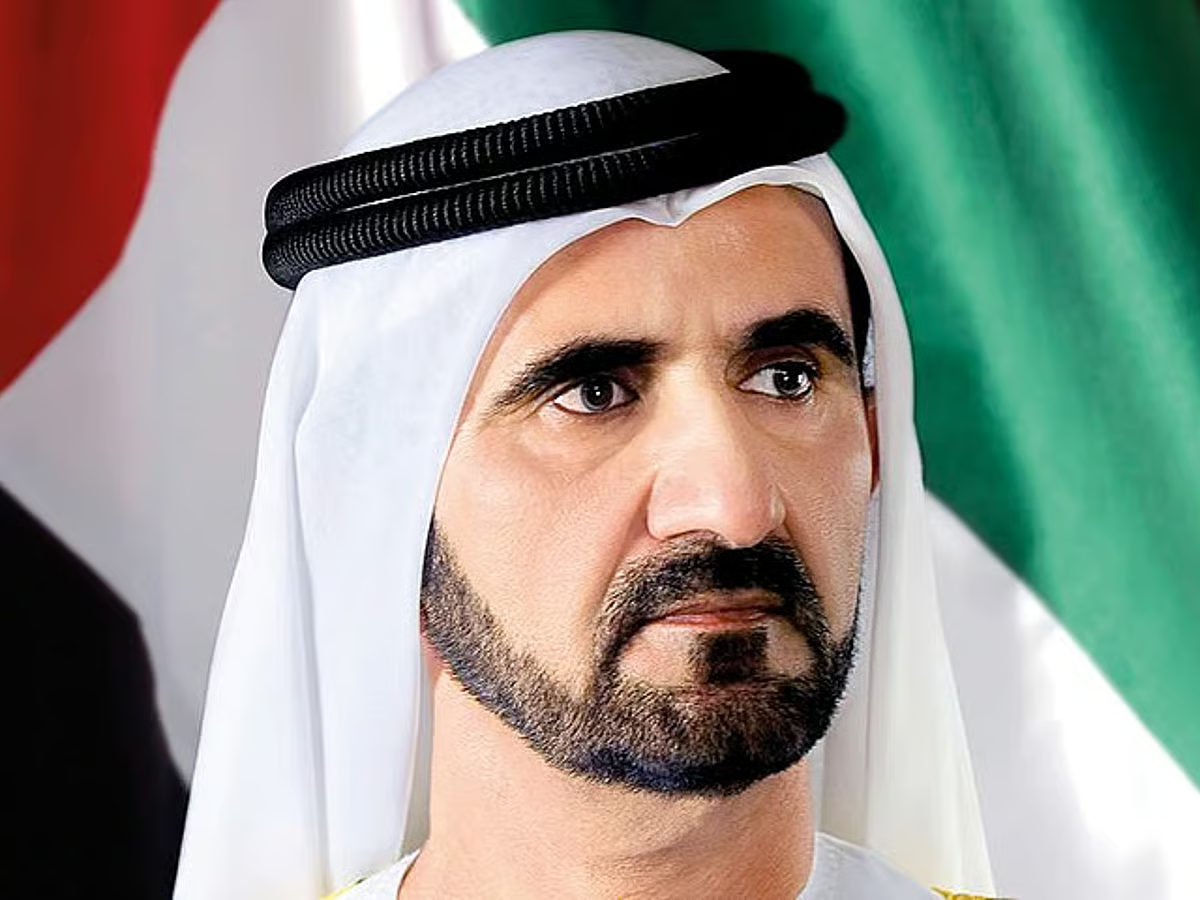

The United Arab Emirates (UAE) is experiencing increased international recognition and economic confidence, according to recent statements from Sheikh Mohammed bin Rashid Al Maktoum, the Ruler of Dubai. The Sheikh’s comments, posted on his X account (formerly Twitter) on November 26, 2023, highlight the growing global influence of the UAE and the strengthening perception of its development model. This positive outlook is expected to further bolster UAE investment and its position as a key player on the world stage.
Sheikh Mohammed attributed this progress to the leadership of his brother, President Mohamed bin Zayed Al Nahyan, and emphasized the UAE’s achievements over the past five decades. The statements come as the UAE continues to diversify its economy, expand its diplomatic ties, and host major international events. This increased visibility is contributing to a more favorable climate for foreign relations and economic partnerships.
The Rising Tide of UAE Investment and Global Confidence
The Sheikh’s assertion of growing international confidence aligns with recent economic data and reports. The UAE has consistently attracted foreign direct investment (FDI), particularly in sectors like technology, renewable energy, and tourism. According to the Ministry of Investment, FDI inflows increased by 10% in the first half of 2023 compared to the same period last year.
This growth is not solely attributable to oil wealth, despite its continued importance. The UAE has actively pursued economic diversification strategies, investing heavily in non-oil sectors to reduce its reliance on hydrocarbons. This proactive approach has created new opportunities for both domestic and international investors.
Key Drivers of Economic Growth
Several factors are contributing to the UAE’s economic success. These include:
Strategic Location: The UAE’s geographic position at the crossroads of Europe, Asia, and Africa makes it a vital trade and logistics hub. This facilitates international commerce and attracts businesses seeking access to diverse markets.
Business-Friendly Environment: The UAE has implemented numerous reforms to streamline business regulations, reduce bureaucratic hurdles, and offer attractive incentives to foreign investors. These include free zones with 100% foreign ownership and tax benefits.
Infrastructure Development: The country has invested significantly in world-class infrastructure, including airports, seaports, roads, and telecommunications networks. This robust infrastructure supports economic activity and enhances the UAE’s competitiveness.
However, the global economic landscape presents challenges. Fluctuations in oil prices, geopolitical tensions, and increasing competition from other regional economies could potentially impact the UAE’s growth trajectory. The country is actively working to mitigate these risks through diversification and strategic partnerships.
The UAE’s diplomatic efforts are also playing a crucial role in enhancing its global standing. The country has been actively involved in mediating regional conflicts and promoting peace and stability. This has earned it respect and trust on the international stage, fostering stronger relationships with key partners.
Additionally, the UAE’s commitment to sustainability and renewable energy is gaining recognition. The country is investing heavily in solar, wind, and nuclear energy projects, aiming to reduce its carbon footprint and become a leader in the green economy. This aligns with global efforts to combat climate change and attracts environmentally conscious investors.
The hosting of major international events, such as the COP28 climate conference scheduled for November 30 – December 12, 2023, further elevates the UAE’s profile. These events provide a platform to showcase the country’s capabilities, attract visitors, and promote its agenda on global issues. The success of Expo 2020 Dubai, despite pandemic-related disruptions, demonstrated the UAE’s ability to organize and host large-scale events effectively.
The UAE’s development model, characterized by a combination of economic liberalization, social progress, and political stability, is increasingly seen as a viable alternative to traditional approaches. This model has attracted attention from other countries in the region and beyond, seeking to learn from the UAE’s experience. The focus on innovation, technology, and human capital development is also contributing to its success.
The increasing foreign investment into the UAE is also impacting sectors beyond the traditional oil and gas industry. Real estate, financial services, and technology are all experiencing significant growth, driven by both domestic and international demand. This diversification is creating a more resilient and sustainable economy.
Furthermore, the UAE’s proactive approach to digital transformation is attracting tech companies and talent. The country is investing in artificial intelligence, blockchain, and other emerging technologies, aiming to become a global hub for innovation. This is supported by a favorable regulatory environment and a skilled workforce. The government’s focus on smart city initiatives is also driving demand for technology solutions.
In contrast to some regional economies facing instability, the UAE offers a secure and predictable investment climate. This is a key factor attracting long-term investors seeking stable returns. The country’s strong legal framework and commitment to protecting investor rights further enhance its appeal. This stability is particularly important in the current geopolitical climate.
The UAE’s sovereign wealth funds, such as the Abu Dhabi Investment Authority (ADIA) and the Investment Corporation of Dubai (ICD), are also playing a significant role in driving economic development. These funds invest globally across a wide range of asset classes, generating returns that contribute to the UAE’s long-term prosperity. They also serve as a catalyst for attracting further international capital.
Looking ahead, the UAE is expected to continue its pursuit of economic diversification and global integration. The country’s leadership has set ambitious goals for the future, including becoming a top 10 global economy by 2031. Achieving these goals will require sustained investment, innovation, and a commitment to sustainable development. The ongoing implementation of the “We the UAE 2031” vision will be a key indicator of progress. Monitoring the impact of global economic trends and geopolitical events on the UAE’s economy will also be crucial.
The next major event to watch is the outcome of COP28, which will provide insights into the UAE’s commitment to climate action and its potential to attract further investment in renewable energy. Any significant policy changes or economic announcements made during or after the conference could have a substantial impact on the country’s future growth prospects.