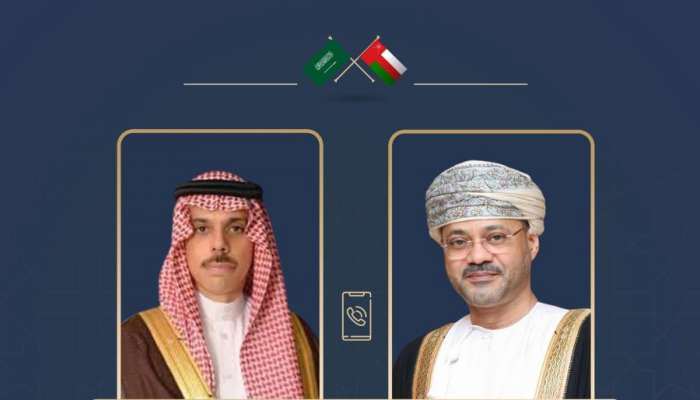

Recent diplomatic efforts by Oman highlight the nation’s commitment to regional stability and collaboration. Foreign Minister Sayyid Badr bin Hamad Al Busaidi has been actively engaged in discussions with key counterparts from Saudi Arabia and Jordan, focusing on pressing regional developments and shared interests. These conversations underscore Oman’s role as a mediator and advocate for peaceful resolutions in a complex geopolitical landscape.
Oman’s Diplomatic Push for Regional Stability
Oman has long maintained a policy of neutrality and constructive engagement in regional affairs, positioning itself as a vital bridge between differing viewpoints. The recent telephone calls initiated by Foreign Minister Al Busaidi with officials from Saudi Arabia and Jordan are a continuation of this established approach. These dialogues are particularly crucial given the current volatile situation in the Middle East, marked by ongoing conflicts and escalating tensions.
Discussion with Saudi Arabian Counterpart
The call with Faisal bin Farhan Al Saud, Minister of Foreign Affairs of the Kingdom of Saudi Arabia, centered on a broad range of regional developments. While specific details of the conversation weren’t publicly disclosed, it’s understood that the ministers exchanged views on issues of mutual interest, likely including the situation in Yemen, broader efforts to de-escalate conflicts, and economic cooperation. Saudi Arabia remains a key partner for Oman within the Gulf Cooperation Council (GCC), making this communication particularly significant.
Engaging with Jordan on Shared Challenges
Similarly, Foreign Minister Al Busaidi spoke with Ayman Safadi, Deputy Prime Minister and Minister of Foreign Affairs and Expatriates of Jordan. This conversation delved into shared issues and challenges facing the region, with a strong emphasis on upholding international law. Both Oman and Jordan share a commitment to finding diplomatic solutions and promoting a rules-based international order. The discussion also explored ways to strengthen regional security and stability, acknowledging the interconnectedness of challenges faced by both nations.
Focus on International Law and Security
A recurring theme in both telephone calls was the importance of adhering to international law as a cornerstone of any lasting resolution to regional conflicts. Oman consistently advocates for peaceful dialogue and respect for national sovereignty. This stance is particularly relevant in light of recent events that have raised concerns about violations of international norms.
The ministers also emphasized the need for collaborative efforts to bolster regional security. This includes addressing issues such as terrorism, maritime security, and cybersecurity, which pose threats to all countries in the region. Oman’s strategic location and its commitment to maintaining open communication channels make it a valuable partner in these endeavors. Furthermore, the discussions likely touched upon the importance of inclusive governance and addressing the root causes of instability.
Oman’s Role as a Regional Mediator
Oman has a proven track record of successful mediation in regional disputes. Its neutral stance and willingness to engage with all parties involved have earned it the trust of various actors. The recent diplomatic outreach by Foreign Minister Al Busaidi reinforces this role and signals Oman’s proactive approach to addressing emerging challenges.
However, the path to lasting peace and stability is complex and requires sustained effort. Oman recognizes that no single nation can resolve these issues alone and actively promotes multilateral cooperation. The country’s “good offices” have been instrumental in facilitating talks and securing the release of hostages in the past, demonstrating its commitment to peaceful conflict resolution.
The Importance of Continued Dialogue
These telephone calls represent a vital step in fostering greater understanding and cooperation among regional stakeholders. Maintaining open lines of communication is crucial, especially during times of heightened tension. The focus on regional developments and shared challenges allows for a frank and constructive exchange of views, paving the way for potential collaborative solutions.
Additionally, Oman’s emphasis on international law provides a framework for addressing disputes in a fair and equitable manner. By upholding these principles, Oman aims to contribute to a more stable and predictable regional order. The ongoing dialogue between Foreign Minister Al Busaidi and his counterparts demonstrates Oman’s unwavering commitment to peace and prosperity in the Middle East.
The continued engagement of Oman in these diplomatic efforts is a positive sign for the region. It underscores the importance of dialogue, cooperation, and respect for international law in addressing the complex challenges facing the Middle East. Readers interested in learning more about Oman’s foreign policy and its role in regional affairs are encouraged to explore official government resources and reputable news outlets. Further analysis of these regional developments will be crucial in understanding the evolving geopolitical landscape.