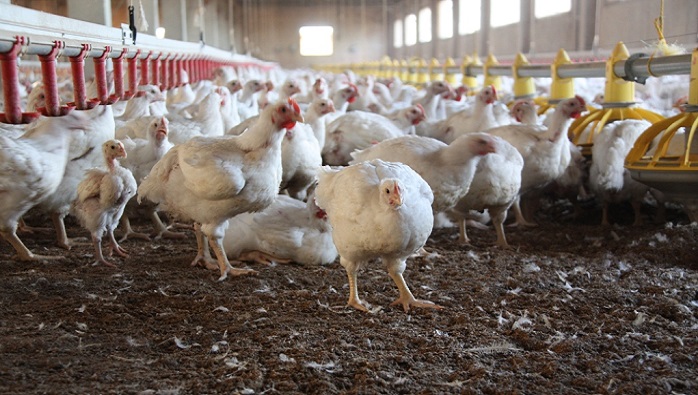

Oman has implemented a ban on the import of live birds and poultry products originating from the Indian state of Kerala, a decision made by the Ministry of Agriculture, Fisheries and Water Resources (MAFWR) due to escalating poultry health concerns. This measure, effective immediately, aims to safeguard Oman’s domestic bird population and prevent the potential spread of diseases. The ban underscores the importance of proactive veterinary oversight in international trade and highlights the ongoing risks associated with avian diseases.
Oman Bans Poultry Imports from Kerala: A Detailed Overview
The Ministry of Agriculture, Fisheries and Water Resources (MAFWR) in Oman has issued a formal decision prohibiting the import of live birds, along with all related poultry products, from Kerala, India. This action follows a thorough assessment of the animal health situation in Kerala by the competent veterinary authority, which subsequently recommended the import restriction to the ministry. The decision reflects Oman’s commitment to maintaining a robust biosecurity framework for its agricultural sector, particularly concerning avian populations.
The Scope of the Import Ban
The ban is comprehensive, covering not only live birds themselves but also a wide range of poultry-related items. This includes all poultry products, derivatives, and even waste materials originating from Kerala. The intention is to create a complete barrier against potential disease introduction. The MAFWR has been clear that this restriction will remain in effect until the identified risks are demonstrably eliminated and a subsequent decision is made to lift the ban. This demonstrates a cautious and science-based approach to protecting Oman’s agricultural assets.
Underlying Veterinary Health Concerns
While the specific disease prompting the ban hasn’t been explicitly stated in all reports, the MAFWR cited general poultry health concerns as the primary driver for the decision. Kerala has, in recent years, experienced outbreaks of various avian diseases, including avian influenza (bird flu). These outbreaks pose a significant threat to poultry farming and can have broader implications for public health. Oman’s swift response is intended to prevent a similar situation from developing within its borders. The ministry is likely monitoring the situation in Kerala closely, awaiting confirmation of disease eradication before reconsidering the import restrictions.
Exceptions to the Ban: Processed Poultry Products
Despite the broad scope of the import ban, the MAFWR has clarified that certain poultry products are exempt. Specifically, the restriction does not apply to poultry products that have undergone thorough treatment or thermal processing. This exemption is based on the guidelines outlined in the Terrestrial Animal Health Code established by the World Organisation for Animal Health (WOAH), formerly known as the OIE.
WOAH Standards and Safe Imports
The WOAH’s Terrestrial Animal Health Code provides internationally recognized standards for animal health and welfare, including guidelines for the safe processing of poultry products. Thermal processing, such as cooking or pasteurization, effectively eliminates the risk of disease transmission. Therefore, poultry products meeting these stringent standards are considered safe for import, even from regions experiencing avian disease outbreaks. This allows for continued trade in processed poultry products while safeguarding animal health. The adherence to WOAH standards is a crucial aspect of international food safety and trade.
Impact and Future Outlook for Poultry Trade
This ban will undoubtedly impact the trade of live birds and unprocessed poultry products between Kerala and Oman. Kerala is a significant exporter of poultry to several countries in the Gulf region, and Oman represents a key market. The duration of the ban remains uncertain, dependent on the resolution of the poultry health concerns in Kerala.
For Omani consumers, the ban may lead to temporary fluctuations in the availability and price of certain fresh poultry items. However, the exemption for processed products should mitigate any significant disruptions to the overall supply. The Ministry of Agriculture, Fisheries and Water Resources is likely to continue monitoring the situation closely and will provide updates as they become available.
Additionally, this situation highlights the importance of diversifying import sources for poultry products to ensure a stable supply chain. Oman may explore alternative suppliers to reduce its reliance on Kerala in the long term.
Conclusion
The decision by the Omani Ministry of Agriculture, Fisheries and Water Resources to ban poultry imports from Kerala is a proactive measure designed to protect the nation’s avian population from potential disease outbreaks. While the ban impacts the trade of live birds and unprocessed poultry, the exemption for thermally processed products ensures continued access to safe and reliable food sources. The situation underscores the critical role of international veterinary standards, such as those set by WOAH, in facilitating safe trade and safeguarding animal health. Stay informed about updates on this ban and other agricultural trade regulations by visiting the MAFWR website and following relevant news sources.