




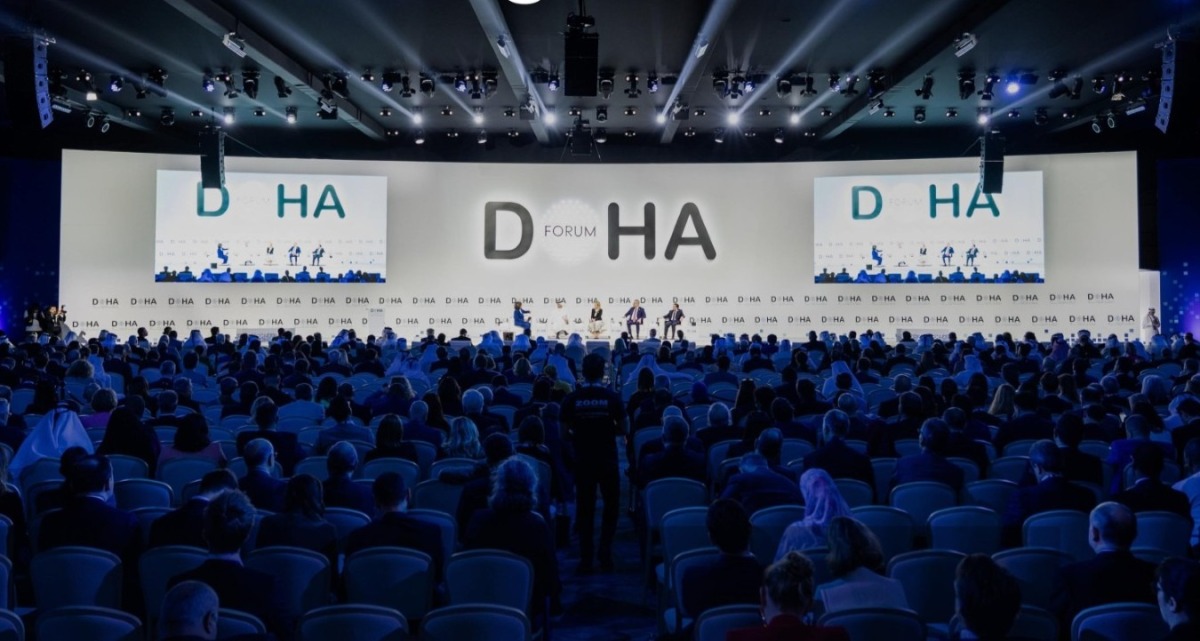

The Doha Forum, a prominent international platform for dialogue, has announced its theme for the 2026 edition: “Redefining Global Trust.” This announcement was made during a panel discussion co-hosted with Foreign Policy at the World Economic Forum Annual Meeting in Davos, Switzerland. The 24th Doha Forum is scheduled to take place in Doha in December 2026, bringing together global leaders to address challenges to international cooperation and explore new avenues for building trust.
The forum aims to convene policymakers, experts, and practitioners from around the world to examine the evolving nature of trust in a complex geopolitical landscape. Discussions will focus on the roles of diplomacy, mediation, and robust institutions in fostering stability and collaboration. The event is expected to draw significant attention to Qatar’s role in international diplomacy.
The Growing Need to Redefine Global Trust
The selection of “Redefining Global Trust” as the central theme reflects a growing concern about the erosion of confidence in international systems and institutions. According to the Doha Forum, traditional assumptions about global cooperation are no longer sufficient in addressing contemporary challenges like climate change, economic inequality, and geopolitical conflicts. This necessitates a reevaluation of how trust is established and maintained on a global scale.
Executive Director of Doha Forum, HE Mubarak Ajlan Al Kuwari, emphasized the urgency of this reassessment. He stated that trust cannot be passively inherited but must be actively cultivated through inclusive dialogue and demonstrable results. This sentiment underscores a shift towards a more pragmatic and accountable approach to international relations.
Challenges to International Cooperation
Several factors contribute to the current crisis of trust. Rising nationalism and populism in various countries have led to a questioning of multilateralism and a preference for unilateral action. Additionally, the spread of misinformation and disinformation through social media platforms has eroded public confidence in traditional sources of information and authority.
Geopolitical tensions, such as the ongoing conflicts in Ukraine and the Middle East, further exacerbate these challenges. These conflicts highlight the limitations of existing diplomatic mechanisms and the difficulty of achieving consensus on critical issues. The increasing influence of non-state actors, including multinational corporations and NGOs, also adds complexity to the global governance landscape.
Focus on Diplomacy and Inclusive Dialogue
The Doha Forum has long been a proponent of diplomacy and peaceful conflict resolution. The 2026 edition will build on this legacy by providing a platform for open and constructive dialogue among diverse stakeholders. General Manager Maha Al Kuwari noted the forum’s commitment to fostering accountability and responsible leadership as key components of rebuilding trust.
The forum’s approach emphasizes the importance of inclusivity, ensuring that voices from all regions and sectors are heard. This is particularly crucial in addressing issues that disproportionately affect vulnerable populations. Furthermore, the focus on “tangible outcomes” suggests a desire to move beyond rhetoric and towards concrete actions that can demonstrate the benefits of international cooperation. The concept of global risks will likely be a key component of the discussions.
The announcement comes as Qatar continues to position itself as a key mediator in regional and international disputes. The country has played a significant role in facilitating negotiations between conflicting parties, most notably in the ongoing efforts to secure a ceasefire in Gaza. This proactive engagement in diplomacy aligns with the theme of “Redefining Global Trust” and reinforces Qatar’s commitment to multilateralism.
Looking ahead, the success of the Doha Forum 2026 will depend on its ability to attract high-level participation and generate meaningful outcomes. The forum’s organizers are expected to release a detailed agenda and list of confirmed speakers in the coming months. Observers will be watching to see how the forum addresses the specific challenges to international cooperation and whether it can contribute to a more trust-based global order. The evolving geopolitical situation and potential for further disruptions remain key uncertainties.
The forum also aims to promote discussion around global economic governance and its impact on international relations.
Finally, the role of international organizations in rebuilding trust will be a central theme, with discussions likely focusing on reforms needed to enhance their effectiveness and legitimacy.