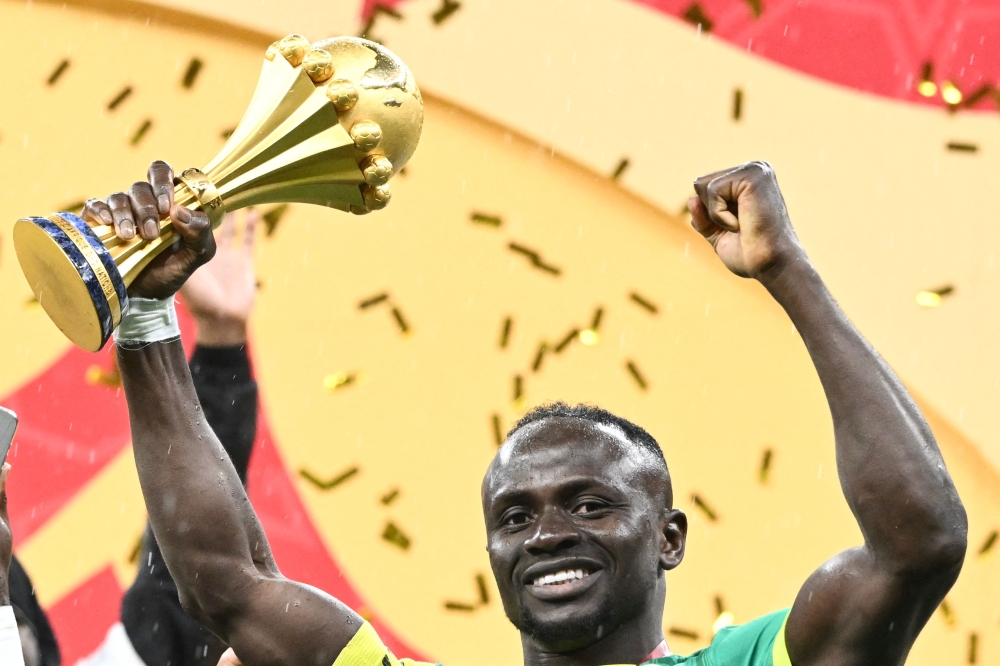

Senegal secured their second consecutive title at the 2025 Africa Cup of Nations (AFCON), defeating hosts Morocco 1-0 in extra time at the Prince Moulay Abdellah Stadium in Rabat on January 18th. The victory sparked celebrations across Senegal and ignited debate surrounding the tournament’s future, particularly regarding the frequency of the AFCON competition. This win cements Senegal’s position as a dominant force in African football.
The final was a tightly contested affair, with both teams creating chances throughout the match. Ultimately, a goal in extra time proved decisive, handing Senegal the trophy and denying Morocco a historic win on home soil. The tournament as a whole saw several upsets and compelling narratives, drawing attention from football fans worldwide.
Debate Surrounds the Future of the Africa Cup of Nations
Following the conclusion of the 2025 tournament, a significant discussion emerged regarding the Confederation of African Football’s (CAF) decision to move the AFCON to a four-year cycle starting in 2028. Previously held every two years, the change aims to align the competition with other major international tournaments and potentially enhance its quality and global appeal. However, the decision has been met with mixed reactions.
CAF President Patrice Motsepe defended the change, stating that the decision was made independently, rejecting claims of influence from FIFA or European clubs. He emphasized the need for African football to assert its autonomy and make decisions based on its own interests. “We have to free ourselves as Africans and not think whenever we take a decision it is because FIFA says this or Europe says this,” Motsepe said.
Mixed Reactions from Players and Coaches
The shift in scheduling has drawn criticism from some within the football community. Mali coach Tom Saintfiet described the change as “catastrophic,” while veteran AFCON-winning coach Claude Le Roy called it a “distressing mistake.” These concerns center around the potential loss of competitive opportunities for national teams and the impact on the tournament’s cultural significance.
Conversely, Morocco captain Achraf Hakimi expressed support for the four-year cycle, believing it will generate more excitement and attract greater participation. “AFCON every four years is very good, there will be more hype, more desire to come and play,” Hakimi stated. Senegal star Sadio Mane, after leading his team to victory, acknowledged the difficulty of winning the AFCON, stating, “The AFCON is the most difficult competition in the world to win. We have won it again.”
Beyond the scheduling debate, the tournament also saw commentary on various logistical and competitive aspects. South Africa coach Hugo Broos noted a perceived lack of the vibrant atmosphere present at the previous AFCON in Ivory Coast, while also voicing concerns about the distance between his team’s training ground and hotel. Egyptian football icon Mohamed Aboutrika criticized Broos’s comments as “arrogant and irritating.”
Security concerns were also raised by Senegal coach Pape Thiaw, who criticized the arrangements surrounding his team’s arrival in Rabat for the final, stating, “What happened was unacceptable. Getting off the train and facing a crowd. The players were in danger.” The incident prompted questions about the safety protocols in place for participating teams.
Several coaches highlighted the challenges faced by their teams. Miguel Gamondi, coach of Tanzania, expressed his desire to change the perception of his team as underdogs, while Democratic Republic of Congo coach Sebastien Desabre wryly observed that blame falls on the coach when a team loses, but credit goes to the players when they win. The tournament also provided a platform for players like Sudan captain Bakhit Khamis to emphasize the unifying power of football in times of national crisis.
The 2025 AFCON concluded with Senegal’s triumph, but the discussions surrounding the tournament’s future are likely to continue. CAF is expected to further elaborate on the logistical and organizational plans for the 2028 edition, addressing concerns raised by stakeholders. The impact of the four-year cycle on the competition’s quality, fan engagement, and overall development remains to be seen, and will be a key area of focus in the coming years. The next steps involve detailed planning for the qualifying stages and host selection for the 2028 tournament, with CAF aiming to build on the successes and address the shortcomings of the recent event.