






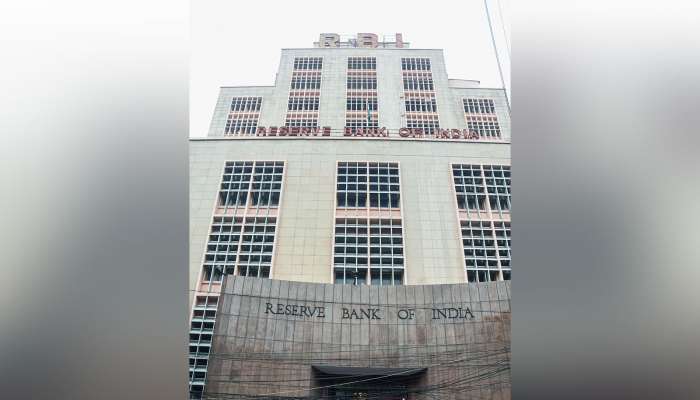

India’s foreign exchange reserves experienced a slight increase in early January, offering a snapshot of the nation’s financial stability amidst global economic fluctuations. The Reserve Bank of India (RBI) reported a rise of $392 million for the week ending January 9th, bringing the total to $687.193 billion. This marginal uptick follows a more significant decline in the preceding week and highlights the dynamic nature of India’s forex holdings. Understanding these reserves is crucial for gauging India’s ability to weather external economic shocks and manage its currency.
Understanding India’s Foreign Exchange Reserves
Foreign exchange reserves are essentially the financial safety net of a nation. They consist of assets held by the central bank – in India’s case, the RBI – in various currencies, primarily the US dollar, but also including the Euro, Japanese Yen, and Pound Sterling. These reserves serve several key purposes, including facilitating international trade, managing the exchange rate, and providing a buffer against unforeseen economic crises.
The composition of these reserves is also important. While the overall figure provides a general indication of strength, the breakdown reveals specific trends. For the week ending January 9th, the RBI data showed a nuanced picture.
Breakdown of the Reserves
The largest component of India’s foreign exchange reserves is its foreign currency assets (FCA). However, these assets decreased by $1.124 billion, settling at $550.866 billion. This decline suggests potential intervention by the RBI in the foreign exchange market, likely to manage the value of the Indian Rupee.
Conversely, gold reserves saw a substantial increase of $1.568 billion, reaching $112.830 billion. This jump is likely linked to the rising global price of gold, often considered a safe-haven asset during times of geopolitical and economic uncertainty. Investors tend to flock to gold when other markets appear volatile, driving up its value and, consequently, the value of India’s gold holdings within its reserves. This diversification into gold is a strategic move, bolstering the overall resilience of the country’s financial position.
Recent Trends and Historical Context
The recent movement in India’s foreign exchange reserves is part of a broader trend. Over the past few weeks, the reserves have generally been on an upward trajectory, though not without occasional dips. Currently, the reserves are hovering near their all-time high of $704.89 billion, achieved in September 2024.
Looking further back, the data reveals a compelling story:
- 2023: India witnessed a significant addition of approximately $58 billion to its reserves.
- 2024: Growth was more moderate, with reserves increasing by just over $20 billion.
- 2025 (Year-to-date): An increase of around $56 billion has already been recorded.
- 2022: A contrasting year, experiencing a cumulative decline of $71 billion.
These fluctuations demonstrate the impact of global events, trade dynamics, and the RBI’s intervention policies on India’s external financial position. The consistent growth in recent years, particularly the substantial increase in 2023 and continuing into 2025, signals a strengthening economic outlook.
RBI’s Role and External Sector Resilience
The Reserve Bank of India plays a pivotal role in managing these foreign exchange reserves. The RBI actively intervenes in the foreign exchange market to maintain stability and prevent excessive volatility in the Rupee’s value. It strategically buys dollars when the Rupee is strong, adding to the reserves, and sells dollars when the Rupee weakens, releasing reserves to support the currency.
Following the monetary policy review in December, the RBI expressed confidence in the adequacy of India’s reserves. They stated that the current holdings are sufficient to cover more than 11 months of merchandise imports. This is a crucial indicator of a country’s ability to meet its international obligations and withstand external shocks.
Furthermore, the RBI emphasizes the overall resilience of India’s external sector. This resilience is built on a foundation of strong economic growth, a diversified export base, and a healthy balance of payments. The ability to comfortably meet external financing requirements is a testament to the effectiveness of India’s economic policies and the prudent management of its foreign exchange reserves. The country’s balance of payments has been relatively stable, contributing to the accumulation of these reserves.
Implications and Future Outlook
The current level of India’s foreign exchange reserves provides a significant degree of comfort and flexibility. It allows the country to navigate global economic uncertainties with greater confidence and supports sustainable economic growth. The increasing gold reserves also offer a hedge against potential inflationary pressures and geopolitical risks.
Looking ahead, the future trajectory of India’s reserves will depend on a variety of factors, including global economic conditions, commodity prices (particularly gold), and the performance of the Indian economy. Continued prudent management by the RBI, coupled with a favorable external environment, is likely to ensure that India maintains a strong and resilient external financial position. Monitoring the FCA and gold holdings will be key to understanding the evolving dynamics of India’s reserves.
In conclusion, the recent marginal increase in India’s foreign exchange reserves, driven by a rise in gold holdings, underscores the nation’s commitment to financial stability. While fluctuations are expected, the overall trend remains positive, reflecting a resilient external sector and the effective management of these crucial assets by the RBI. Staying informed about these developments is vital for investors, policymakers, and anyone interested in the health of the Indian economy.