





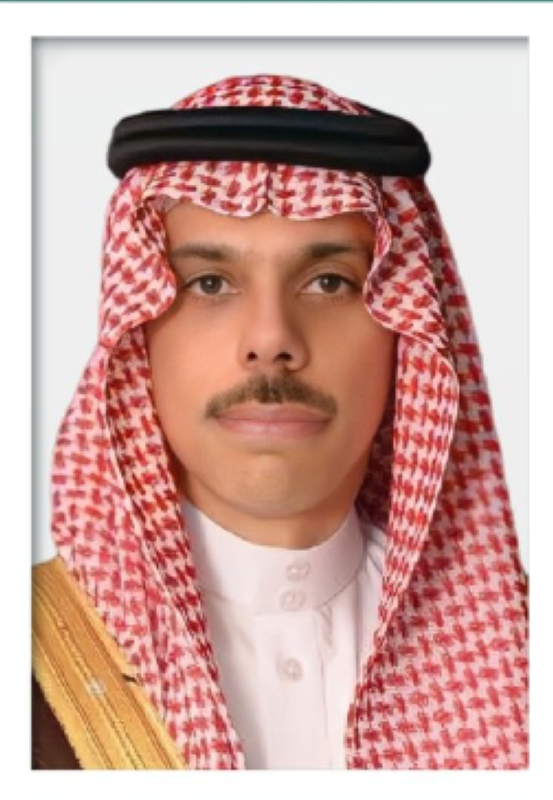

Saudi Minister of Foreign Affairs Prince Faisal bin Farhan engaged in a flurry of diplomatic activity on Saturday, holding telephone conversations with counterparts from Iraq, Spain, Jordan, and Türkiye. The discussions centered on pressing regional developments and areas of mutual concern, signaling a continued Saudi effort to mediate and stabilize the Middle East. These talks underscore the Kingdom’s proactive role in addressing escalating tensions and fostering collaboration with key international partners.
The calls, which took place on November 18, 2023, involved conversations with Fuad Hussein of Iraq, José Manuel Albares of Spain, Ayman Safadi of Jordan, and Hakan Fidan of Türkiye. According to the Saudi Ministry of Foreign Affairs, the ministers reviewed bilateral relationships and exchanged perspectives on the evolving geopolitical landscape. The timing of these discussions is particularly noteworthy given ongoing conflicts and instability in the broader region.
Saudi Arabia Focuses on Regional Developments
The primary focus of these diplomatic engagements appears to be the ongoing conflict between Israel and Hamas, and its potential for wider escalation. While specific details of the conversations were not released, the Saudi government has consistently called for a de-escalation of violence and a return to negotiations. The Kingdom has also been a vocal advocate for a two-state solution to the Israeli-Palestinian conflict, a position reiterated in recent statements.
Strengthening Bilateral Ties
Alongside discussions on regional security, the calls also served to reinforce existing bilateral relationships. Prince Faisal and José Manuel Albares discussed Saudi-Spanish relations, highlighting areas of cooperation and potential for future collaboration. This suggests a continued commitment to strengthening economic and political ties with European partners. Similarly, the conversation with Fuad Hussein focused on deepening Saudi-Iraqi relations, which have seen significant improvement in recent years.
However, the situation in Iraq remains complex, with ongoing concerns about political instability and the presence of non-state actors. Saudi Arabia has been working to normalize relations with Iraq and promote economic investment, viewing a stable Iraq as crucial for regional security. The ministry indicated that both ministers reviewed progress on these fronts.
Coordination with Key Regional Players
The calls with Jordanian and Turkish officials underscore Saudi Arabia’s efforts to coordinate with key regional players. Jordan shares a border with both Israel and the West Bank, making it a vital partner in efforts to de-escalate tensions and prevent further conflict. Ayman Safadi and Prince Faisal discussed joint efforts to enhance security and stability, suggesting a collaborative approach to managing the crisis.
Meanwhile, Türkiye’s role as a regional power and its complex relationship with both Israel and Hamas make it an important interlocutor. The discussion with Hakan Fidan likely focused on exploring potential avenues for mediation and preventing the conflict from spreading. Türkiye has also been actively involved in humanitarian efforts related to the crisis in Gaza. The Saudi-Turkish relationship has seen a recent thaw after years of strained ties, making this dialogue particularly significant.
Additionally, Saudi Arabia is navigating a delicate balance between its strategic partnerships with the United States and its growing relationships with countries like China and Russia. The Kingdom has sought to maintain a neutral stance on the Ukraine war, for example, while continuing to cooperate with Western powers on counterterrorism efforts. This multi-faceted approach to foreign policy is characteristic of Saudi Arabia’s current diplomatic strategy.
In contrast to previous periods of regional crisis, Saudi Arabia appears to be taking a more proactive and central role in diplomatic efforts. This shift reflects the Kingdom’s growing economic and political influence, as well as its desire to shape the future of the Middle East. The ongoing regional developments necessitate a coordinated response, and Saudi Arabia is positioning itself as a key facilitator.
The Saudi government’s emphasis on dialogue and de-escalation aligns with its broader foreign policy objectives, which prioritize stability and economic development. The Kingdom is also keen to protect its own interests, including its energy security and its role as a leading investor in the region. These diplomatic efforts are therefore driven by a combination of strategic considerations and humanitarian concerns.
Looking ahead, further diplomatic engagements are expected as the situation in the region remains fluid. The next key event to watch will be the outcome of ongoing negotiations regarding a potential ceasefire in Gaza. The success of these negotiations will likely depend on the willingness of all parties to compromise and address the underlying causes of the conflict. The Kingdom will likely continue its intensive regional diplomacy, seeking to build consensus and prevent further escalation. The effectiveness of these efforts remains uncertain, but Saudi Arabia’s commitment to a peaceful resolution is clear.