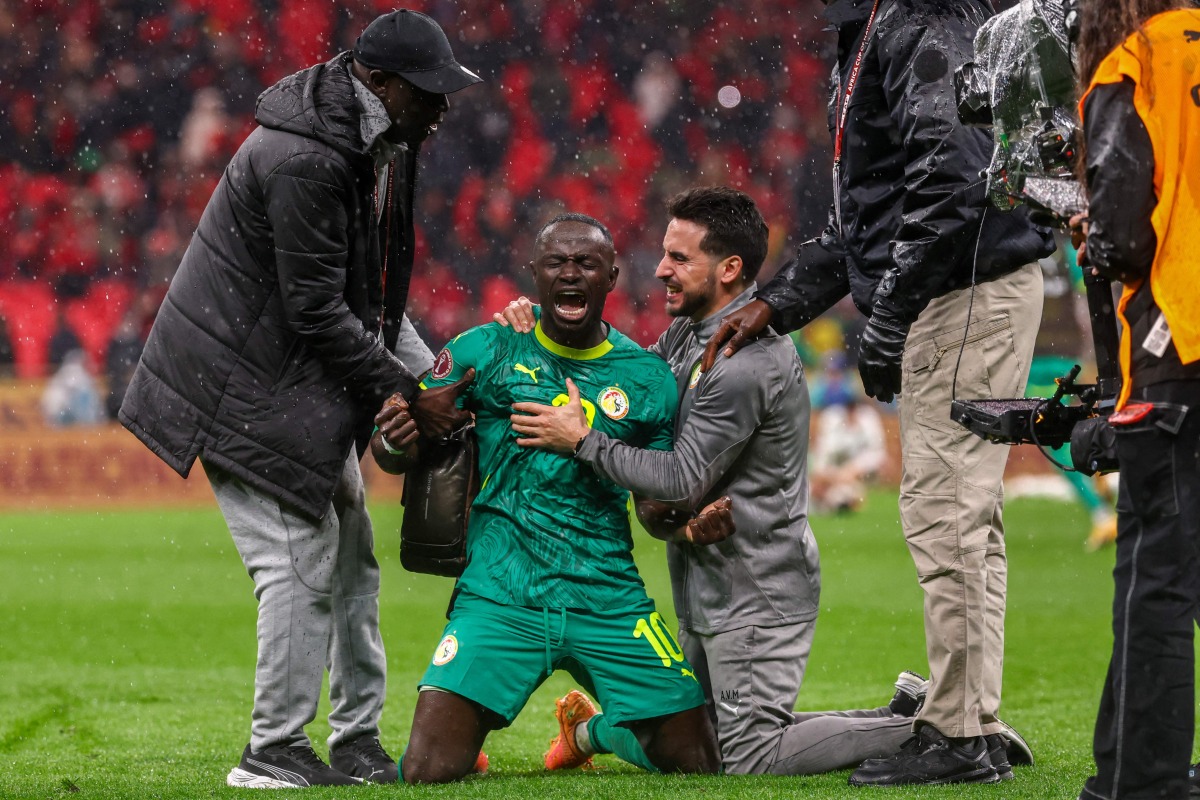

Senegal claimed victory in the Africa Cup of Nations final on Sunday, defeating host nation Morocco 1-0 in extra time. The match, held at the Prince Moulay Abdellah Stadium in Rabat, was punctuated by controversy and a lengthy delay following a disputed penalty decision. Pape Gueye scored the decisive goal, securing Senegal’s second continental title and marking a dramatic end to the tournament.
The highly anticipated final took place on January 18, 2026, culminating weeks of competition across the continent. The game remained scoreless through 90 minutes of play, despite chances for both sides. A late penalty awarded to Morocco sparked outrage and led to significant disruptions, ultimately setting the stage for Gueye’s winning strike in the extra period.
Senegal’s Africa Cup of Nations Triumph Amidst Controversy
The contentious penalty call in the dying moments of regulation time overshadowed much of the on-field action. Moroccan players and fans vehemently protested the decision, believing the contact within the penalty area was minimal and not worthy of a spot-kick. Several Senegalese players visibly expressed their disagreement with the call and briefly left the pitch in protest.
Following a delay of nearly 20 minutes, the game resumed with Brahim Diaz stepping up to take the penalty. However, Senegal’s goalkeeper proved equal to the task, making a crucial save to keep the score level and force the match into extra time. This save proved pivotal in shifting the momentum towards the eventual champions.
Pape Gueye then capitalized on a Senegalese attack in the first half of extra time, scoring the only goal of the match. The goal ignited celebrations among the Senegalese players and supporters, but the earlier controversy continued to linger. Senegal then successfully defended their lead, securing the AFCON title.
Background to the Final
Senegal entered the final as favorites, boasting a strong squad led by forward Sadio Mané. They had navigated a challenging tournament, showcasing both defensive solidity and attacking flair. Morocco, benefiting from home advantage and a passionate fanbase, had also impressed throughout the competition, reaching the final on the back of solid performances.
This was not the first time the two nations had met in a major tournament final. In 2022, Senegal defeated Egypt in a penalty shootout to win their first Africa Cup of Nations title. The 2026 final presented Morocco with an opportunity for redemption on home soil, but they ultimately fell short.
The tournament itself has been lauded for its increased organization and competitiveness, with several emerging teams challenging the traditional powerhouses of African football. The Confederation of African Football (CAF) has invested heavily in infrastructure and development programs in recent years, aiming to elevate the standard of the game across the continent. The increased visibility of African players in European leagues has also contributed to the growing quality of national teams.
The incident surrounding the penalty has already sparked debate about the use of Video Assistant Referee (VAR) in African football. Critics argue that the technology is not consistently applied and that the quality of officiating needs improvement. CAF officials have stated they will review the incident and assess the performance of the refereeing team. CAF is expected to release a statement addressing the concerns raised.
Looking ahead, the focus will now shift to the qualification process for the next Africa Cup of Nations, scheduled for 2028. The location for the 2028 tournament has not yet been determined, and several nations are expected to submit bids. The performance of both Senegal and Morocco in future competitions will be closely watched, as will the ongoing efforts to improve the standard of officiating and infrastructure within African football. The long-term impact of the controversial final remains to be seen, but it undoubtedly adds another layer of complexity to the narrative of the AFCON.
The incident also raises questions about player conduct and the responsibility of national teams to maintain discipline in the face of perceived injustice. While the Senegalese players’ protest was understandable, their actions could potentially have led to further sanctions. The CAF disciplinary committee will likely investigate the events surrounding the penalty and determine whether any action needs to be taken against either team.