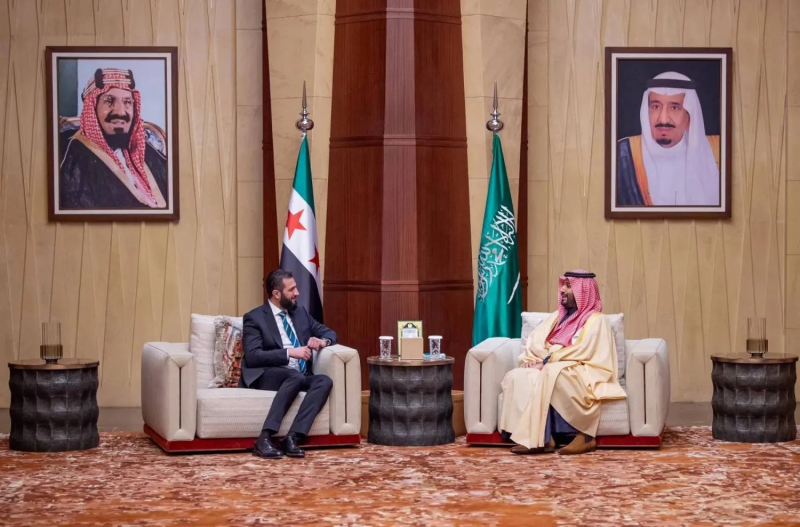

RIYADH — Saudi Crown Prince and Prime Minister Mohammed bin Salman spoke with Syrian President Bashar al-Assad on Sunday, marking a significant development in the ongoing efforts to normalize relations between the two countries. The phone call, which took place on April 21, 2024, focused on regional issues and potential avenues for strengthening Saudi-Syria relations. This communication signals a continued thaw in ties following a period of over a decade of estrangement.
The discussion, reported by Saudi state news agency SPA, covered a range of topics including current events in the Middle East and opportunities for increased cooperation. While specific details of the conversation were not disclosed, the call itself represents a notable step in the Kingdom’s diplomatic outreach to the Assad regime. This outreach is occurring amidst broader shifts in the regional political landscape.
The Resumption of Saudi-Syria Relations: A Historical Context
Saudi Arabia severed diplomatic ties with Syria in 2011, following the outbreak of the Syrian Civil War and the government’s violent crackdown on protests. The Kingdom was a strong supporter of rebel groups seeking to overthrow Assad’s government, viewing the regime as a key ally of Iran and a destabilizing force in the region. However, in recent years, Saudi Arabia has begun to reassess its approach to Syria.
This shift began in late 2022 with a series of diplomatic overtures, including the resumption of consular services. In March 2023, Saudi Arabia hosted Syrian Foreign Minister Faisal Mekdad, and in May 2023, Assad himself visited Jeddah, marking the first visit by a Syrian president to Saudi Arabia in over a decade. These meetings signaled a desire to re-establish communication and explore potential areas of cooperation, particularly regarding regional security and counter-terrorism efforts.
Key Areas of Discussion and Potential Cooperation
The phone call likely addressed several critical issues impacting the region. These include the ongoing conflict in Yemen, where Saudi Arabia has been leading a military coalition, and the broader efforts to de-escalate tensions with Iran. Syria shares a border with both countries, and its involvement – or lack thereof – can significantly influence these situations.
Additionally, the conversation likely touched upon the humanitarian crisis in Syria. While political reconciliation is underway, the country continues to grapple with widespread poverty, displacement, and a lack of essential services. Saudi Arabia has historically been a major provider of humanitarian aid to Syria, and the call may have explored ways to increase this assistance. The potential for Saudi investment in Syria’s reconstruction could also have been discussed, though significant political and economic hurdles remain.
The focus on “bilateral relations and opportunities to enhance them in various fields” suggests a willingness to move beyond purely political discussions. Potential areas for cooperation include trade, investment, and security. The Kingdom may be interested in leveraging Syria’s geographic location to facilitate trade routes and energy projects. Regional stability is a key priority for Saudi Arabia, and improved relations with Syria are seen as a contributing factor.
The timing of the call is also noteworthy. It comes as the Arab League has gradually moved to reintegrate Syria into the regional fold, despite ongoing concerns about human rights abuses and the lack of a comprehensive political settlement. This broader trend towards normalization appears to be influencing Saudi Arabia’s approach. The call also follows recent escalations in the region, including attacks on Israeli and coalition forces, highlighting the need for dialogue and de-escalation.
Some analysts suggest that Saudi Arabia’s engagement with Syria is part of a broader strategy to counter Iranian influence in the region. By bringing Syria back into the Arab fold, the Kingdom hopes to weaken the alliance between Damascus and Tehran. However, this remains a complex issue, as Syria’s dependence on Iranian support is significant. The geopolitical landscape of the Middle East is constantly evolving, and Saudi Arabia is adapting its policies accordingly.
In contrast to the previous decade, Saudi Arabia now appears to prioritize a pragmatic approach to Syria, focusing on areas of mutual interest and seeking to mitigate potential threats. This does not necessarily imply full endorsement of the Assad regime, but rather a recognition that isolating Syria is no longer a viable or effective strategy. The Kingdom’s actions are consistent with a broader trend towards dialogue and engagement in the region.
The call between the Crown Prince and President Assad underscores the ongoing efforts to rebuild diplomatic bridges. While challenges remain, the conversation represents a positive sign for future cooperation. The normalization process is expected to be gradual and will likely be contingent on continued progress towards a political resolution of the Syrian conflict and improvements in the human rights situation.
Looking ahead, further diplomatic engagements are anticipated. The next steps will likely involve continued discussions on specific areas of cooperation, such as counter-terrorism and border security. The possibility of resuming full diplomatic relations remains open, but is dependent on a number of factors, including the implementation of UN Security Council resolutions and the progress of political reforms in Syria. Monitoring the Kingdom’s continued engagement with the Assad regime and the broader regional response will be crucial in assessing the long-term implications of this evolving relationship. The future of Middle East policy may well be shaped by these developments.