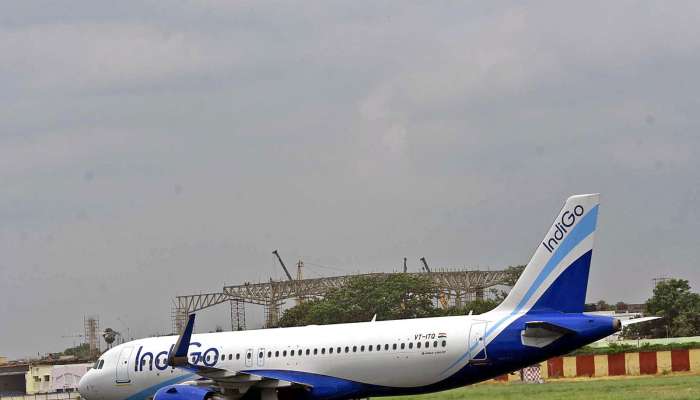

The Directorate General of Civil Aviation (DGCA) has levied substantial penalties totaling Rs 22.20 crore on IndiGo Airlines following significant disruptions to its flight schedule in early December 2025. These disruptions impacted over three lakh passengers nationwide, prompting a thorough investigation by the Ministry of Civil Aviation (MoCA) and ultimately leading to the DGCA’s decisive action. This incident highlights the critical importance of robust operational planning and adherence to safety regulations within the Indian aviation industry.
IndiGo Flight Disruptions: A Deep Dive into the DGCA Penalties
The crisis unfolded between December 3rd and 5th, 2025, with IndiGo cancelling a staggering 2,507 flights and delaying another 1,852. The sheer scale of the disruption demanded a comprehensive response, leading to the formation of a four-member DGCA committee tasked with identifying the root causes. The committee’s findings paint a picture of systemic issues within the airline’s operations.
Identifying the Root Causes of the Chaos
The investigation revealed that the primary drivers behind the widespread cancellations and delays were a combination of factors. Over-optimisation of operations, pushing schedules to their absolute limits, played a significant role. This was compounded by inadequate regulatory preparedness and deficiencies in the software systems supporting IndiGo’s flight operations. Crucially, the committee also identified shortcomings in the airline’s management structure and operational control.
Specifically, the inquiry found that IndiGo’s management failed to adequately anticipate potential problems, maintain sufficient operational buffers to absorb unexpected events, and effectively implement the revised Flight Duty Time Limitation (FDTL) provisions. The focus on maximizing crew and aircraft utilization, while seemingly efficient, ultimately compromised operational resilience.
The Impact of Crew Scheduling and Resource Allocation
The committee’s report detailed how crew rosters were designed to maximize duty periods, relying heavily on practices like dead-heading (transporting crew as passengers), tail swaps (changing aircraft mid-route), and extended duty patterns. These tactics, while potentially cost-effective, minimized recovery margins for crew, increasing fatigue risk and ultimately contributing to the operational breakdown. This aggressive approach significantly reduced roster buffer margins, leaving the airline vulnerable to even minor disruptions. The airline’s pursuit of efficiency, it seems, came at the expense of stability and safety.
DGCA’s Response: Penalties and Accountability
The DGCA’s response was multi-faceted, encompassing both financial penalties and individual accountability measures. Beyond the Rs 22.20 crore fine, the regulator took direct action against several senior officials at InterGlobe Aviation, IndiGo’s parent company.
Individual Accountability Measures
The airline’s CEO received a caution for inadequate oversight of operations and crisis management. Warnings were issued to the Chief Operating Officer and the Senior Vice President (Operations Control Centre). Furthermore, the SVP was directed to be relieved of their current operational responsibilities. Additional warnings were extended to senior officials responsible for flight operations, crew resource planning, and roster management. This demonstrates the DGCA’s commitment to holding individuals accountable for systemic failures.
Systemic Penalties and the ISRAS Scheme
A one-time systemic penalty of Rs 1.80 crore was imposed for multiple violations of Civil Aviation Requirements (CARs), specifically related to crew duty limits, operational control, and accountable management responsibilities. A further, substantial penalty of Rs 20.40 crore was levied for continued non-compliance with the revised FDTL provisions over a 68-day period (December 5, 2025, to February 10, 2026), calculated at a daily rate of Rs 30 lakh.
To ensure lasting improvements, the DGCA has also mandated that IndiGo furnish a Rs 50 crore bank guarantee under the newly instituted IndiGo Systemic Reform Assurance Scheme (ISRAS). The release of this guarantee will be phased, contingent upon DGCA-verified implementation of reforms across key areas including leadership and governance, manpower planning, fatigue risk management, digital systems, operational resilience, and board-level oversight. This airline safety measure is designed to drive fundamental change within the organization.
Passenger Relief and Future Outlook
While imposing significant penalties, the DGCA acknowledged that IndiGo swiftly restored normal operations. The airline also took steps to mitigate the impact on affected passengers, providing timely refunds, statutory compensation, and a ‘Gesture of Care’ voucher worth Rs 10,000, valid for 12 months. This proactive approach to passenger compensation was noted by the regulator.
The DGCA emphasized that these enforcement actions are intended to strengthen systemic resilience, safeguard aviation safety, and protect the interests of both passengers and aviation personnel. The regulator is also conducting an internal review to implement systemic improvements within the DGCA itself, aligning with the MoCA’s directives.
This incident serves as a crucial reminder of the delicate balance between operational efficiency and safety within the aviation industry. The DGCA’s decisive action against IndiGo sends a clear message: prioritizing short-term gains at the expense of robust operational planning and regulatory compliance will not be tolerated. The implementation of the ISRAS scheme will be closely watched as a potential model for ensuring systemic improvements across the Indian aviation sector.