
Ramadan 2026 is expected to bring a significant shift in daily routines for UAE residents, with a pronounced move towards later activity peaks and a reshaping of consumer behavior. New data suggests a “late-night economy” is solidifying, driven by shorter working hours and increased focus on religious observance. This trend is impacting everything from shopping habits to media consumption and leisure activities, according to recent reports from YouGov, MEmob, Redseer Strategy Consultants, and Wego.
The changes are already becoming apparent in early indicators for 2026, with digital activity and retail transactions increasingly concentrated in the hours before Suhoor. This shift is prompting businesses to adjust their operating hours and marketing strategies to cater to the evolving needs of consumers during the holy month. The anticipated changes will likely require businesses to adapt to a new rhythm of consumer engagement.
Shifting Daily Rhythms During Ramadan
A key finding from YouGov surveys is the expectation of increased religious and spiritual activities during Ramadan 2026, with nearly 75% of UAE residents anticipating a greater focus on faith. This, coupled with anticipated shorter working days, is a primary driver of the altered daily schedules. However, this doesn’t necessarily translate to a slowdown in all activities.
Movement and Leisure
While 37% of respondents expect to travel less than usual, the decline in travel appears to be largely replaced by a rise in domestic activities. Hospitality executives predict hotel rates could fall by almost 50% in the first two weeks of Ramadan, encouraging staycations. Interestingly, exercise habits are largely expected to remain consistent, suggesting residents are adapting their schedules rather than abandoning their fitness routines.
The Rise of the Late-Night Economy
MEmob’s data reveals a clear trend: digital browsing and transaction volumes are peaking later than in previous years. Currently, 24% of all digital engagement occurs between 2am and 4am, the pre-Suhoor period. This has fueled a “late-night economy,” with businesses like gyms, dessert cafés, and even padel courts experiencing peak traffic after 10pm. MEmob’s analysis identifies a three-stage daily pattern: quiet mornings, a mid-afternoon grocery surge, and a late-night peak.
Consumer Spending and Preferences During Ramadan
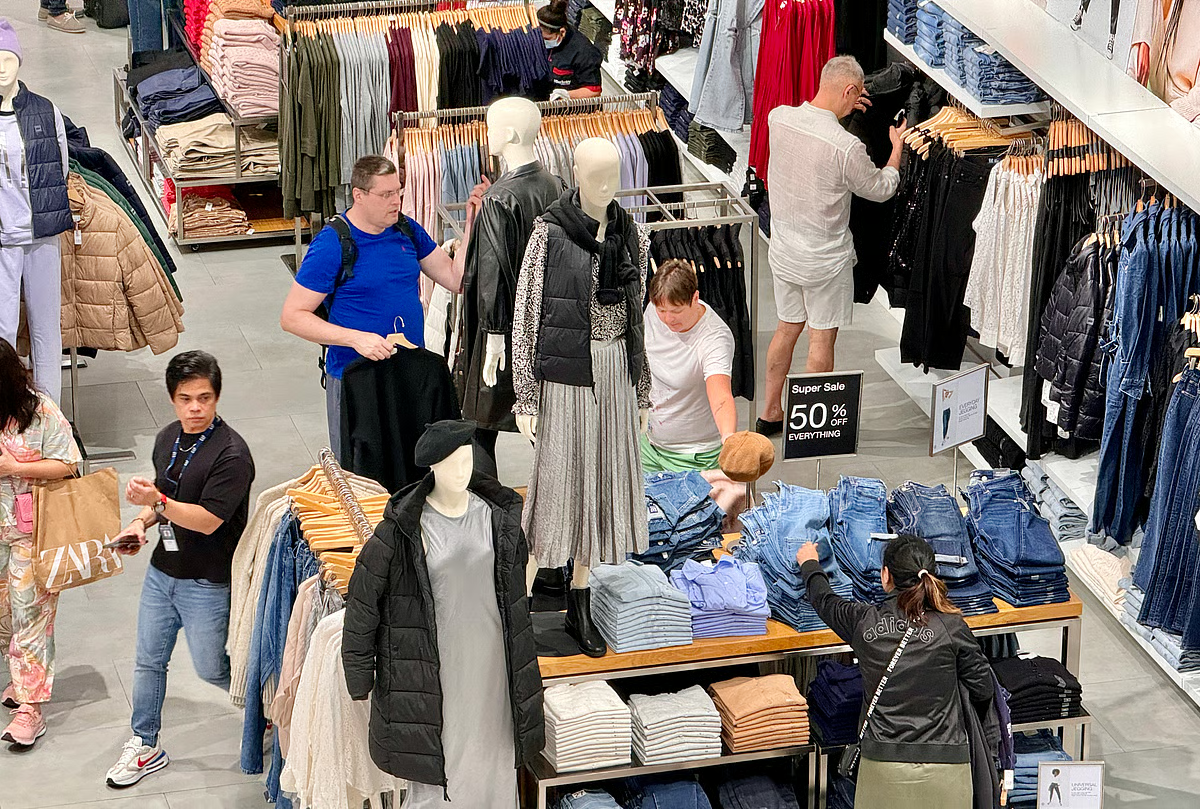
Food shopping remains a central activity during Ramadan, with 39% of UAE residents preferring to shop at hypermarkets like LuLu and Carrefour. This preference is particularly strong among men, parents of young children, and loyalty program subscribers, indicating frequent, planned purchases.
Value and Brand Loyalty
Price sensitivity is a significant factor in purchasing decisions, with nearly one-third of shoppers not relying on influencer recommendations. Brand loyalty is also becoming more flexible, as 17% of consumers are willing to switch brands for better offers or bundles. Retail consultancy Redseer Strategy Consultants estimates total Ramadan retail sales in the UAE will approach $10 billion in 2026, driven by increased spending on food, leisure, and local services.
Additionally, social responsibility is increasingly important to UAE shoppers. A substantial 74% believe brands must demonstrate social responsibility during Ramadan to earn their loyalty, highlighting the growing importance of charitable initiatives and community engagement. This focus on ethical consumption is a growing trend in the region.
Media Consumption and Travel Patterns
Media consumption patterns are also shifting. TikTok is particularly popular during Ramadan, with 37% of UAE residents using the platform between 7pm and 10pm. Short-form video engagement generally increases by nearly 30% after Taraweeh prayers, as residents combine television viewing with mobile use. This increased screen time reflects the changing leisure habits during the month.
The anticipated decline in international travel is partially offset by an increase in “homegoing” trips. Wego’s flight search data shows a 32% rise in searches for routes to Egypt, India, Pakistan, and Jordan, suggesting residents are prioritizing visits to family over leisure travel. This shift in travel priorities is a notable trend for the upcoming Ramadan season.
Looking ahead, the full impact of these trends will become clearer as Ramadan 2026 approaches. Businesses are expected to continue refining their strategies based on real-time data and consumer feedback. Monitoring foot traffic, digital engagement, and sales figures throughout the month will be crucial for understanding the long-term implications of these evolving consumer behaviors. The success of Ramadan campaigns will likely depend on adapting to the new rhythms of daily life and prioritizing value, community engagement, and late-night accessibility.