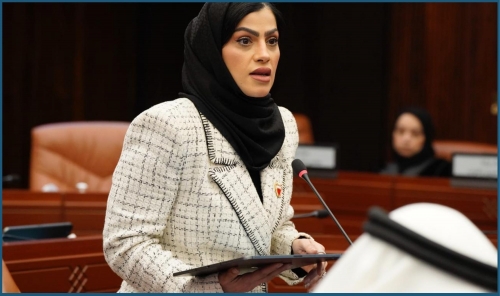

The Bahraini Parliament is set to vote on a crucial proposal aimed at improving housing access for vulnerable women. Specifically, the vote, scheduled for Tuesday, concerns a request to increase the number of ‘Masaken’ flats allocated to women falling under Category Five of Bahrain’s housing regulations – a group encompassing divorced, abandoned, widowed, and unmarried applicants. This initiative highlights a growing concern about housing security for these women and the challenges they face in securing suitable accommodation.
Increasing ‘Masaken’ Flats: A Proposal for Vulnerable Women in Bahrain
The proposal, spearheaded by Members of Parliament (MPs) Basema Mubarak, Dr Hisham Al Asheeri, Mamdouh Al Saleh, Ali Saqer Al Dosari, and Jaleela Alawi, directly addresses Article 4 of Ministerial Decision No. 909 of 2015. This article outlines the criteria for eligibility within the Bahrain housing system, specifically defining Category Five. The core argument presented by the MPs centers on the insufficient number of ‘Masaken’ flats currently designated for this demographic, leading to significant difficulties in finding appropriate housing.
This isn’t simply a matter of convenience; the lack of adequate housing options disproportionately impacts women who may lack alternative support systems. The proposal’s explanatory note emphasizes the constitutional right to family protection and the state’s responsibility to provide housing for citizens with limited financial resources. While existing regulations acknowledge the housing needs of Category Five applicants, the MPs argue that the limited availability of flats effectively negates this right.
The Public Interest and Committee Support
The proposal has garnered significant support, notably from the Public Utilities and Environment Committee. All members present unanimously recommended approval, citing the clear public interest served by the initiative. This endorsement underscores the widespread recognition of the housing challenges faced by divorced, abandoned, widowed, and unmarried women in Bahrain.
The Bahrain Women’s Union has also voiced strong support, emphasizing the vital link between secure housing and the dignity and well-being of these women and their families. Access to stable housing is seen as a cornerstone of social and psychological stability, enabling women to rebuild their lives and provide a secure environment for their children. This aligns with broader efforts towards women’s empowerment in the Kingdom.
Ministry Response and Existing Initiatives
The Ministry of Housing and Urban Planning has responded to the proposal, stating that the objective of supporting this vulnerable group is already being addressed through collaborative projects with the Supreme Council for Women. The Ministry highlighted the ‘Masaken’ building in Al Lawzi, which provides 68 flats, and the ongoing construction of ‘Masaken 2’ in Al Hidd Housing City, slated for completion by the end of the year, offering an additional 49 units.
However, proponents of the parliamentary proposal argue that these existing initiatives, while valuable, are insufficient to meet the growing demand. They believe a dedicated increase in the number of ‘Masaken’ flats specifically reserved for Category Five applicants is necessary to truly address the housing shortage. This is particularly crucial for women who have lost family support and rely solely on state assistance. The debate centers on whether current projects are adequately scaling to meet the needs of this specific population segment.
Addressing the Root Causes of Housing Insecurity
Beyond simply increasing the number of flats, it’s important to consider the underlying factors contributing to affordable housing challenges for these women. Issues such as divorce rates, economic vulnerability, and societal stigmas can all play a role. A holistic approach, combining increased housing provision with support services like financial assistance and counseling, may be necessary to achieve lasting solutions.
Furthermore, exploring innovative housing models and public-private partnerships could help expand the availability of suitable accommodation. The focus should be on creating sustainable solutions that empower women and promote their long-term independence. This also ties into broader discussions around social welfare programs in Bahrain.
Looking Ahead: The Parliamentary Vote and its Implications
Tuesday’s parliamentary vote represents a critical opportunity to address a pressing social issue. If approved, the proposal could lead to a significant increase in the number of ‘Masaken’ flats allocated to women in Category Five, providing much-needed housing security for a vulnerable segment of the population.
The outcome of the vote will not only impact individual women and families but also send a strong message about Bahrain’s commitment to gender equality and social justice. Regardless of the result, the debate surrounding this proposal has already raised awareness of the housing challenges faced by divorced, abandoned, widowed, and unmarried women, paving the way for further discussion and potential solutions. It’s a conversation that highlights the importance of proactive policies designed to protect the rights and well-being of all citizens.