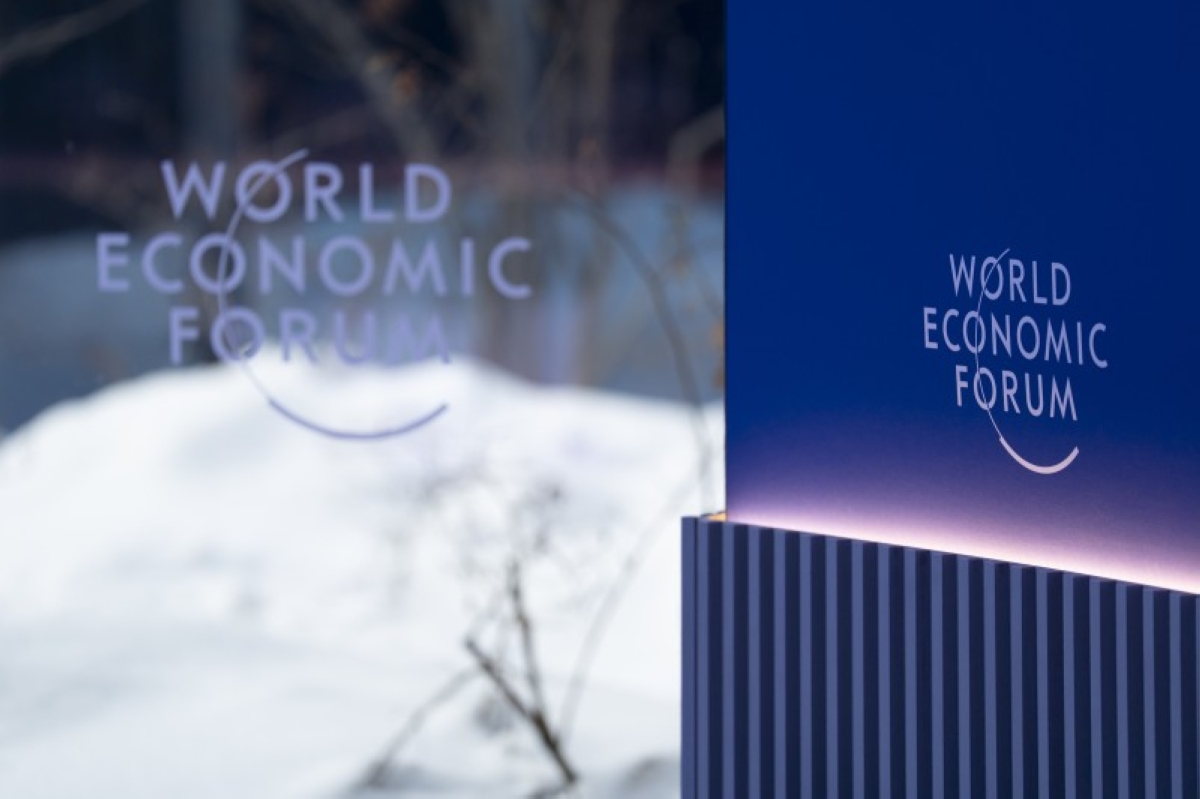

Riyadh – Saudi Arabia has reaffirmed its dedication to global economic cooperation, with Foreign Minister Prince Faisal bin Farhan highlighting the Kingdom’s commitment to active participation in the World Economic Forum (WEF) in Davos 2026. This engagement signals Saudi Arabia’s increasing role in addressing international economic challenges and fostering sustainable development. The WEF, scheduled for January 19th, is a key platform for discussing global policy, innovation, and economic resilience.
Prince Faisal’s statement, released to the Saudi Press Agency, emphasized the importance of collective action and constructive dialogue in navigating a complex global landscape. Saudi Arabia views its involvement in the forum as a crucial step in strengthening partnerships and working towards solutions for shared economic concerns. The Kingdom’s participation is expected to focus on areas like technological advancement, energy transitions, and support for developing nations.
Saudi Arabia’s Role in Global Economic Discussions
The Kingdom’s decision to actively engage in the Davos forum reflects a broader strategy to diversify its economy and position itself as a leader in international economic affairs. This strategy is largely driven by Saudi Vision 2030, a comprehensive plan for long-term economic and social transformation. The Vision aims to reduce the country’s reliance on oil and foster growth in sectors like technology, tourism, and manufacturing.
According to the Ministry of Investment, Saudi Arabia has been actively seeking foreign investment to support these diversification efforts. The WEF provides a unique opportunity to showcase these investment prospects and build relationships with potential partners. The forum’s attendees include heads of state, CEOs of major corporations, and leading academics, creating a high-level networking environment.
Focus on Sustainable Development
Prince Faisal underscored Saudi Arabia’s commitment to sustainable development, noting the need for collaboration between governments and the private sector. This aligns with the WEF’s own focus on environmental, social, and governance (ESG) factors. The Kingdom has recently announced ambitious targets for renewable energy and carbon emissions reduction, demonstrating its dedication to a greener future.
However, balancing economic growth with environmental sustainability remains a significant challenge for Saudi Arabia, as it is for many nations. The WEF offers a space to discuss best practices and explore innovative solutions to this complex issue. The Kingdom is also investing heavily in technologies like carbon capture and storage to mitigate the environmental impact of its energy sector.
Building Resilience Through Innovation
The Foreign Minister highlighted the importance of innovation and digital transformation in enhancing economic resilience. Saudi Arabia is actively pursuing advancements in areas like artificial intelligence, biotechnology, and fintech. These efforts are intended to create new business models, boost competitiveness, and attract skilled workers.
The Kingdom’s investment in NEOM, a planned futuristic city, exemplifies this commitment to innovation. NEOM is designed to be a hub for cutting-edge technologies and sustainable living. The project has attracted significant international attention, but also faces scrutiny regarding its feasibility and environmental impact.
Additionally, Saudi Arabia recognizes the need to build institutional and human capacities to adapt to rapid economic changes. The WEF’s workshops and discussions on skills development and workforce training will be particularly relevant in this regard. The Kingdom is investing in education and training programs to prepare its citizens for the jobs of the future.
Strengthening International Partnerships
Prince Faisal emphasized Saudi Arabia’s belief in inclusive cooperation as a foundation for long-term growth. The Kingdom is actively working to strengthen economic partnerships with countries around the world, particularly those in the Global South. This includes initiatives to promote trade, investment, and technology transfer.
Meanwhile, geopolitical tensions and global supply chain disruptions continue to pose challenges to the global economy. The WEF provides a platform for leaders to address these issues and explore ways to enhance international cooperation. Saudi Arabia’s role as a major energy producer and a key player in regional politics makes its participation particularly important.
The WEF also serves as a venue for discussing issues related to global trade and investment. Saudi Arabia is a member of the World Trade Organization (WTO) and is committed to promoting a rules-based international trading system. The Kingdom is actively involved in negotiations to modernize the WTO and address emerging trade challenges.
The upcoming Davos 2026 forum represents a significant opportunity for Saudi Arabia to further solidify its position as a key player in the global economy. The Kingdom’s participation is expected to focus on strengthening cooperation in areas such as innovation, digital transformation, energy, trade, and support for developing countries. This aligns with the broader goals of Saudi Vision 2030 and contributes to a more sustainable and equitable global economic order.
Looking ahead, the success of Saudi Arabia’s engagement in Davos will depend on its ability to translate discussions into concrete actions and partnerships. The Kingdom’s commitment to implementing its Vision 2030 goals will also be a key factor in shaping its future economic trajectory. Observers will be watching closely to see how Saudi Arabia leverages the forum to advance its economic interests and contribute to global economic stability.