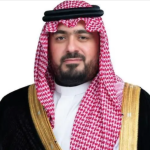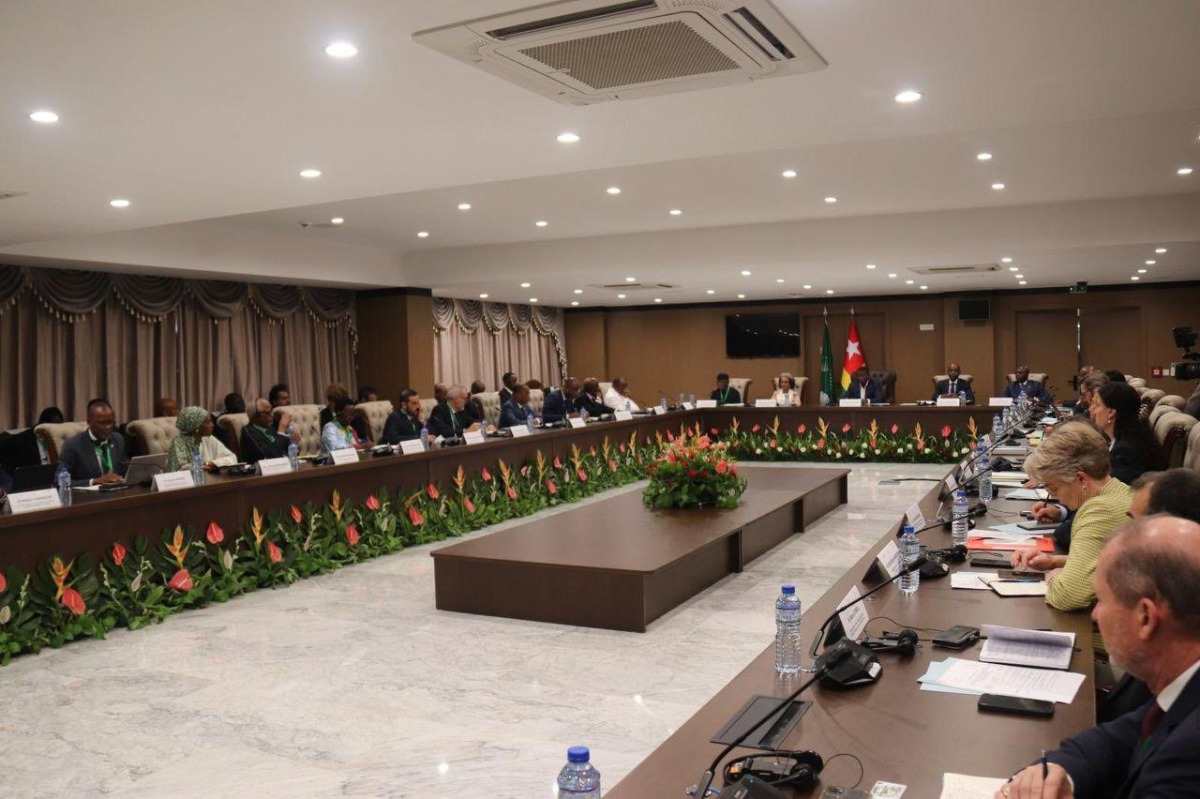

Qatar participated in a high-level meeting in Lome, Togo, focused on bolstering the peace process in the Democratic Republic of the Congo (DRC) and the wider Great Lakes Region. The meeting, held this week, brought together international stakeholders to address ongoing instability and humanitarian concerns. Qatar’s delegation, led by Advisor Ahmed Essa Al Sulaiti, underscored the nation’s commitment to regional stability and diplomatic solutions.
The discussions centered on consolidating recent gains, particularly following the signing of the Doha Framework for Peace between the DRC government and the M23 Movement. The meeting aimed to translate the framework into tangible improvements in security and humanitarian access. Representatives from various nations and organizations explored strategies for long-term peace and development in the conflict-affected areas.
Qatar’s Role in the DRC Peace Process
Qatar’s involvement in the DRC peace process builds upon its history of mediation efforts in regional conflicts. The country has increasingly positioned itself as a facilitator of dialogue and a provider of humanitarian assistance in complex geopolitical situations. According to the Ministry of Foreign Affairs, Qatar views a stable DRC as crucial for broader security in the Great Lakes Region.
Addressing the Humanitarian Crisis
The ongoing conflict in the DRC has created a significant humanitarian crisis, displacing millions and exacerbating existing vulnerabilities. The meeting in Lome dedicated substantial time to discussing ways to improve the delivery of aid and protect civilians. Participants explored options for increasing funding for humanitarian programs and ensuring safe access for aid workers.
However, challenges remain in reaching those most in need, particularly in areas controlled by armed groups. The report indicates that logistical constraints and security concerns continue to hinder humanitarian efforts. Strengthening coordination between international organizations and local authorities is seen as essential to overcome these obstacles.
Strengthening Regional Security
A key focus of the meeting was enhancing regional security mechanisms to prevent further escalation of violence. Discussions covered the need for improved intelligence sharing, border security, and the disarmament of armed groups. Participants also emphasized the importance of addressing the root causes of conflict, such as poverty, inequality, and political exclusion.
Additionally, the meeting addressed the role of neighboring countries in the DRC conflict. Concerns were raised about the flow of arms and fighters across borders, and participants called for greater regional cooperation to counter these threats. The promotion of economic integration was also identified as a way to foster stability and reduce incentives for conflict. Regional stability is a key component of long-term peace.
In contrast to previous efforts, the Doha Framework for Peace represents a significant step forward in the DRC peace process. The agreement, brokered by Qatar, outlines a roadmap for the M23 Movement to disarm and reintegrate into civilian life. The framework also addresses the political grievances of the group and provides for the return of displaced populations.
Meanwhile, the implementation of the Doha Framework faces numerous challenges. Skepticism remains among some stakeholders regarding the willingness of all parties to fully adhere to the terms of the agreement. Monitoring the implementation of the framework and ensuring accountability will be crucial to its success. Conflict resolution in the DRC is a complex undertaking.
The meeting in Togo concluded with a commitment to continued dialogue and collaboration. Participants agreed to establish a follow-up mechanism to monitor progress and address emerging challenges. The next steps involve the full implementation of the Doha Framework and the mobilization of resources to support the DRC’s recovery.
Looking ahead, the success of the peace process will depend on sustained political will, effective coordination, and a commitment to addressing the underlying causes of conflict. The situation remains fluid, and continued monitoring of the security and humanitarian situation in the DRC and the Great Lakes Region is essential. The timeline for achieving lasting peace remains uncertain, but the recent momentum offers a glimmer of hope.