



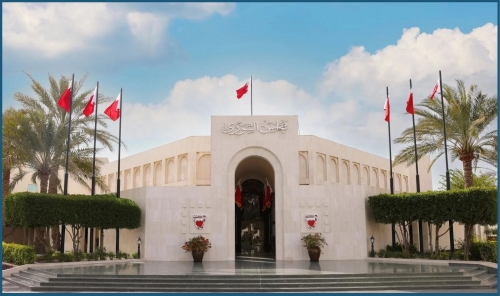

The Bahrain Shura Council is set to address a diverse range of critical issues during its upcoming Sunday sitting, impacting everything from municipal finances and public space utilization to the safety of children online and the long-term financial security of the nation. Key on the agenda are proposed amendments to advertising regulations, a new framework for child digital safety, and a review of the Future Generations Reserve Account’s performance. These discussions highlight the Council’s commitment to modernizing legislation, protecting vulnerable populations, and ensuring responsible financial stewardship.
Expanding Advertising Opportunities in Bahrain
The Council will begin by considering amendments to the existing advertising regulations, specifically Decree-Law No. 14 of 1973. The proposed changes aim to allow government bodies to legally utilize unused spaces within public buildings for advertising purposes. This includes areas within buildings dedicated to public services.
The intention behind this move is to generate additional revenue for municipalities through advertising license fees and to maximize the economic potential of underutilized public assets. The specifics of how these spaces can be used – the terms, conditions, and controls – will be determined and issued through a ministerial decision, providing flexibility while maintaining oversight. The committee supporting the amendment emphasizes that it builds upon previous efforts to reorganize Bahrain’s advertising sector, broadening its scope and potential.
Prioritizing Child Digital Safety with New Legislation
A significant portion of the Council’s session will be dedicated to a proposed amendment to the Child Law (Law No. 37 of 2012). This amendment introduces a dedicated chapter focused on child digital safety, recognizing the increasing risks children face in the online world. This is a crucial step in adapting legal protections to the realities of the digital age.
Graded Protection Based on Age
The proposed framework adopts a graded approach to protection, tailoring regulations to different age groups. Younger children will face stricter prohibitions, while older children will be subject to more nuanced regulations. This acknowledges the varying levels of understanding and vulnerability associated with different stages of development. Importantly, digital platforms specifically used for educational purposes will be excluded from the scope of the draft law, with a list of approved platforms to be issued by the Minister of Education. This demonstrates a commitment to balancing safety with access to vital learning resources.
Addressing Emerging Online Threats
The committee’s report highlights the need to address new forms of exploitation, privacy breaches, and exposure to harmful content that have emerged with the proliferation of online platforms. A key provision of the amendment is an explicit legal ban on creating digital accounts for children under the age of fifteen. This age group is considered particularly susceptible to online risks and may lack the critical thinking skills necessary for self-protection. This ban aligns with existing Bahraini policies that provide special legal safeguards for this demographic. The overall goal is to create a safer online environment for children, ensuring their well-being and protecting their rights. This focus on online child protection is a growing global concern.
Reviewing the Future Generations Reserve Account
The Shura Council will also examine the annual reports and audited financial statements of the Future Generations Reserve Account for the financial years ending December 31, 2022, and December 31, 2023. These reports have been previously reviewed by the National Audit Office.
The account serves as a vital tool for preserving national resources, growing assets, and securing a sustainable future for Bahraini citizens. The Financial and Economic Affairs Committee stressed the importance of maintaining and strategically investing the funds within the account.
Financial Performance and Investment Strategy
In 2022, the account received approximately $54.5 million from the Ministry of Finance and National Economy. However, the year concluded with a loss of around $71 million, attributed to revaluation of investments amidst challenging global market conditions – including price volatility and tighter monetary policies. Conversely, 2023 saw a positive turn, with a profit of approximately $64 million transferred to the reserve, indicating an improvement in performance. Funds received in 2023 totaled around $92.4 million.
The committee recommends continued diversification of the investment portfolio and a balanced geographical spread to maximize returns and mitigate potential losses. Total assets reached approximately $768.9 million by the end of 2023. The committee also suggested exploring the possibility of covering the reserve’s operating expenses directly from the account, reducing pressure on the national budget and providing a clearer financial picture. Operating expenses were around $5.5 million in 2022 and increased to $6.1 million in 2023, prompting a call for the Future Generations Reserve Board to review these costs and administrative fees, leveraging the investment expertise of its members. This careful management of the national reserve fund is paramount.
In conclusion, the Shura Council’s upcoming session addresses a broad spectrum of issues vital to Bahrain’s present and future. From unlocking economic potential through revised advertising regulations to safeguarding children in the digital realm and ensuring the responsible management of long-term financial assets, the Council’s deliberations demonstrate a proactive approach to governance. The proposed amendments and reviews are expected to contribute to a more robust, secure, and prosperous Bahrain for generations to come. The discussions surrounding child digital safety and the Future Generations Reserve Account are particularly noteworthy, reflecting a commitment to both protecting vulnerable citizens and securing the nation’s financial future.