



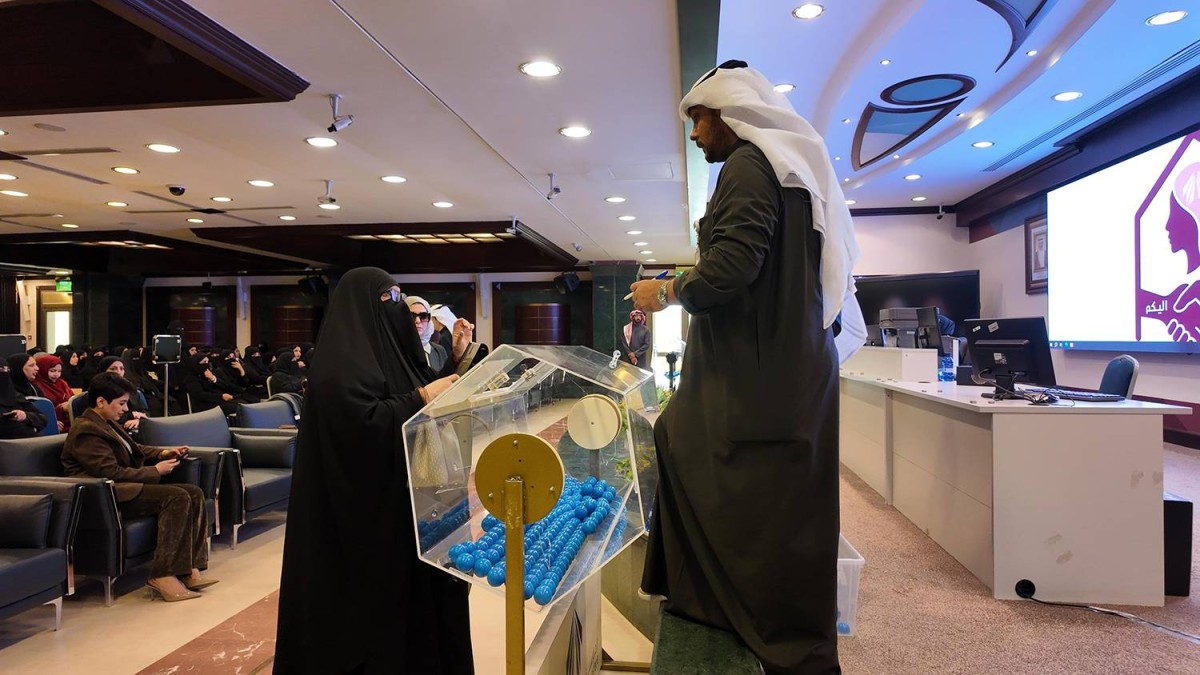

Kuwait is taking significant steps to address its housing needs, particularly for women, with the recent large-scale lottery conducted by the Women’s Housing Committee. This initiative, allocating 349 rental homes, represents a crucial, albeit temporary, solution for citizens who have been waiting for housing for over a decade. The draw highlights the ongoing challenges and the government’s commitment to providing shelter for its people, while also emphasizing the importance of updated applicant information and adherence to regulations.
Kuwait Women’s Housing Lottery: A Major Step for 349 Families
On Thursday, Kuwait’s Women’s Housing Committee held its largest lottery to date, successfully distributing rental homes to citizens who applied for housing assistance as far back as December 31, 2008. The event focused on applicants in the Sulaibikhat and Taima areas, offering a much-needed respite for those long on the waiting list. This allocation isn’t a final solution, but a vital interim measure as Kuwait works towards completing new housing projects slated for completion in 2028.
Addressing a Long-Standing Need
The sheer number of applications underscores the demand for affordable housing in Kuwait. The committee currently manages around 12,000 applications overall, with a substantial portion – approximately 3,450 – dating back to 2008 or earlier. However, a significant hurdle in efficient allocation is the lack of updated information from applicants. Only around 800 of these older applications have been updated, leaving the remaining requests in limbo.
Sheikha Bibi Yousef Saud Al-Sabah, head of the committee, strongly urged women to proactively communicate with the Public Authority for Housing Welfare to confirm their current status. “Continuous cooperation and data updates are essential for us to prepare future housing plans,” she stated, emphasizing the need for accurate data to effectively address the housing shortage.
Regulations and Responsibilities for Beneficiaries
The allocated rental homes come with specific regulations designed to ensure fair distribution and prevent misuse. Sheikha Bibi was clear that this allocation does not represent a permanent transfer of property. Beneficiaries are prohibited from making unauthorized alterations to the properties, such as building extensions. Vacating the units or allowing occupancy by individuals not officially designated on the application – even relatives – is also forbidden.
These rules are being actively enforced. Inspection teams are already deployed to verify that the allocated units are occupied by the intended beneficiaries. Approximately 170 homes were previously deemed unsuitable for occupancy and have been removed from the allocation list for demolition, demonstrating the committee’s commitment to providing safe and habitable housing.
Prioritizing Those Most in Need
The Kuwaiti government recognizes that housing support should be directed towards those who need it most. Discussions are underway with the Minister of State for Municipality Affairs and Minister of State for Housing, Abdullatif Al-Meshari, to review the current income limits for eligibility.
Currently, housing assistance is prioritized for families earning between KD 400 and 500 per month. Sheikha Bibi encouraged those with higher incomes or sufficient financial resources to consider the needs of others, fostering a sense of community responsibility in addressing the housing challenges. This focus on affordable housing solutions is a key component of the government’s social welfare programs.
Future Allocations and Specific Considerations
The Women’s Housing Committee has a clear roadmap for future allocations. The next lottery, planned for later this month, will specifically target women with disabilities who possess official reports from the Public Authority for Disabled Affairs. It is anticipated that 55 to 60 beneficiaries will receive housing in this draw. Subsequent lotteries will address applications submitted in 2010 and earlier, gradually working through the backlog.
Furthermore, the committee is demonstrating flexibility by accommodating applicants with school-aged children. These families will be permitted to remain in their current homes until the end of the academic year, provided they submit the necessary certificates from their children’s schools. This considerate approach minimizes disruption to students’ education during the transition period. The committee is also actively working on long-term housing development projects to alleviate the pressure on rental assistance programs.
The Importance of Continued Collaboration
The success of these housing initiatives hinges on ongoing collaboration between the government, the Public Authority for Housing Welfare, and the citizens of Kuwait. Regular updates to applicant information are crucial for accurate planning and efficient allocation. The committee’s efforts to provide temporary housing, coupled with the planned construction of new projects, represent a significant investment in the well-being of Kuwaiti families. This latest lottery is a positive step towards ensuring that all citizens have access to safe and secure housing in Kuwait.
Looking ahead, continued transparency and responsiveness from the authorities will be vital in maintaining public trust and effectively addressing the evolving housing needs of the nation. Citizens are encouraged to engage with the Public Authority for Housing Welfare to ensure their applications are current and accurately reflect their circumstances.