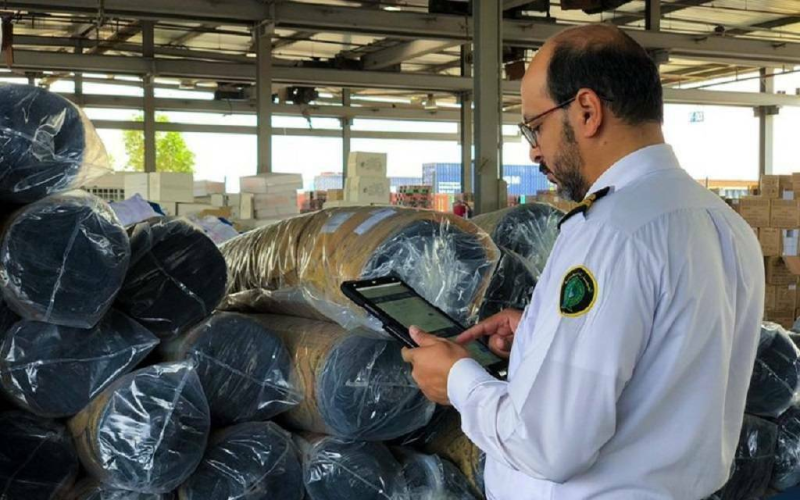

Saudi Arabian customs authorities reported a significant number of seizures last week, intercepting over 1,079 shipments of contraband at the Kingdom’s land, sea, and air ports. The Zakat, Tax and Customs Authority (ZATCA) announced the findings as part of its ongoing efforts to combat smuggling and safeguard national security and economic stability. These seizures highlight the persistent challenges facing the region regarding illicit trade.
The intercepted goods included a wide range of prohibited items, from narcotics and tobacco to weapons and large sums of undeclared currency. The operation, conducted throughout the past week, underscores ZATCA’s commitment to enforcing the Unified Customs Law and collaborating with international partners to disrupt criminal networks. The scale of the seizures suggests a continued, sophisticated effort to move illegal goods through Saudi Arabia.
ZATCA’s Recent Successes in Combating Smuggling
The recent operation resulted in the confiscation of 60 different types of narcotics, encompassing substances like hashish, cocaine, heroin, crystal meth, and Captagon pills. Additionally, authorities seized 512 other prohibited materials, the specific nature of which was not detailed in the official announcement. This broad range of intercepted substances indicates the diverse sources and destinations of illicit goods attempting to transit or enter the country.
Beyond narcotics, the ZATCA also reported the seizure of 2,036 types of tobacco products and their derivatives. This is a notable figure, as the Kingdom maintains strict regulations on tobacco import and sale, often linked to public health concerns. Furthermore, officials confiscated 55 types of cash and 14 types of weapons and related equipment, suggesting attempts to finance illegal activities or introduce arms into the region.
Increased Scrutiny at Border Crossings
The ZATCA has been steadily increasing its focus on border security in recent years, investing in advanced technologies and training for customs officials. This includes enhanced scanning equipment, improved intelligence gathering, and greater collaboration with international law enforcement agencies. According to reports, these efforts are aimed at preventing the flow of illegal goods that could threaten national security and public safety.
However, the vastness of Saudi Arabia’s borders and its strategic location as a transit hub present ongoing challenges. The country shares land borders with several nations, and its extensive coastline and numerous ports make it vulnerable to maritime smuggling. The ZATCA acknowledges these difficulties and emphasizes the need for continued vigilance and cooperation.
The Role of Public Reporting
ZATCA actively encourages public participation in its anti-smuggling efforts. The authority has established dedicated channels for reporting suspected violations, including a security hotline (1910), an email address ([emailprotected]), and an international number (+009661910). These channels are designed to ensure confidentiality for those providing information.
A key incentive for public reporting is the financial reward offered to individuals who provide accurate information leading to the successful apprehension of smugglers and the seizure of contraband. This program aims to leverage the knowledge and awareness of citizens to supplement the efforts of customs officials. The ZATCA believes that a collaborative approach is essential to effectively combat illicit trade.
The issue of cross-border crime extends beyond Saudi Arabia, impacting regional stability and international security. Neighboring countries also face similar challenges with the movement of narcotics, weapons, and other illegal goods. Increased regional cooperation is therefore crucial to addressing these shared threats.
The Kingdom’s efforts to curb illegal trafficking are also linked to its broader economic diversification plans. By protecting the national economy from the negative impacts of smuggling, the ZATCA aims to create a more stable and attractive environment for investment and growth. This includes ensuring fair competition for legitimate businesses and safeguarding government revenue.
The ZATCA’s statement affirmed its dedication to strengthening customs controls on both imports and exports. This commitment is driven by a desire to protect society and maintain the integrity of the Kingdom’s trade system. The authority plans to continue refining its strategies and deploying resources to address emerging threats.
Looking ahead, ZATCA is expected to release a more detailed report on the seizures, including information on the origin and destination of the contraband. The authority will likely continue to emphasize the importance of public awareness and collaboration in its ongoing fight against smuggling. Monitoring future seizure statistics and policy adjustments will be key to understanding the evolving landscape of smuggling in the region and the effectiveness of ZATCA’s response.
The long-term success of these efforts will depend on sustained investment in technology, training, and international partnerships. Additionally, addressing the underlying socio-economic factors that contribute to smuggling will be essential for achieving lasting results. The ZATCA’s continued vigilance and proactive approach are vital to protecting Saudi Arabia’s security and economic interests.