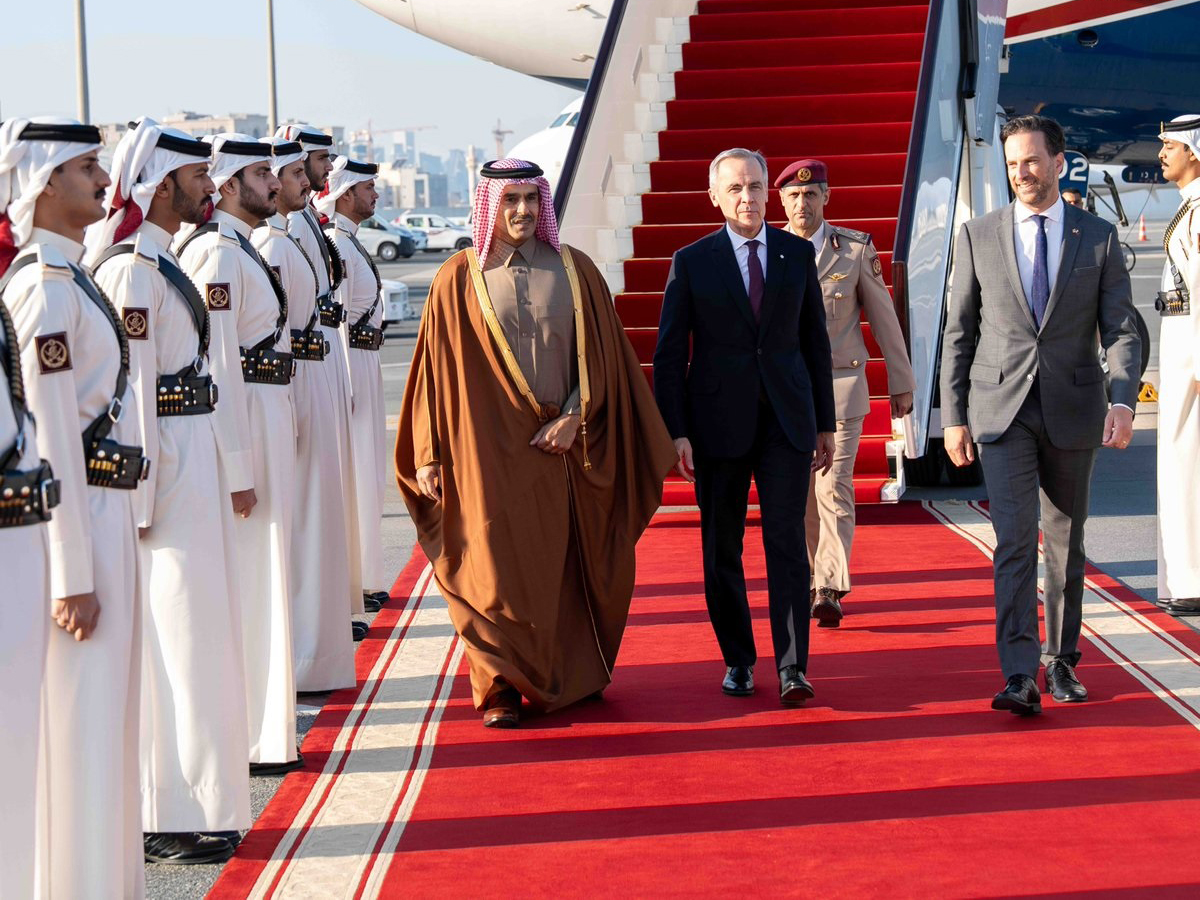

Doha, Qatar – Canadian Prime Minister Dr. Mark Carney concluded a state visit to Doha on Saturday, signaling continued efforts to strengthen Canada-Qatar relations. The visit, which included a welcome at Doha International Airport by Minister of State for Energy Affairs Eng. Saad bin Sherida Al Kaabi and Canadian Ambassador Karim Morcos, focused on discussions surrounding energy cooperation, investment, and regional stability. This trip underscores the growing importance of Qatar as a key partner for Canada in the Middle East.
The Prime Minister’s arrival and subsequent meetings took place amidst a backdrop of increasing global energy demands and a shifting geopolitical landscape. While specific details of the discussions haven’t been fully released, sources indicate a focus on diversifying energy supplies and exploring potential Canadian expertise in Qatar’s energy sector. The visit also comes as Qatar prepares to host several major international events in the coming years, creating opportunities for increased trade and collaboration.
Strengthening Canada-Qatar Economic Ties
A primary objective of Dr. Carney’s visit appears to be bolstering economic partnerships between the two nations. Qatar is a significant investor globally, and Canada is keen to attract further investment, particularly in areas like sustainable technology and infrastructure. According to the Canadian government, trade between Canada and Qatar has been steadily increasing, reaching approximately CAD $1.5 billion in 2023.
The energy sector is central to this relationship. Qatar is one of the world’s leading exporters of liquefied natural gas (LNG), and Canada is seeking to play a larger role in supplying energy to international markets. Discussions likely involved potential long-term LNG supply agreements and collaboration on energy transition technologies, including hydrogen production.
Focus on Investment Opportunities
Beyond energy, the visit aimed to identify opportunities for Canadian companies in other sectors of the Qatari economy. These include areas such as education, healthcare, and financial services. The Canadian Commercial Corporation has been actively facilitating connections between Canadian businesses and Qatari counterparts, and this visit is expected to accelerate those efforts.
Qatar’s sovereign wealth fund, the Qatar Investment Authority (QIA), has already made substantial investments in Canada. Further expansion of these investments could provide a significant boost to the Canadian economy. The QIA’s portfolio spans various industries, demonstrating its long-term commitment to the Canadian market.
Additionally, the two countries share common ground on several international issues, including promoting peace and security, and addressing climate change. These shared values provide a foundation for closer cooperation on diplomatic and security matters. Canada has consistently supported Qatar’s role as a mediator in regional conflicts.
However, the visit also occurred against a backdrop of ongoing geopolitical tensions in the region. The situation in Gaza and broader regional security concerns were likely discussed during the meetings. Canada and Qatar both emphasize the importance of de-escalation and a peaceful resolution to conflicts.
Meanwhile, Qatar is actively diversifying its economy away from its reliance on hydrocarbons, as outlined in its National Vision 2030. Canada’s expertise in areas like innovation and technology could be valuable in supporting Qatar’s diversification efforts. This includes potential collaboration on developing a knowledge-based economy and fostering entrepreneurship.
In contrast to some other nations, Canada maintains a consistent and pragmatic approach to its relationship with Qatar, prioritizing dialogue and cooperation. This approach has been instrumental in building trust and fostering a strong partnership over the years. The Canadian government views Qatar as a reliable and important partner in the Middle East.
The outcome of the discussions is expected to be formalized in a joint statement outlining specific areas of cooperation and potential agreements. Further details regarding investment commitments and energy partnerships are anticipated in the coming weeks. The next step will likely involve follow-up meetings between government officials and business leaders to translate the discussions into concrete actions. The timeline for these developments remains uncertain, dependent on ongoing negotiations and internal approvals within both countries.
Looking ahead, observers will be watching for concrete announcements regarding new investment projects and energy deals. The success of this visit will be measured by its ability to generate tangible benefits for both Canada and Qatar, and to further strengthen their long-term strategic partnership. Canada’s official relations with Qatar provide further context on the existing framework.