

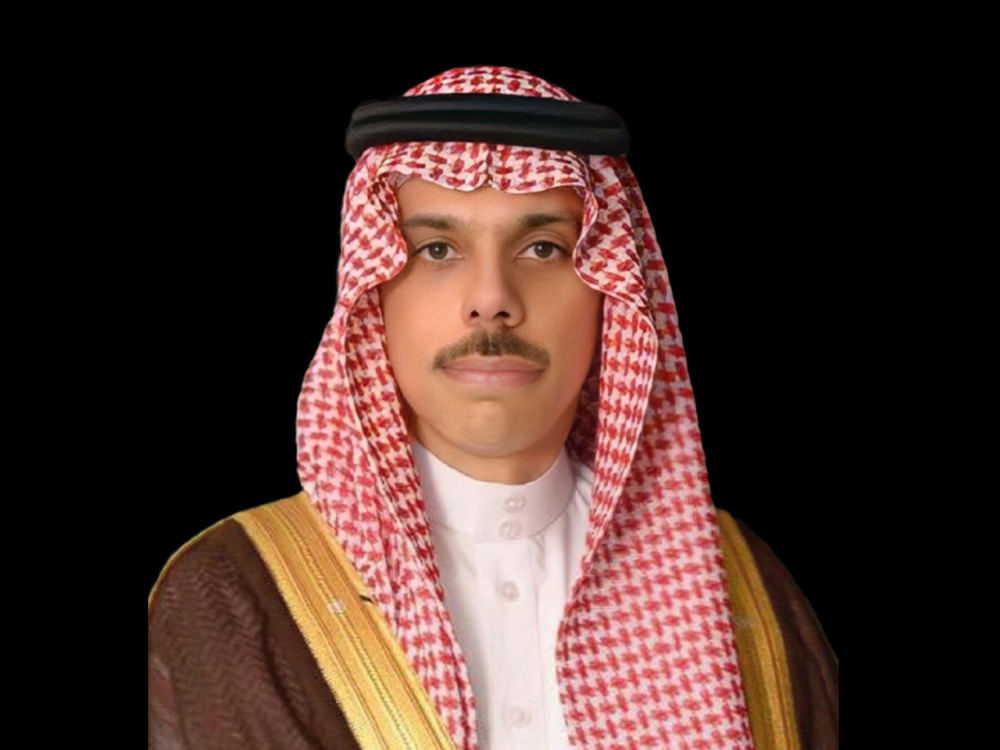

Riyadh – Saudi Arabia’s Minister of Foreign Affairs, Prince Faisal bin Farhan bin Abdullah, engaged in a series of diplomatic discussions on Saturday, receiving phone calls from counterparts in Iraq, Turkey, Jordan, and Spain. These conversations focused on bolstering bilateral relations and addressing pressing regional and global issues, signaling continued Saudi efforts to mediate and stabilize the Middle East. The discussions underscore the Kingdom’s commitment to collaborative diplomacy amidst ongoing geopolitical tensions.
The calls, which took place throughout the day, involved Iraqi Foreign Minister Fuad Hussein, Turkish Foreign Minister Hakan Fidan, Jordanian Foreign Minister Ayman Al Safadi, and Spanish Foreign Minister Jose Manuel Albares. According to the Saudi Ministry of Foreign Affairs, the ministers exchanged views on shared security concerns and explored avenues for increased cooperation. These dialogues are particularly noteworthy given the complex and evolving dynamics of the region.
Strengthening Diplomatic Ties and Regional Stability
The emphasis on strengthening bilateral relations with each nation highlights Saudi Arabia’s multifaceted foreign policy approach. The Kingdom seeks to maintain strong partnerships with key players across the Middle East and beyond, fostering economic and security cooperation. This strategy is seen as crucial for navigating the challenges posed by regional conflicts and external influences.
Focus on Iraq and Turkey
The discussions with Iraq and Turkey are particularly significant. Iraq, a neighbor grappling with political instability and the lingering threat of terrorism, is a key focus for Saudi mediation. The Saudi government has been actively working to de-escalate tensions between Iran and Saudi Arabia, with Iraq playing a role in facilitating talks.
Similarly, relations with Turkey have seen a recent thaw after a period of strain. The conversations likely touched upon issues such as trade, investment, and regional security, including the situation in Syria. Turkey’s role in the Black Sea grain deal and its broader influence in the Eastern Mediterranean also likely featured in the discussions.
Jordan and Spain: Broadening Partnerships
The calls with Jordanian and Spanish officials demonstrate Saudi Arabia’s desire to broaden its international partnerships. Jordan is a steadfast ally in the region, sharing similar views on many security issues. Spain, as a European Union member, provides a crucial link to European markets and political forums. This diversification of relationships is a key component of Saudi Arabia’s Vision 2030 economic diversification plan.
The Saudi Ministry of Foreign Affairs stated that the conversations also covered ongoing efforts to address regional and global developments. These likely included the war in Ukraine, the humanitarian crisis in Yemen, and the broader issue of counter-terrorism. The ministers reportedly reaffirmed their commitment to finding peaceful resolutions to these conflicts.
Analysts suggest that Saudi Arabia is positioning itself as a central mediator in the region, leveraging its economic power and diplomatic influence. This role has become increasingly important as the United States recalibrates its foreign policy priorities and other regional powers seek to assert themselves. The Kingdom’s ability to convene and facilitate dialogue between conflicting parties is seen as a valuable asset.
The ongoing efforts to achieve security and stability in the region are complicated by a number of factors, including the involvement of external actors and the persistence of deep-seated political grievances. However, the recent flurry of diplomatic activity suggests a renewed commitment to finding common ground. The situation in the Red Sea, with attacks on commercial shipping, is a growing concern and likely a topic of future discussions.
Looking ahead, further diplomatic engagements are expected in the coming weeks as Saudi Arabia continues to pursue its foreign policy objectives. The success of these efforts will depend on the willingness of all parties to compromise and prioritize regional stability. Monitoring the Kingdom’s interactions with regional and international partners will be crucial in understanding the evolving geopolitical landscape of the Middle East and the broader implications for global security and Middle Eastern policy.
The next significant event to watch is the upcoming meeting of the World Economic Forum in Riyadh in May, which is expected to draw high-level officials from around the world and provide a platform for further dialogue on key regional and global issues. The effectiveness of Saudi Arabia’s diplomacy remains to be seen, but the current trajectory suggests a proactive approach to addressing the challenges facing the region and promoting regional security.