
The Sultanate of Oman’s economy continues on a path of steady growth, with recent data indicating a positive trajectory for the third quarter of 2025. The nation’s gross domestic product (GDP), measured at constant prices, experienced a 2% increase, reaching OMR 9.9112 billion. This growth signals resilience and diversification within the Omani economy, moving beyond its traditional reliance on hydrocarbons. This article will delve into the specifics of this economic expansion, examining the key sectors driving the positive results and what they mean for Oman’s future.
Oman’s GDP Growth in Q3 2025: A Detailed Overview
Preliminary figures released by the National Centre for Statistics and Information (NCSI) paint a picture of a broadening economic base. The 2% rise in gross domestic product (GDP) represents a continuation of the positive momentum seen throughout 2025, and a slight improvement over the same period in 2024 when GDP stood at OMR 9.7129 billion. This growth isn’t simply a result of increased oil prices; it’s a testament to the success of Oman’s Vision 2040 and its focus on economic diversification.
The Rise of Non-Oil Activities
A significant driver of this overall growth was the 2% increase in the added value of non-oil activities. These activities contributed OMR 7.3032 billion to the GDP by the end of Q3 2025, compared to OMR 7.1599 billion in Q3 2024. This demonstrates the increasing importance of sectors like tourism, manufacturing, and logistics to the Omani economy.
This shift is crucial for long-term sustainability, reducing the nation’s vulnerability to fluctuations in the global oil market. The government’s investment in infrastructure and its efforts to attract foreign investment are clearly bearing fruit.
Key Sector Performances
Several specific sectors within the non-oil economy showed notable growth during the third quarter.
- Construction: The construction sector experienced a 1.3% increase, contributing OMR 1.0348 billion to the GDP. This growth is likely linked to ongoing infrastructure projects and a rising demand for housing.
- Wholesale and Retail Trade: This sector also saw a 1.3% rise, adding OMR 830.5 million to the economy. Increased consumer spending and business activity are contributing factors.
- Public Administration and Defence: A 1.5% growth in public administration and defence activities resulted in a contribution of OMR 932.5 million. This reflects continued government investment in essential services and national security.
These positive indicators across diverse sectors highlight the effectiveness of Oman’s economic diversification strategy.
Oil Sector Contribution to Economic Growth
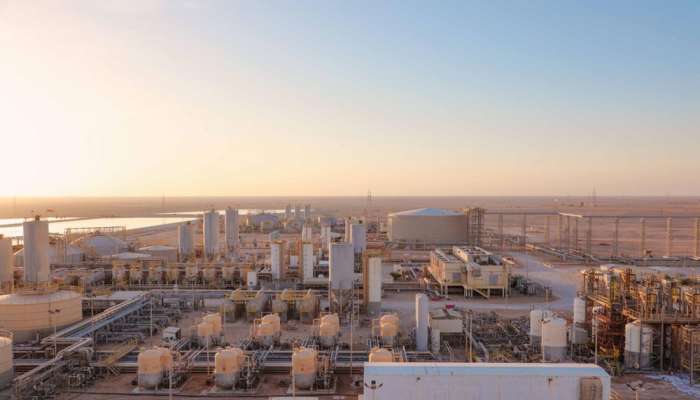
While the non-oil sector is gaining prominence, the oil sector remains a vital component of Oman’s economic outlook. Oil activities registered a growth of 1.9%, reaching OMR 3.0676 billion in Q3 2025, up from OMR 3.0104 billion in the same period the previous year.
Crude Oil and Natural Gas Production
This growth was fueled by increases in both crude oil and natural gas production.
- Crude Oil: Crude oil production increased by 2%, contributing OMR 2.5548 billion to the GDP. This suggests a sustained level of demand and efficient production capabilities.
- Natural Gas: Natural gas activities also saw a positive trend, growing by 1.6% to reach OMR 512.8 million. The increasing use of natural gas for domestic power generation and potential export opportunities are driving this growth.
However, it’s important to note that the overall contribution of the oil sector, while growing, is proportionally less than the non-oil sector, reinforcing the success of diversification efforts. The focus on Oman investment in renewable energy sources is also expected to further reduce reliance on oil in the long term.
Implications and Future Prospects
The 2% growth in Oman’s gross domestic product (GDP) for Q3 2025 is a positive sign for the nation’s economic health. It demonstrates the effectiveness of the government’s policies aimed at diversifying the economy and attracting investment. The strong performance of the non-oil sector is particularly encouraging, suggesting a more sustainable and resilient economic future.
Looking ahead, continued investment in infrastructure, tourism, and manufacturing will be crucial for maintaining this momentum. Furthermore, fostering a favorable business environment and attracting skilled labor will be essential for driving innovation and growth. The development of the Duqm Special Economic Zone, a key component of Oman’s Vision 2040, is expected to play a significant role in attracting foreign direct investment and boosting economic activity.
The NCSI’s data provides valuable insights into the evolving economic landscape of Oman. Monitoring these trends and adapting policies accordingly will be key to ensuring continued prosperity and achieving the goals outlined in Vision 2040. For investors and businesses considering opportunities in the region, Oman presents a stable and growing market with a clear commitment to economic diversification and sustainable development.
This positive economic performance also impacts Oman’s financial markets, potentially attracting further investment and strengthening the national currency.