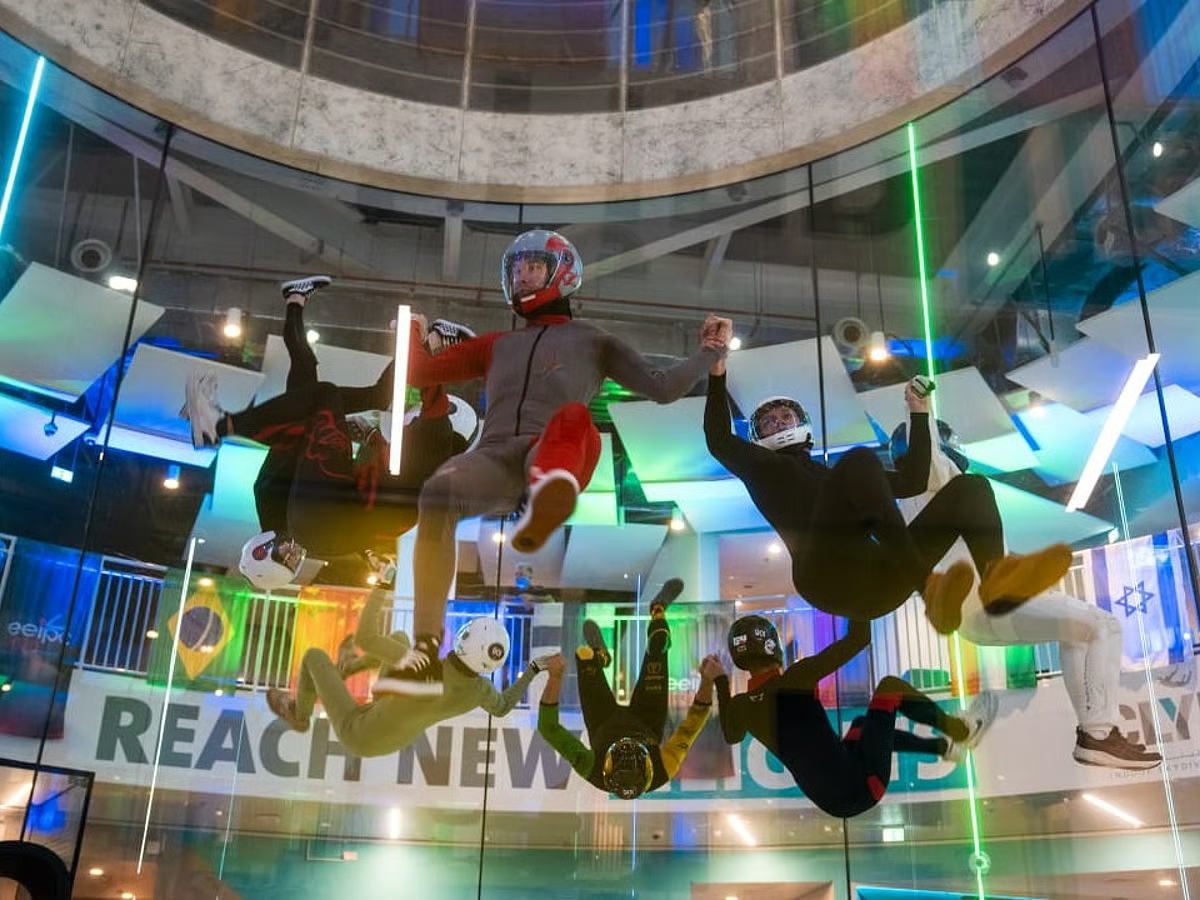

The spirit of international cooperation and sportsmanship was a prominent theme at recent skydiving competitions held in the United Arab Emirates. Athletes from around the globe emphasized the strong sense of community within the skydiving world, downplaying national rivalries in favor of mutual respect and shared passion. This positive atmosphere was observed during events attracting participants from diverse backgrounds and skill levels.
Alberto Avalis, a competitor representing the UAE, articulated this sentiment, noting the familial bond among skydivers. These competitions, which concluded earlier this week, showcased not only athletic prowess but also the unifying power of extreme sports, according to event organizers. The events took place at various dropzones across the UAE, drawing significant attention from both participants and spectators.
The Unique Camaraderie of Competitive Skydiving
While many sports are characterized by intense national competition, skydiving fosters a distinctly collaborative environment. The inherent risks of the sport necessitate a high degree of trust and mutual support among athletes, regardless of their country of origin. This shared understanding creates a bond that transcends geopolitical boundaries.
Safety as a Unifying Factor
Skydiving demands meticulous preparation and adherence to safety protocols. Athletes routinely assist each other with gear checks, jump planning, and post-landing assessments. This constant interaction and reliance on one another builds strong relationships and a collective focus on minimizing risk.
A Global Community
The international nature of skydiving events also contributes to the strong sense of community. Competitors travel extensively, encountering familiar faces at different competitions worldwide. This repeated interaction fosters friendships and a shared identity as members of a global skydiving family.
This emphasis on camaraderie contrasts with some other high-profile sporting events where national pride often takes precedence. However, the technical complexity and inherent dangers of skydiving seem to naturally prioritize cooperation over competition. The focus shifts from simply winning to pushing the boundaries of the sport safely and collectively.
The UAE has become a significant hub for skydiving, attracting athletes and events due to its modern facilities and favorable weather conditions. The country’s investment in the sport has not only elevated its own competitive standing but has also contributed to the growth of the global skydiving community. This includes hosting training camps and workshops open to international participants.
Beyond the competitive arena, skydiving also promotes tourism and economic development in the UAE. Events draw visitors who contribute to local businesses and showcase the country’s capabilities as a world-class sporting destination. The Ministry of Tourism has actively supported these initiatives, recognizing the positive impact on the national economy.
The increasing popularity of disciplines like formation skydiving and wingsuit flying further necessitates collaboration. These events require precise coordination and timing between multiple jumpers, making teamwork essential. Disciplines like freefall photography also rely heavily on the skills of both the photographer and the subject.
Interestingly, the rise of social media has also played a role in strengthening the skydiving community. Platforms like Instagram and YouTube allow athletes to share their experiences, connect with others, and promote the sport globally. This increased visibility has attracted new participants and fostered a sense of belonging.
While competition remains a core element of these events, the prevailing attitude appears to be one of mutual respect and encouragement. Athletes are often seen congratulating each other on successful jumps, even if it means losing out on a medal. This spirit of sportsmanship is a defining characteristic of the modern skydiving scene.
The International Parachuting Commission (IPC), the governing body for the sport, actively promotes safety and fair play. They establish standardized rules and regulations for competitions, ensuring a level playing field for all participants. The IPC also works to develop the sport and encourage participation at all levels, from beginners to elite athletes. Related disciplines like base jumping, while sharing similarities, operate under different regulatory frameworks due to their increased risk profile.
Looking ahead, the UAE is expected to continue hosting major skydiving events, further solidifying its position as a leading destination for the sport. The IPC is currently reviewing proposals for the 2025 World Championships, with a decision anticipated by the end of the year. The ongoing development of new technologies in parachute design and flight suits will also likely shape the future of competitive skydiving, and how athletes collaborate to push those boundaries safely.
The long-term impact of this collaborative spirit on the evolution of skydiving techniques and safety standards remains to be seen, but the current trend suggests a positive outlook for the sport’s continued growth and development.