
India and the European Union are on the cusp of a landmark trade agreement, one that Indian Commerce and Industry Minister Piyush Goyal has boldly termed the “mother of all deals.” This proposed India-EU FTA represents a significant shift in India’s trade strategy, signaling a growing confidence in negotiating favorable terms with developed economies and promising a substantial boost to the nation’s export sectors. The agreement is poised to redefine India’s economic relationship with the EU, a major global economic power.
The “Mother of All Deals”: A Game Changer for Indian Trade
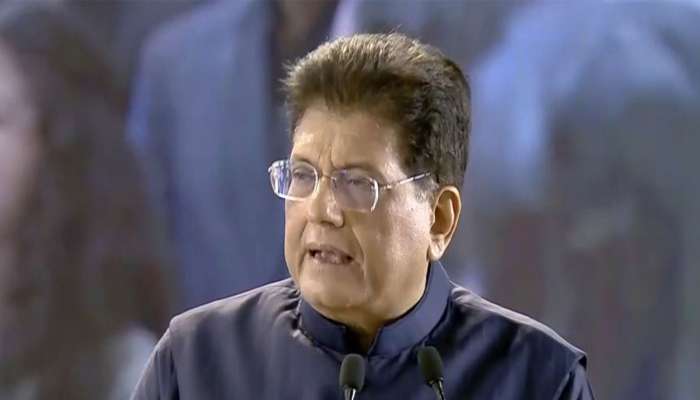
Minister Goyal’s enthusiastic description highlights the scale and potential impact of the India-EU FTA. He emphasized that this agreement surpasses previous free trade agreements India has secured with seven other developed nations. The sheer size of the combined economies – India and the EU together represent a massive market – is a key factor driving this optimism.
He stated, “This one (EU) will be the mother of all. It will cover two of the world’s most powerful economies. We have very good growth possibilities.” This isn’t simply about volume; it’s about the nature of the trade.
Mutually Beneficial Dynamics
A crucial aspect of the impending deal, according to Goyal, is its mutually beneficial structure. Unlike many trade agreements where competition is a central concern, the India-EU partnership is characterized by complementary strengths. “It will be a win-win deal for both, but the good part is that we don’t compete with each other,” he explained. India’s focus on labor-intensive exports aligns well with the EU’s demand for these goods, creating a synergistic relationship. This focus on non-competitive sectors is a deliberate strategy to ensure sustainable growth for both sides.
A New Confidence in Trade Negotiations
The proactive approach to securing the India-EU FTA is a direct result of a shift in India’s negotiating stance, largely attributed to the leadership of Prime Minister Narendra Modi. Goyal pointed out that previous administrations were hesitant to engage in trade deals with developed nations, often fearing unfavorable outcomes.
However, the current government is approaching negotiations with a newfound confidence, driven by India’s economic growth and its increasing recognition as a global power. “We go to the developed world with full confidence. We are willing to take bold decisions, and therefore we get the best deal out of the other countries,” the minister asserted. This boldness is likened to a startup mentality – a willingness to take calculated risks for significant rewards.
Strong EU Support and Safeguarding National Interests
The momentum behind the India-EU FTA isn’t solely on the Indian side. Goyal revealed widespread support from all 27 EU member states. He noted that consistent communication at various levels – from ministerial meetings to ambassadorial discussions and direct engagement between Prime Minister Modi and EU heads of state – has fostered a shared enthusiasm for finalizing the agreement quickly. “Not a single one of the 27 states is opposed to an India-EU partnership,” he confirmed.
Despite the eagerness to conclude the deal, Goyal firmly assured that India will not compromise its national interests. “I can assure you that we will not compromise the benefit of our country with the FTA deal with the EU,” he stated, underscoring the government’s commitment to protecting domestic industries and ensuring a fair outcome for Indian businesses and citizens. This commitment to national interests is a key tenet of India’s trade policy.
Beyond the EU: Progress on a US Trade Deal
While the India-EU FTA is currently the primary focus, India is also actively pursuing a trade agreement with the United States. Goyal indicated that negotiations are “ongoing” and that a deal will be reached “at the right time,” though he refrained from providing a specific timeline. This signals a continued commitment to diversifying India’s trade partnerships and strengthening its economic ties with major global players. The US remains a crucial market for Indian exports, and a comprehensive trade agreement would unlock further opportunities for growth. Bilateral trade with the US is also a priority.
Upcoming EU-India Summit
The upcoming 16th EU-India Summit, scheduled for January 27th in New Delhi, will be a pivotal moment in solidifying the partnership. European Council President Antonio Costa and European Commission President Ursula von der Leyen will be in attendance, meeting with Prime Minister Modi to discuss the final details of the India-EU FTA and explore further avenues for cooperation.
The summit agenda will encompass key areas such as trade, security and defence, the clean energy transition, and people-to-people exchanges. A statement from the EU highlighted the aim to consolidate the strategic partnership and strengthen collaboration across these vital policy domains. This summit is expected to provide a significant boost to the ongoing negotiations and pave the way for a formal agreement in the near future. Trade relations are expected to be the central theme.
In conclusion, the proposed India-EU FTA is a landmark agreement with the potential to reshape India’s economic landscape. Driven by a new confidence in trade negotiations and supported by strong political will on both sides, the deal promises mutually beneficial growth and development. The upcoming EU-India Summit represents a crucial step towards finalizing this “mother of all deals” and ushering in a new era of economic cooperation between India and the European Union. Businesses and stakeholders should closely monitor developments and prepare to capitalize on the opportunities this agreement will undoubtedly create.