




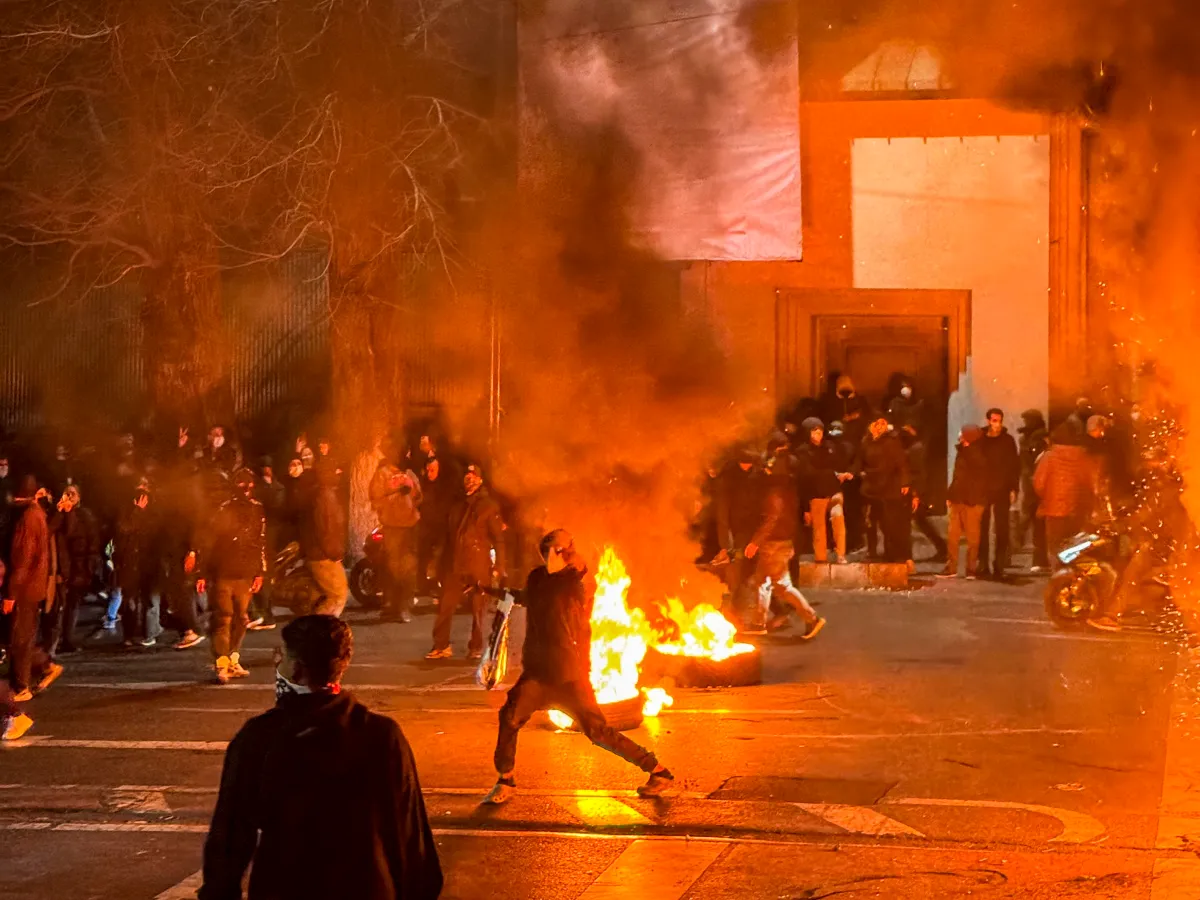

A prolonged internet shutdown in Iran is entering its second week, impacting an estimated 92 million people and representing one of the most extensive and strictly enforced digital blackouts in recent history. The disruption began on January 8th as a response to widespread anti-government protests, hindering communication and raising concerns about human rights monitoring. This action follows a pattern of internet restrictions employed by the Iranian government during periods of civil unrest, making independent verification of events increasingly difficult.
The Scale of the Iranian Internet Shutdown
Experts at NetBlocks indicate the current shutdown surpasses previous nationwide outages in Iran, which lasted approximately 160-163 hours in 2019 and 2025. While the exact duration ranking varies depending on measurement criteria, the scale of this disruption is significant. It is currently the third-longest recorded nationwide internet shutdown, trailing only those experienced in Sudan in 2021 and Mauritania in 2024.
Impact on Daily Life and Economy
Initially, the shutdown severed internet access to critical government institutions, including the foreign ministry. Access has since been partially restored to some government departments and essential economic sectors, such as banking and fuel payment systems, according to reports from the Financial Times. However, the vast majority of the population remains cut off from the global internet.
The disruption severely limits Iranians’ ability to communicate with the outside world, access information, and organize. It also impacts businesses reliant on online transactions and international connectivity. This digital censorship has drawn condemnation from international rights groups and governments.
Circumventing the Blockade: Starlink and Sanctions
Despite the government’s efforts, some Iranians are attempting to bypass the restrictions. Reports from The Guardian suggest a limited number of individuals are utilizing Starlink satellite internet terminals smuggled into the country. This access, however, is precarious.
The Biden administration previously eased sanctions in 2022, aiming to support internet freedom in Iran and allow U.S. technology companies to provide connectivity. This move facilitated the potential for services like Starlink to operate legally. However, Iranian authorities have responded by criminalizing the possession of Starlink terminals, actively jamming signals, and confiscating devices.
Geopolitical Tensions and Potential Escalation
The situation is further complicated by escalating geopolitical tensions. U.S. President Donald Trump initially threatened military intervention in response to violence against protestors, but later indicated a potential de-escalation, stating that “the killing has stopped.” This claim remains unverified.
Simultaneously, the U.S. military has repositioned naval assets in the Middle East, redirecting a strike group from the South China Sea, while also reducing personnel at a base in Qatar. These movements suggest a heightened state of alert and preparedness for potential conflict.
Meanwhile, the United Kingdom has evacuated its embassy staff from Tehran and Iran temporarily closed its airspace on Wednesday, signaling a significant deterioration in diplomatic relations. These actions reflect a broader concern about regional stability and the potential for miscalculation.
Protests and Reported Casualties
The current wave of protests began late last year, with demonstrations occurring in cities across Iran. A U.S.-based human rights organization estimates that over 600 protests have taken place. Reports indicate a violent crackdown by Iranian security forces, with estimates of at least 2,000 deaths. Independent verification of these figures is challenging due to the ongoing internet restrictions and limited access for journalists and observers.
The protests are rooted in a complex set of grievances, including economic hardship, political repression, and social restrictions. The government’s response has been widely criticized for its brutality and disregard for human rights. The lack of open communication channels exacerbates the situation and hinders efforts to find a peaceful resolution.
The future of the internet shutdown in Iran remains uncertain. While some limited access has been restored to government and economic sectors, a full lifting of restrictions appears unlikely in the short term. International pressure on the Iranian government to restore internet access and respect human rights is expected to continue. Observers will be closely watching for any further escalation in geopolitical tensions and the potential impact on the ongoing protests and the broader regional landscape. The next few days will be critical in determining whether the shutdown will be further prolonged or whether a path towards restoring connectivity and de-escalating the conflict can be found.