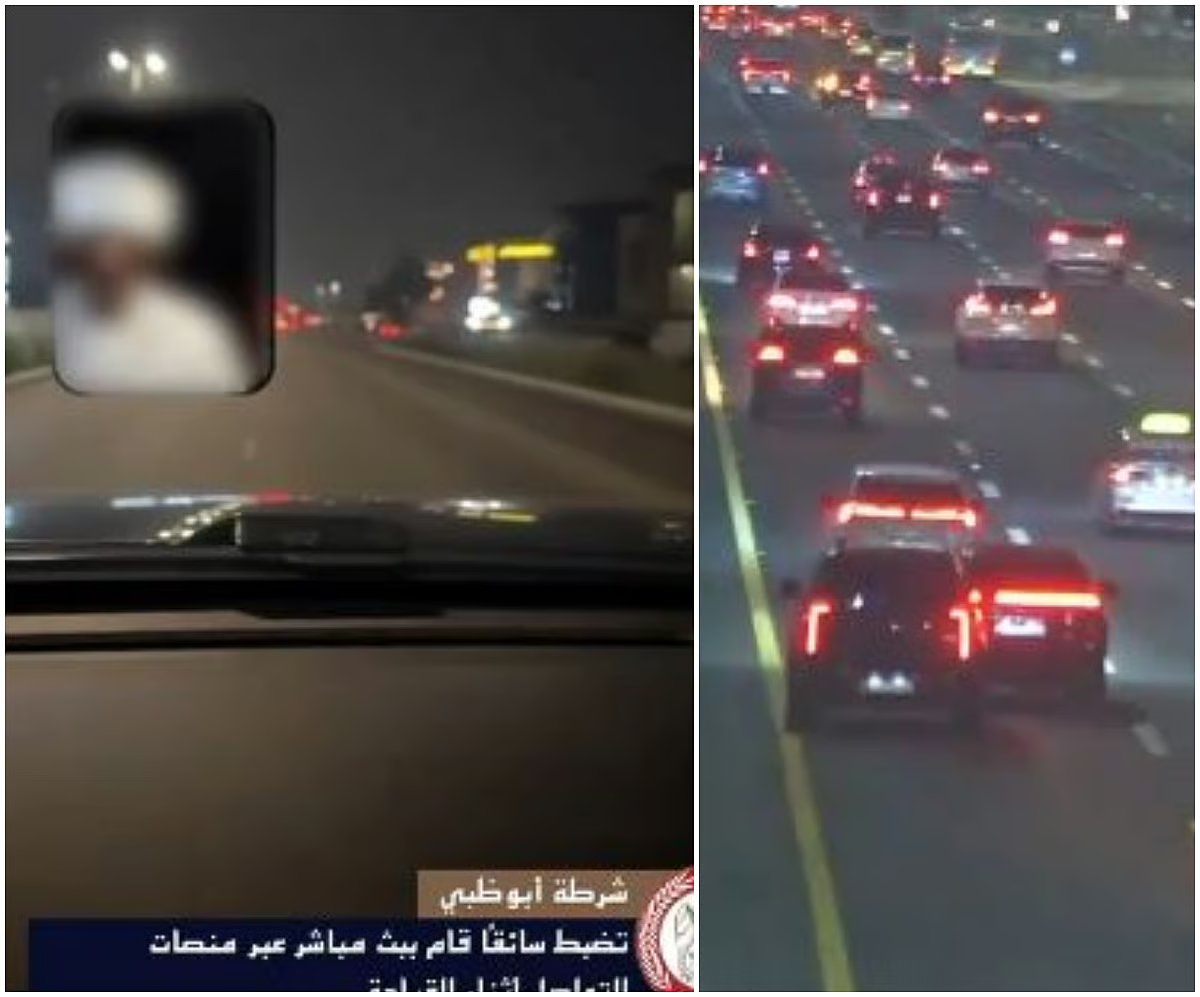

Abu Dhabi Police recently arrested a driver for engaging in a dangerous act: livestreaming on social media while operating a vehicle. This incident highlights the growing concern surrounding distracted driving and its potential for causing serious accidents. The arrest, conducted in coordination with the Monitoring and Control Centre, serves as a stark warning to motorists about the risks associated with using mobile devices while behind the wheel.
The driver was apprehended after being observed weaving through traffic at high speed, utilizing flashing lights and the hard shoulder for overtaking. Authorities shared video evidence of the reckless behavior, which clearly showed the driver focused on their livestream rather than the road. This case underscores the commitment of the Abu Dhabi Police to enforce traffic regulations and prioritize public safety.
The Rising Threat of Distracted Driving in the UAE
Distracted driving is a significant contributor to road accidents globally, and the United Arab Emirates is no exception. According to the UAE Ministry of Interior, mobile phone use, including social media engagement, is a leading cause of inattentive driving. The increasing popularity of platforms like Instagram, TikTok, and Facebook Live has created new avenues for distraction, prompting law enforcement to address the issue proactively.
The dangers of taking your eyes off the road, even for a few seconds, are well-documented. Reaction times are significantly impaired, increasing the likelihood of collisions with other vehicles, pedestrians, or obstacles. This particular incident involved not only livestreaming but also aggressive driving maneuvers, compounding the risk to everyone on the road.
Legal Ramifications and Penalties
Using a mobile phone while driving in the UAE is a violation of traffic laws, carrying substantial penalties. The Traffic Directorate and Security Patrols have confirmed that livestreaming, along with other forms of social media use, falls under this prohibition. Penalties can include hefty fines, black points on the driver’s license, and even vehicle impoundment.
Additionally, in cases of accidents resulting from distracted driving, drivers may face criminal charges and imprisonment. The severity of the penalties often depends on the extent of the damage or injury caused. The UAE government has been steadily increasing the stringency of traffic laws to deter dangerous behaviors and improve road safety.
The recent arrest signals a “zero tolerance” approach to such violations. Police have stated they will actively monitor roads and utilize technology to identify drivers engaging in distracting activities. This includes reviewing social media content and collaborating with the Monitoring and Control Centre to flag potential offenses.
Beyond Legal Action: A Focus on Road Safety Awareness
While enforcement is crucial, authorities also emphasize the importance of raising public awareness about the dangers of distracted driving. Abu Dhabi Police regularly launch campaigns to educate motorists about responsible driving practices and the potential consequences of inattention. These campaigns often utilize social media, ironically, to deliver their message.
The police urge drivers to prioritize safety by refraining from using mobile phones or social media while operating a vehicle. They recommend pulling over to a safe location if a call or message needs to be addressed. This proactive approach aims to foster a culture of responsible driving and reduce the number of preventable accidents.
Furthermore, the issue extends beyond the driver. Passengers also have a role to play in minimizing distractions. Encouraging drivers to focus on the road and offering to handle mobile devices can contribute to a safer journey. The overall goal is to create a collective responsibility for road safety.
The UAE’s commitment to Vision 2021 includes ambitious targets for reducing traffic fatalities. Efforts to combat distracted driving are a key component of achieving these goals. The country has invested heavily in infrastructure improvements and advanced traffic management systems, but human behavior remains a critical factor.
The increasing use of technology in vehicles, such as hands-free calling and integrated navigation systems, presents both opportunities and challenges. While these features can enhance convenience, they can also contribute to distraction if not used responsibly. The focus is shifting towards promoting safe and mindful use of in-car technology.
Looking ahead, Abu Dhabi Police are expected to continue their enforcement efforts and expand their use of technology to detect and deter distracted driving. Further public awareness campaigns are also likely, potentially targeting specific demographics or types of distractions. The effectiveness of these measures will be closely monitored, and adjustments may be made based on data analysis and emerging trends. The long-term impact on road safety statistics remains to be seen, but the current approach signals a firm commitment to addressing this critical issue.