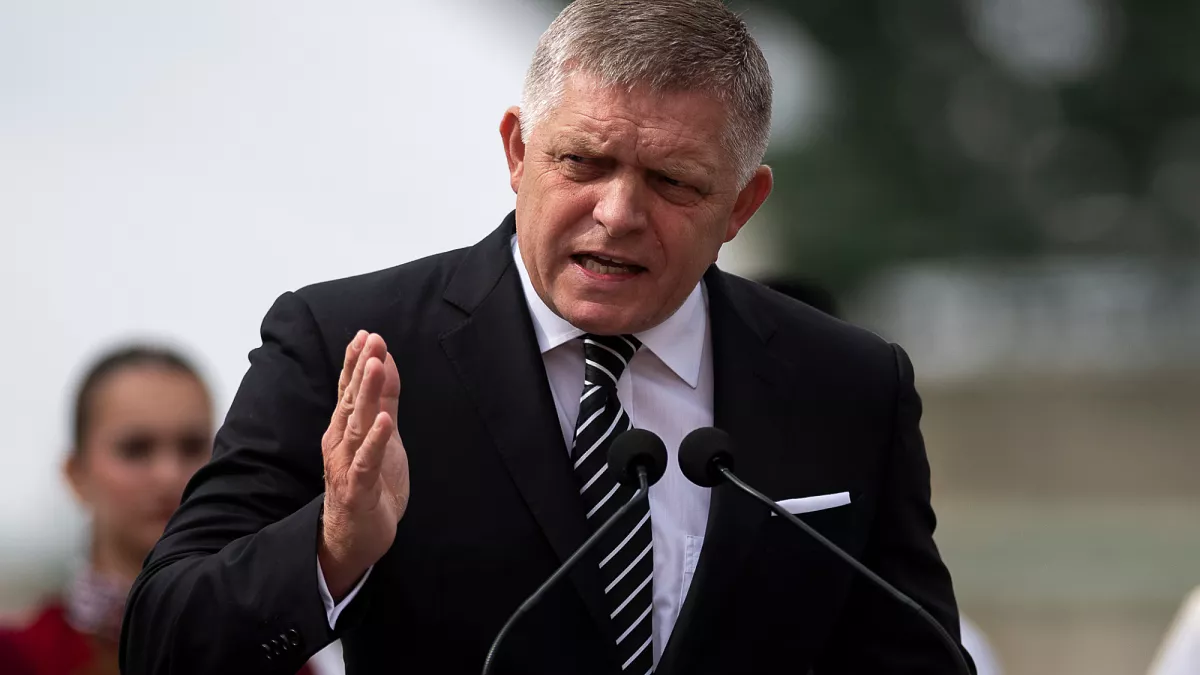

Slovakian Prime Minister Robert Fico is scheduled to meet with former U.S. President Donald Trump at Mar-a-Lago in Florida on Saturday, signaling a potential strengthening of Slovakia-US relations. The meeting comes as both leaders share similar political viewpoints on issues ranging from the war in Ukraine to immigration. Discussions are expected to cover a range of bilateral issues, including a possible multi-billion euro nuclear energy deal.
The meeting, set to take place on January 16, 2026, is being closely watched by European Union officials and analysts, given Fico’s often-critical stance towards EU policies and his alignment with Trump’s “America First” approach. Fico’s government has expressed interest in deepening ties with the United States, particularly in the energy sector. The visit follows a similar meeting between Trump and Hungarian Prime Minister Viktor Orbán last November.
Potential Nuclear Deal Highlights Shifting Alliances
A key topic of conversation is anticipated to be a potential agreement for Slovakia to purchase nuclear reactors from a U.S. company, reportedly Westinghouse. Slovak media outlets estimate the project’s value at between €13 and €15 billion. This move would represent a significant investment in nuclear energy for Slovakia and a major win for U.S. energy exports.
This potential deal mirrors discussions held between Trump and Orbán, who also expressed interest in acquiring U.S. nuclear technology. Both Slovakia and Hungary remain reliant on Russian energy sources, a point of contention within the EU as the bloc seeks to reduce its dependence on Moscow following the invasion of Ukraine. The pursuit of alternative energy sources, like those offered by the U.S., could be a strategic shift for both nations.
Fico’s Political Alignment and US Policy
Fico, despite his socialist background, has consistently voiced opinions that resonate with Trump’s political agenda. He is a vocal critic of illegal immigration and frequently challenges the authority of EU institutions. He also maintains a working relationship with Russian President Vladimir Putin, a factor that adds complexity to his engagement with the U.S. The Council on Foreign Relations provides further background on Slovakia’s geopolitical position.
However, Fico has not always aligned with U.S. foreign policy. He publicly criticized the U.S. military intervention in Venezuela, arguing that such actions undermine international law. He stated that the use of military force without a United Nations Security Council mandate allows powerful nations to pursue their own interests unchecked.
Interestingly, a U.S. national security document released last year argued that the European Union faces a potential “civilisational erasure” if it doesn’t alter its current course. The document advocated for strengthening ties with “patriotic forces” within the EU that oppose policies originating from Brussels. This perspective appears to align with the views of leaders like Fico and Orbán.
The meeting also comes amid ongoing debates about European security and the future of transatlantic relations. The potential for increased Slovakia-US relations could influence the dynamics within the EU, particularly regarding energy policy and approaches to Russia. The discussion of nuclear energy is also relevant in the broader context of the global energy transition and the search for sustainable power sources.
Furthermore, the timing of the meeting, as the U.S. approaches another presidential election, is noteworthy. A potential return of Trump to the White House could solidify any agreements reached and further shape the future of Slovakia-US relations. The outcome of the U.S. election will undoubtedly be a key factor in how these discussions evolve.
Looking ahead, observers will be watching closely for concrete details emerging from the meeting regarding the nuclear energy deal and any other agreements reached. The long-term implications of this strengthened partnership, particularly for the EU’s energy security and geopolitical landscape, remain to be seen. Continued monitoring of developments in Slovakia-US relations will be crucial for understanding the evolving dynamics of European politics and international security.
Stay informed on this developing story and its potential impact on global affairs by following reputable news sources and analysis.