






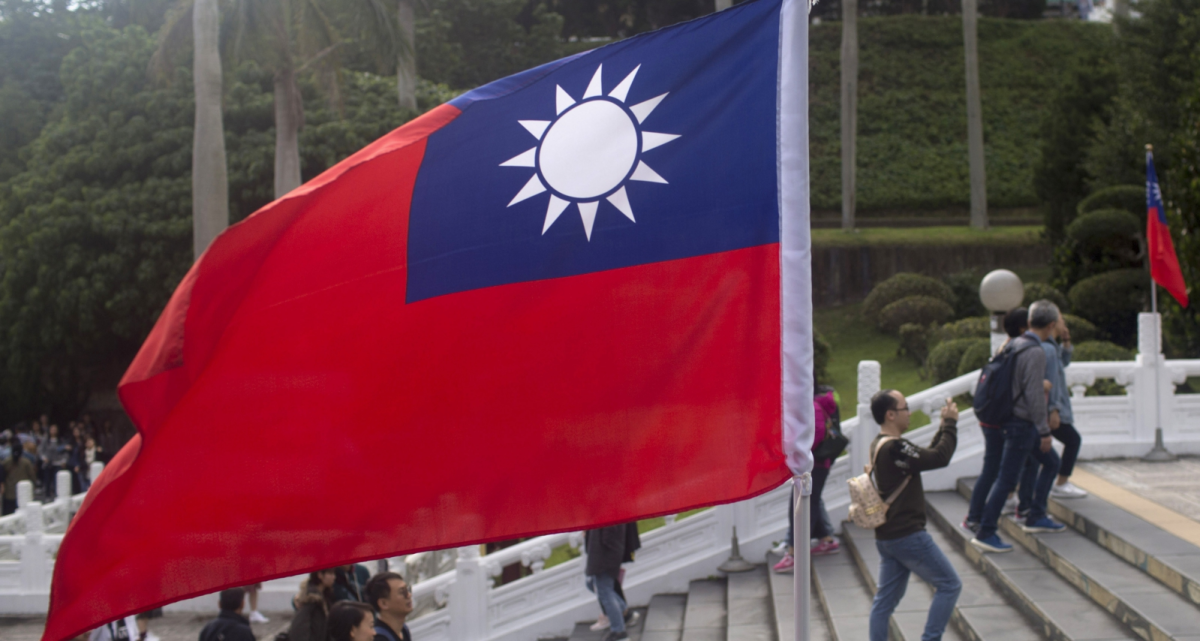

The United States and Taiwan have formalized a significant trade agreement aimed at bolstering domestic semiconductor manufacturing. Announced Thursday by the U.S. Department of Commerce, the deal commits Taiwanese companies to $250 billion in direct investments within the American semiconductor industry, alongside an additional $250 billion in credit guarantees. This move underscores the growing importance of securing supply chains for critical technologies.
The agreement, reached between the Trump administration and Taiwan, focuses on investments spanning semiconductors, artificial intelligence, and energy production. It comes on the heels of a presidential proclamation highlighting the national security risks associated with the U.S.’s reliance on foreign sources for these essential components. The timing suggests a concerted effort to reshape the global tech landscape.
Boosting U.S. Semiconductor Production: A Strategic Imperative
The U.S. currently produces only approximately 10% of the world’s semiconductors, a figure the administration deems insufficient for both economic stability and national defense. This dependence on overseas manufacturing, particularly in Taiwan which controls over half of global production, creates vulnerabilities to geopolitical events and supply chain disruptions. The new trade deal is a direct response to these concerns.
According to the U.S. Department of Commerce, the Taiwanese investment will focus on increasing production capacity and fostering innovation within the American semiconductor ecosystem. This includes funding for research and development, as well as the construction of new fabrication facilities, often called “fabs.” The goal is to create a more resilient and competitive domestic industry.
Addressing Supply Chain Risks
The global semiconductor shortage experienced in recent years, particularly during the COVID-19 pandemic, exposed the fragility of international supply chains. This shortage impacted numerous industries, from automotive to consumer electronics, and underscored the need for diversification and domestic production. The agreement with Taiwan is a key element in the U.S. strategy to mitigate these risks.
However, the deal isn’t solely about addressing vulnerabilities. It also aims to position the U.S. as a leader in next-generation technologies, including advanced AI chips. The recent proclamation imposing tariffs on certain AI chips, while intended to limit exports to potential adversaries, also signals a desire to incentivize domestic production of these strategically important components.
In return for the Taiwanese investment, the U.S. has pledged to invest in Taiwan’s key industries, including semiconductors, defense, AI, telecommunications, and biotechnology. The specific dollar amount allocated to the U.S. side of the agreement was not disclosed in the initial announcement. This reciprocal investment is intended to strengthen the overall economic relationship between the two nations.
The announcement of the trade deal follows years of discussion regarding the need to onshore semiconductor manufacturing. Previous administrations have also expressed concerns about the concentration of production in a limited number of geographic locations. The current agreement represents a significant step towards realizing the goal of a more geographically diverse and secure supply chain.
The U.S. government is also incentivizing domestic semiconductor production through the CHIPS and Science Act, signed into law in 2022. This legislation provides billions of dollars in subsidies and tax credits to companies that build, expand, or modernize semiconductor facilities in the United States. The trade deal with Taiwan is expected to complement the CHIPS Act, attracting additional foreign investment and expertise.
The tariffs announced alongside the trade deal, specifically the 25% levy on some advanced AI chips, are designed to further encourage domestic production and limit the flow of sensitive technology to countries of concern. The administration indicated that additional tariffs on semiconductors may be implemented following the completion of trade negotiations with other nations. This suggests a broader strategy of using trade policy to reshape the global semiconductor landscape.
While the agreement is a positive development for the U.S. semiconductor industry, several challenges remain. Building new fabrication facilities is a complex and expensive undertaking, requiring significant time and expertise. Furthermore, attracting and retaining a skilled workforce will be crucial for the long-term success of the effort. The availability of skilled labor is a key factor in the growth of the technology sector.
The long-term impact of the deal will also depend on the broader geopolitical context. Tensions between the U.S. and China, particularly regarding Taiwan’s status, could potentially disrupt the flow of investment and trade. Maintaining a stable and predictable international environment will be essential for fostering continued growth in the semiconductor industry.
Looking ahead, the focus will shift to the implementation of the agreement and the tracking of investment flows. The U.S. Department of Commerce is expected to provide further details on the specific projects and timelines associated with the Taiwanese investments. The success of this initiative will be measured by its ability to increase domestic semiconductor production capacity, enhance supply chain resilience, and promote innovation in critical technologies. The next key step involves establishing clear metrics for evaluating the deal’s effectiveness and ensuring accountability. The ongoing monitoring of global chip demand and supply will also be crucial.
The administration has not provided a firm deadline for achieving its goals, acknowledging that rebuilding a domestic semiconductor industry will be a multi-year process. However, the commitment of significant investment from Taiwan represents a substantial down payment on that future. The impact on the broader electronics industry remains to be seen.