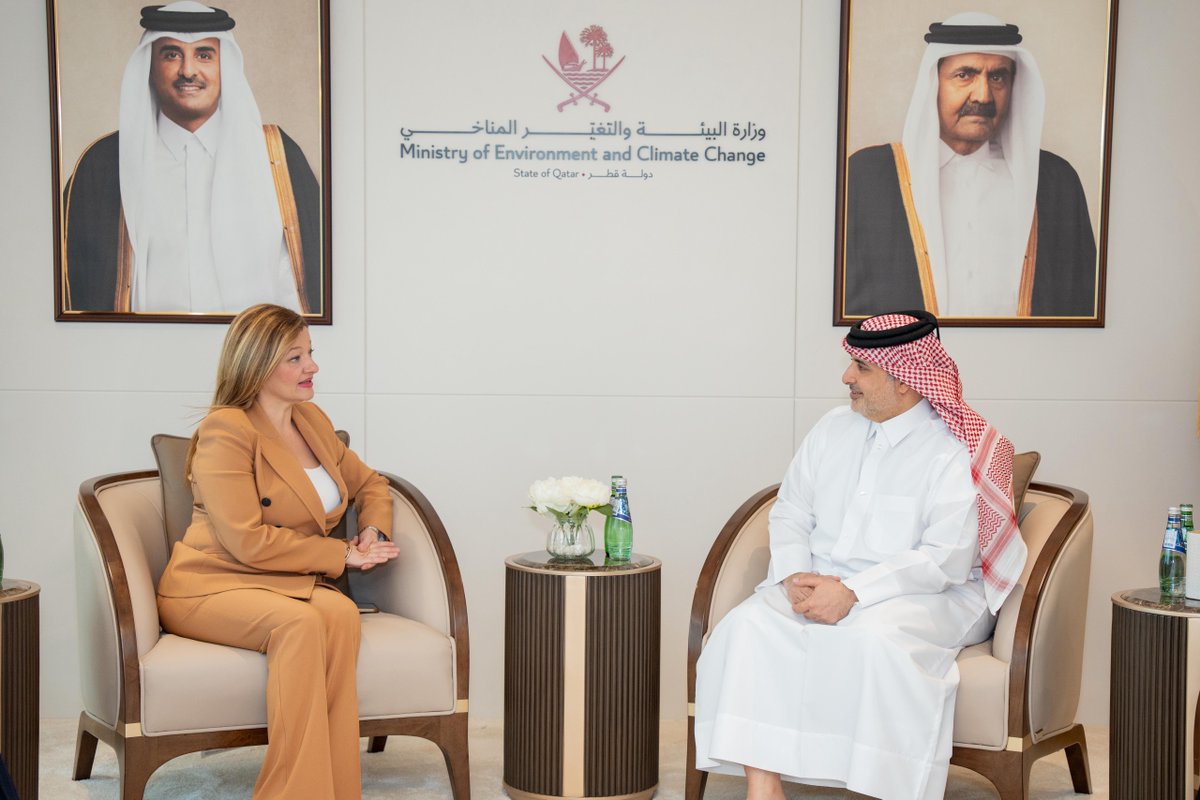

Qatar and Greece convened to discuss collaborative strategies for addressing pressing climate change concerns and bolstering environmental protection efforts. The meeting, held recently, brought together Qatar’s Minister of Environment and Climate Change, Dr. Abdullah bin Abdulaziz bin Turki Al Subaie, and Hellenic Parliament member Dr. Dionysia-Theodora Avgerinopoulou. Discussions centered on shared interests and potential partnerships in tackling global environmental challenges.
The meeting took place as both nations increasingly prioritize sustainability and seek international cooperation to mitigate the effects of a warming planet. According to a statement released by the Peninsula Qatar, the officials exchanged perspectives on the mechanisms for confronting these challenges, signaling a commitment to proactive environmental policy. This dialogue underscores the growing importance of regional and international collaboration in the face of widespread ecological issues.
Strengthening Qatar’s International Climate Change Partnerships
Qatar has been actively pursuing international partnerships to enhance its environmental initiatives, particularly in the realm of climate change. The country has pledged to reduce greenhouse gas emissions and invest in renewable energy sources as part of its National Environment and Climate Change Strategy. This meeting with Greece represents a further step in solidifying these commitments through shared knowledge and potential joint projects.
The discussions likely encompassed areas such as carbon capture technologies, sustainable development practices, and the implementation of policies aligned with the Paris Agreement. Both Qatar and Greece are signatories to the agreement, demonstrating a shared dedication to limiting global warming. Additionally, the officials probably explored opportunities for cooperation in areas like marine conservation and desertification prevention, given the unique environmental challenges faced by each country.
Focus on Environmental Challenges
Global environmental challenges, including rising temperatures, extreme weather events, and biodiversity loss, were central to the conversation. The officials acknowledged the interconnected nature of these issues and the need for a coordinated global response. The meeting provided a platform to share national strategies and identify areas where collaborative efforts could yield the most significant results.
Qatar, as a major energy producer, is also investing in technologies to reduce the environmental impact of its industry. This includes exploring methods for cleaner energy production and promoting energy efficiency. Greece, with its extensive coastline and reliance on tourism, has a strong interest in protecting its marine ecosystems and mitigating the effects of coastal erosion, making it a valuable partner in these areas.
The potential for knowledge transfer in areas like renewable energy and sustainable agriculture was also likely discussed. Greece has made significant strides in developing solar and wind energy, while Qatar is exploring innovative solutions for water conservation and food security in arid environments. This exchange of expertise could benefit both nations in their pursuit of environmental sustainability.
Furthermore, the meeting touched upon the importance of international frameworks for addressing environmental concerns. The officials likely discussed the upcoming COP29 climate summit and the need for continued momentum in implementing the goals of the Paris Agreement. Effective environmental policy requires a unified global approach, and Qatar and Greece appear aligned in this regard.
The collaboration between Qatar and Greece extends beyond environmental sustainability to include broader economic and political ties. Strengthening these relationships can create a more stable and cooperative environment for addressing shared challenges. This meeting is indicative of a growing trend towards multilateralism in tackling global issues.
Looking ahead, the next step will likely involve the formation of joint working groups to explore specific areas of cooperation identified during the meeting. The timeline for these initiatives remains uncertain, as it will depend on further discussions and resource allocation. Observers will be watching for concrete outcomes from this dialogue, such as joint research projects or the implementation of pilot programs focused on climate resilience and environmental protection.