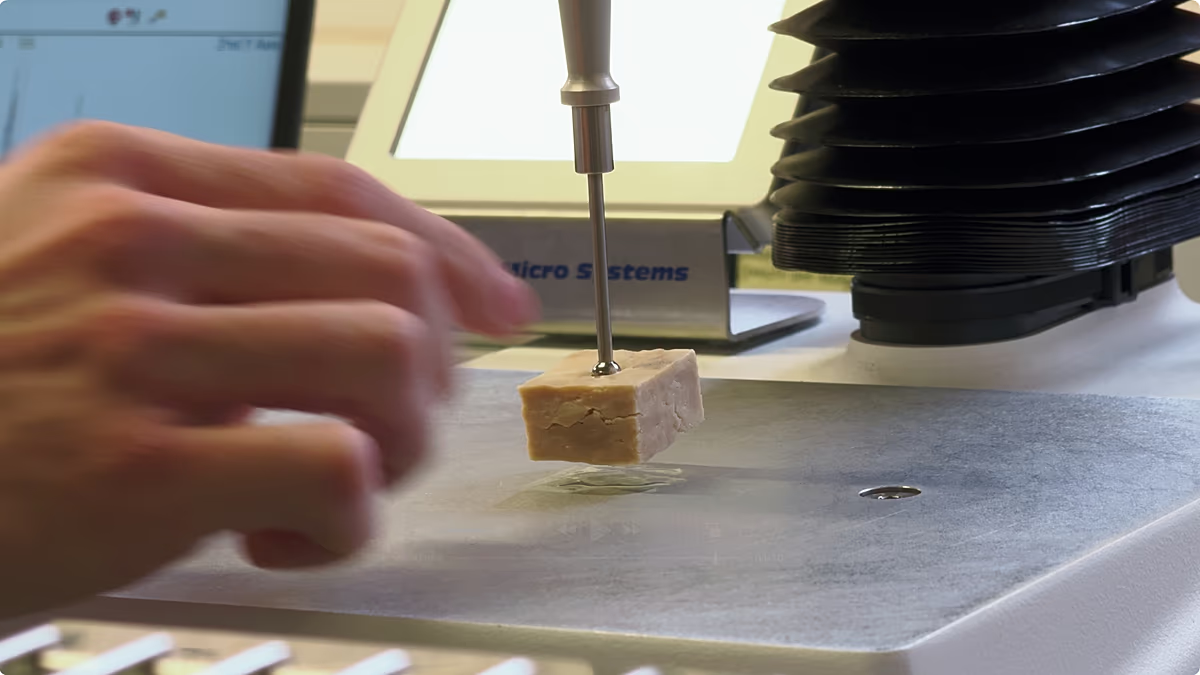

Leipzig, Germany is emerging as a hub for innovative food technology, with companies like Pacifico Biolabs leading the charge in mycoprotein production. The Scottish-founded startup is developing meat substitutes derived from mushroom cultures, aiming to address growing global protein demands and food security concerns. Pacifico Biolabs is leveraging regional, national, and European funding to scale its production and contribute to Europe’s position in future food technologies.
The company, founded by Zac Austin and biochemical inventor Washington Vintimilla, is focused on creating vegan alternatives that closely mimic the texture and taste of traditional meat products. Their work is particularly relevant given projections of significant declines in global crop yields due to climate change, as highlighted by researchers at the Intergovernmental Panel on Climate Change. This new approach to protein production could offer a more sustainable and resilient food system.
The Rise of Mycoprotein and Alternative Proteins
Mycoprotein, a protein derived from fungi, is gaining traction as a viable solution to the environmental and ethical concerns associated with conventional animal agriculture. Compared to traditional livestock farming, fungal protein production requires significantly less land, water, and energy. This efficiency is crucial as the world population continues to grow and the demand for protein increases.
Pacifico Biolabs’ breakthrough lies in transforming mycelial fibers – the root structure of mushrooms – into realistic meat substitutes. According to the company, they can produce the equivalent protein of a real chicken in just one day, a stark contrast to the 60 days required for a chicken to reach maturity. This rapid production cycle is a key advantage in addressing immediate protein shortages.
Expanding the Product Line
The company’s technology isn’t limited to chicken alternatives. Food technician Pau Oller Armengol explains that the process can be adapted to create vegan versions of fish, pork, and other meats. This versatility positions Pacifico Biolabs to cater to a broad range of consumer preferences and dietary needs.
The focus on texture is paramount. Vintimilla emphasizes that replicating the mouthfeel of real meat is essential for consumer acceptance of these products. This requires sophisticated biochemical processes and a deep understanding of food science principles.
The location in Leipzig’s Bio-City provides a supportive ecosystem for biotech startups. The area benefits from a concentration of research institutions, funding opportunities, and a skilled workforce. This collaborative environment fosters innovation and accelerates the development of new technologies in the alternative protein sector.
However, scaling up production of mycoprotein presents challenges. Maintaining consistent quality, reducing production costs, and navigating regulatory hurdles are all critical steps for widespread adoption. Consumer perception and acceptance of these novel food products also remain important factors.
The implications of this technology extend beyond simply providing alternative protein sources. By decoupling food production from land use and climate dependency, companies like Pacifico Biolabs are contributing to a more sustainable and secure food future. This is particularly important for regions vulnerable to climate change and food insecurity.
Looking ahead, Pacifico Biolabs plans to continue refining its production processes and expanding its product portfolio. The company is also focused on securing further funding to support its growth and bring its mycoprotein products to market. The success of this venture, and others like it, will be crucial in determining whether alternative proteins can truly meet the world’s growing demand for sustainable food.
Consumers interested in learning more about the benefits of alternative proteins and supporting companies like Pacifico Biolabs can explore resources from organizations dedicated to sustainable food systems and research into innovative food technologies.