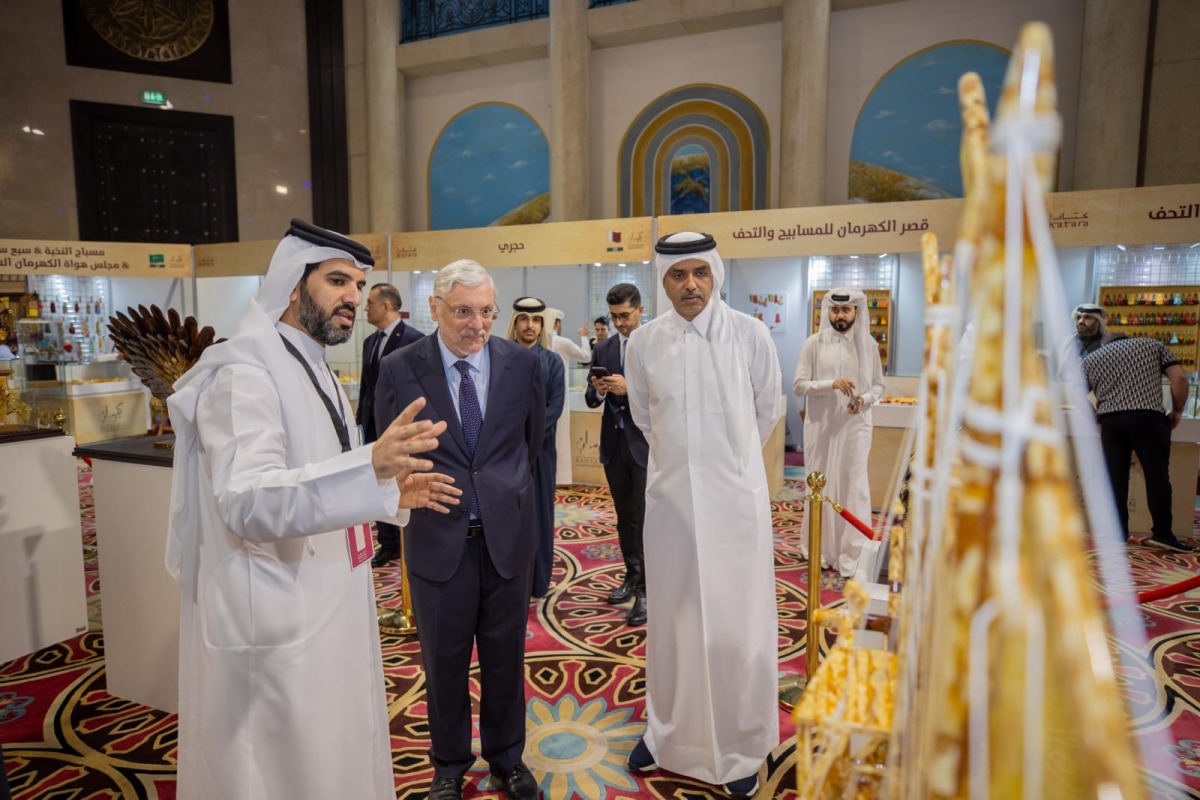

The Katara International Amber Exhibition 2026 concluded today in Doha, Qatar, marking the end of a successful event that drew significant crowds and praise from both exhibitors and attendees. The exhibition, held at the Katara Cultural Village, showcased a diverse collection of amber pieces, from raw materials to intricately crafted jewelry and rosaries. The event highlighted Qatar’s growing role as a cultural hub in the Middle East and a destination for specialized collectible markets.
The exhibition ran from January 12th to 16th, 2026, and featured participants from across the Gulf region and beyond. Organizers reported a high level of engagement from the public, with visitors expressing particular interest in rare and antique amber specimens. The event’s success underscores the enduring appeal of this ancient gemstone and the growing appreciation for its artistic and historical value.
A Showcase of Amber’s Rich History and Artistry
Amber, fossilized tree resin, has been prized for millennia for its beauty, perceived protective qualities, and use in creating decorative objects. The Katara exhibition provided a platform for showcasing the diverse origins and styles of amber craftsmanship. Exhibitors presented pieces from various regions known for amber production, including the Baltic Sea, the Dominican Republic, and Oman, each with unique characteristics and coloring.
Exhibitor Perspectives
Ahmed Ashkanani, owner of the Kuwait-based “Shajari” shop, emphasized his focus on antique amber and its preservation as a heritage material. He noted the exhibition’s importance for networking with fellow enthusiasts and expanding his business within the Gulf and Arab countries. Ashkanani, a returning exhibitor, praised the Katara Cultural Village’s organization and support for participants.
Meanwhile, Dr. Hani Fayez Hamad of “Al-Massa Al-Haditha Trading” highlighted the quality and distinction of the exhibits as a key measure of success. His booth featured a curated collection of precious stones and genuine amber, including antique Omani stones set in silver and wood, and pieces enhanced with rare Belgian accessories. He noted the increasing demand for unique and high-quality amber pieces.
Growing Interest in Collectible Stones
The exhibition reflects a broader trend of growing interest in collectible stones and heritage materials across the region. Experts suggest this is driven by a combination of factors, including increased disposable income, a desire to connect with cultural traditions, and the perceived investment value of rare gemstones. The demand for rosaries, particularly those crafted with antique amber, was notably high.
Additionally, the event served as a valuable opportunity for education about amber, its formation, and its historical uses. Many visitors were keen to learn about the different types of amber, the methods used to identify genuine pieces, and the proper care and preservation techniques. This educational aspect contributed to the exhibition’s overall appeal and fostered a deeper appreciation for the material.
The Katara International Amber Exhibition also showcased the intersection of traditional craftsmanship and modern design. Several exhibitors presented innovative pieces that incorporated amber with contemporary materials and techniques, appealing to a wider range of tastes. This blend of old and new demonstrated the versatility of amber as an artistic medium.
Looking ahead, the Katara Cultural Village has not yet announced dates for the 2027 exhibition. However, given the consistent success and positive feedback from exhibitors and attendees, another iteration is highly anticipated. Future events may explore expanding the scope to include other related gemstones and heritage crafts, further solidifying Katara’s position as a leading cultural destination. The continued growth of the amber market in the region will be a key factor in determining the exhibition’s future direction.
The organizers will likely assess visitor numbers and exhibitor feedback to refine the event’s format and offerings. Potential areas for development include increased marketing efforts to attract international collectors and the introduction of workshops or demonstrations on amber craftsmanship. The timing of the announcement will depend on logistical planning and the overall cultural calendar of Katara.