
The European Union is poised to enact a new round of Iran sanctions targeting those involved in the suppression of protests, as diplomatic efforts continue to de-escalate tensions in the region. EU ambassadors have been working diligently to finalize the measures, while separate lobbying from Gulf states aimed to dissuade potential military action by the United States. This comes amid a busy week for European diplomacy, including the anticipated signing of the EU-Mercosur trade agreement and presidential elections in Portugal.
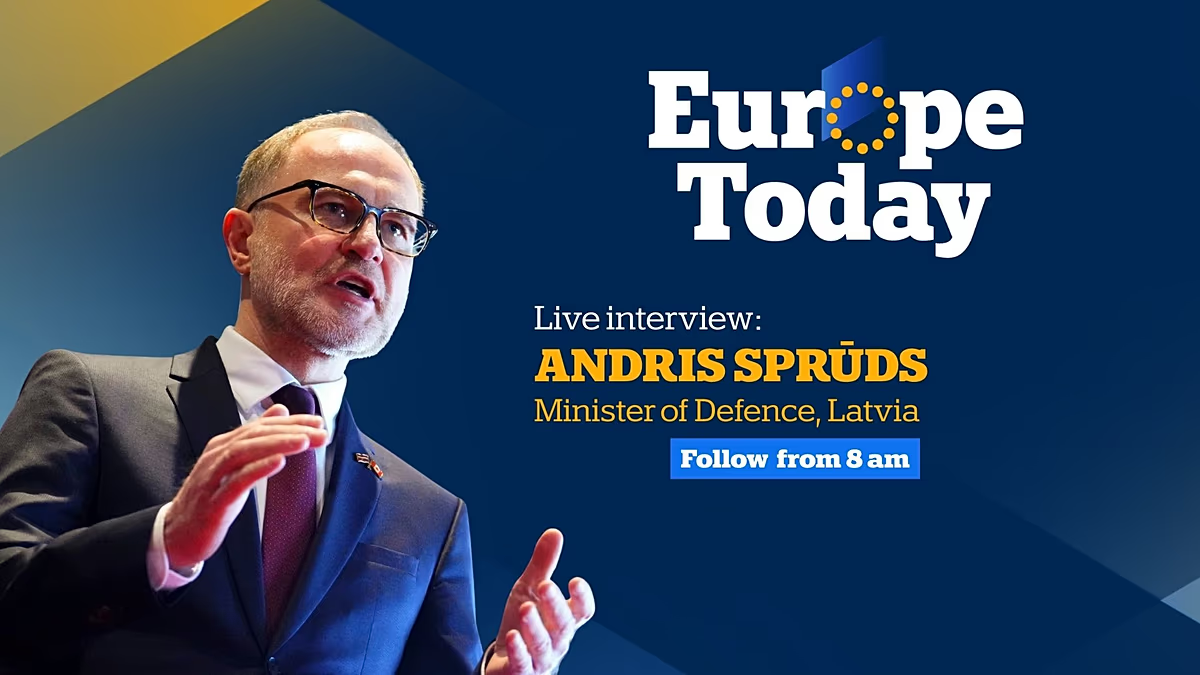
These developments were highlighted on Euronews’ “Europe Today” program, with reporting from Shona Murray and a live interview with Latvian Minister for Defence, Andris Sprūds. The program also covered preparations for the EU-Mercosur signing, with analysis from EU Editor Maria Tadeo, and provided insights into the Portuguese presidential election from reporter Jakub Janas. “Europe Today” airs weekdays with Méabh Mc Mahon and Maria Tadeo, and is also available as a newsletter and podcast.
New Iran Sanctions on the Horizon
The forthcoming Iran sanctions are a direct response to the ongoing crackdown on protestors following widespread demonstrations sparked by social and political grievances. According to sources within the EU, the sanctions will target individuals and entities responsible for human rights abuses and the suppression of dissent. This action underscores the EU’s commitment to upholding human rights and its condemnation of violence against peaceful protestors.
Meanwhile, a concerted diplomatic effort was underway to prevent further escalation. Saudi Arabia, Qatar, Turkey, and Oman reportedly engaged in last-minute lobbying with Donald Trump, urging him to refrain from launching airstrikes against Iran. This intervention highlights the regional concerns surrounding a potential military conflict and the desire for a peaceful resolution to the existing tensions. The situation remains fluid, with the potential for further shifts in policy and diplomatic maneuvering.
EU-Mercosur Trade Deal Nears Completion
In a separate but significant development, the EU and Mercosur are preparing to formally sign a long-negotiated trade agreement in Paraguay. President of the Council Antonio Costa and European Commission President Ursula von der Leyen will travel to Paraguay for the ceremony, following talks with Brazilian President Lula. The agreement aims to eliminate tariffs on a wide range of goods, boosting trade between the two blocs.
The signing of the EU-Mercosur agreement represents a major step forward in the EU’s trade agenda, particularly after years of stalled negotiations. However, the deal has faced criticism from environmental groups concerned about the potential impact on deforestation in the Amazon rainforest. The EU has stated that the agreement includes robust environmental safeguards, but concerns persist. More information on the EU-Mercosur agreement can be found on the European Parliament website.
Portugal Presidential Election: A Key Vote
Portugal is heading to the polls this Sunday for presidential elections. Euronews has published an exclusive poll indicating the current frontrunner, though the race remains competitive. The election is considered crucial as the President holds significant powers, including the ability to dissolve parliament and call for new elections.
The outcome of the Portuguese presidential election could have implications for the country’s political stability and its approach to key policy issues. Reporter Jakub Janas provides further context on the importance of these votes and the key candidates vying for the presidency. The election is being closely watched across Europe as a barometer of political sentiment in the region.
Looking ahead, the coming days will be critical for both the Iran situation and the implementation of the EU-Mercosur trade agreement. The effectiveness of the new Iran sanctions will be closely monitored, as will the response from Tehran. Furthermore, the details of the environmental safeguards within the EU-Mercosur deal will be scrutinized. For continued coverage of these and other developing stories, visit the Euronews website.