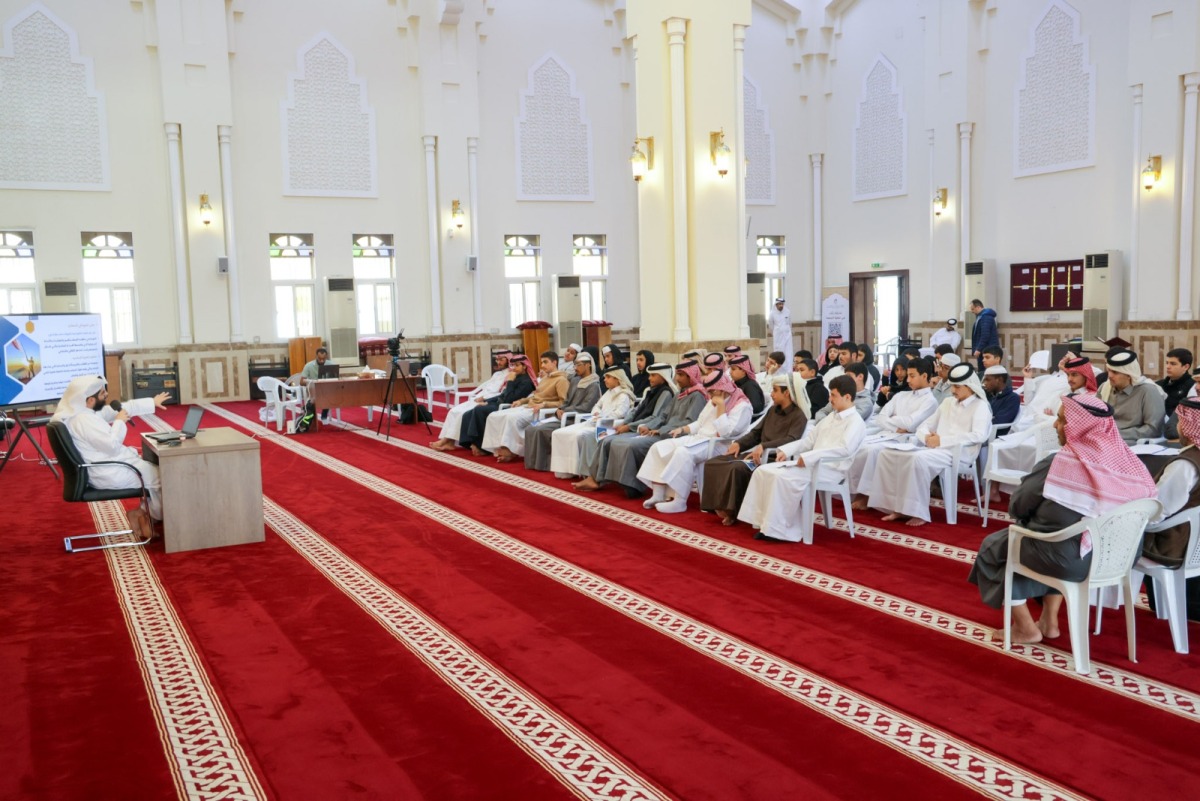

Doha, Qatar – The Ministry of Awqaf and Islamic Affairs recently concluded its second annual “Knowledge Grounding” seminar, focusing on the crucial topic of Islamic identity in a rapidly evolving global landscape. The three-day event, held from January 12-14, 2026, drew approximately 400 high school students from across Qatar, marking a significant increase in participation and scope from its inaugural edition. This year’s seminar notably included female secondary schools for the first time.
The seminar took place across three prominent mosques – Imam Muhammad bin Abdul Wahhab Mosque in Doha, Nasser bin Abdullah Al Missned Mosque in Al Khor, and Qanbar Al Ansari Mosque in Al Wakra. Attendees received around 800 publications from the Islamic Research and Studies Department, providing supplementary resources to the seminar’s discussions. The initiative represents a concerted effort to bolster religious understanding and cultural awareness among Qatari youth.
Strengthening Islamic Identity in a Modern World
Sheikh Dr. Ahmed Al Thani emphasized the importance of reinforcing Islamic identity as a cornerstone of intellectual and societal progress. According to the Sheikh, a strong sense of self, rooted in religious and cultural values, is particularly vital in navigating the challenges presented by globalization and rapid societal shifts. The ministry believes that fostering this understanding is essential for responsible citizenship and preserving Qatar’s heritage.
The seminar’s curriculum was designed to address contemporary issues and their impact on faith and tradition. Discussions centered on how to reconcile core Islamic principles with the demands of modern life, promoting critical thinking and a balanced worldview. This approach aimed to equip students with the tools to confidently engage with diverse perspectives while remaining grounded in their beliefs.
Participant Feedback and Key Takeaways
Feedback from participants was overwhelmingly positive, with students reporting a broadened understanding of Islamic identity and its relevance in the 21st century. Many highlighted the seminar’s balanced academic approach and interactive discussion format as particularly effective. The ability to connect historical teachings with present-day realities resonated strongly with the young audience.
Students also expressed that the seminar fostered a sense of pride in their religious and cultural heritage. They noted that the discussions encouraged self-awareness and critical evaluation of both internal beliefs and external influences. This focus on internal reflection is a key component of developing a resilient and informed religious conviction.
Furthermore, participants appreciated the opportunity to explore the complexities of cultural preservation in a globalized world. The seminar provided a platform to discuss how to maintain authenticity while embracing positive aspects of other cultures. This nuanced perspective is increasingly important as Qatar continues to play a prominent role on the international stage.
The Ministry of Awqaf and Islamic Affairs has long been committed to promoting Islamic values and intellectual development within the Qatari community. This seminar builds upon existing programs designed to educate and empower youth, ensuring they are well-prepared to contribute to the nation’s future. The ministry views education as a vital tool for safeguarding cultural identity and fostering social cohesion.
Looking ahead, the Ministry of Awqaf and Islamic Affairs plans to evaluate the seminar’s impact through post-event surveys and feedback sessions. The results will inform the development of future initiatives, potentially expanding the scope to include university students and broader community engagement. A timeline for the release of the evaluation findings has not yet been announced, but officials indicated a report is expected by the end of the first quarter of 2026.
The continued success of programs like “Knowledge Grounding” will likely depend on securing ongoing funding and maintaining strong collaboration between the Ministry of Awqaf and Islamic Affairs and the Ministry of Education and Higher Education. Monitoring the evolving needs and interests of Qatari youth will also be crucial in ensuring the relevance and effectiveness of these initiatives.