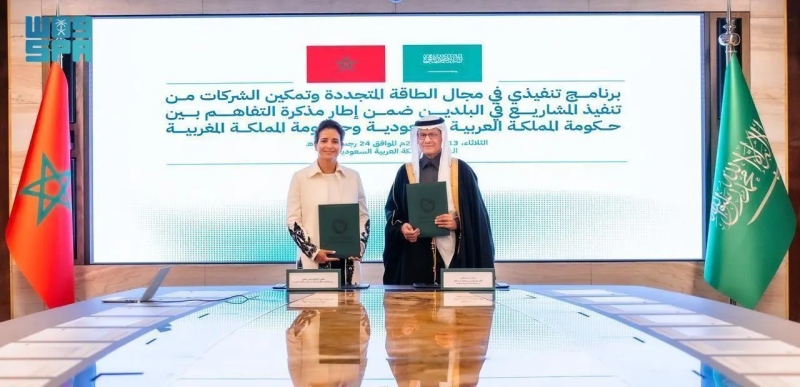

Saudi Arabia and Morocco are deepening their collaboration in the renewable energy sector, signing an executive program to facilitate joint projects and investment. The agreement, formalized in Riyadh on Thursday, builds upon a broader memorandum of understanding established in May 2022. This partnership aims to bolster both nations’ energy transitions and explore opportunities in regional and international markets.
The program was signed by Saudi Minister of Energy Prince Abdulaziz bin Salman and Morocco’s Minister of Energy Transition and Sustainable Development Dr. Leila Benali. Discussions centered on mutual interests in sustainable energy development, energy efficiency initiatives, and the potential for increased cooperation between national energy companies. The move signals a continued commitment to diversifying energy sources and reducing reliance on fossil fuels in both countries.
Strengthening Bilateral Ties Through Renewable Energy Cooperation
The newly signed executive program outlines a framework for enhanced collaboration across multiple facets of the renewable energy landscape. It specifically focuses on enabling companies from Saudi Arabia and Morocco to jointly develop and implement projects within each other’s territories. This includes a focus on areas like solar, wind, and potentially other emerging renewable technologies.
Key Areas of Collaboration
The program’s scope extends beyond simply building power plants. It encompasses a comprehensive approach to renewable energy infrastructure, according to a statement released by the Saudi Ministry of Energy. This includes:
Renewable power generation: Joint ventures and technology sharing in the development of new renewable energy facilities.
Energy storage: Collaboration on battery technology and other energy storage solutions to address the intermittency of renewable sources.
Grid integration and development: Working together to modernize and expand electricity grids to accommodate increased renewable energy capacity.
Additionally, the agreement prioritizes the integration of renewable energy into broader development and infrastructure projects. This suggests a move towards incorporating sustainable energy solutions into urban planning, transportation, and other key sectors. The initiative also aims to foster research and development, establishing centers dedicated to advancing renewable energy technologies and building local expertise.
Morocco has been a regional leader in renewable energy, particularly in solar power, with projects like the Noor Ouarzazate complex. Saudi Arabia, meanwhile, is investing heavily in diversifying its energy mix as part of its Vision 2030 plan, which includes ambitious targets for renewable energy capacity. This partnership allows both countries to leverage their respective strengths and accelerate their transitions.
The agreement also opens doors for collaboration in “third markets,” indicating a potential for Saudi and Moroccan companies to jointly bid on and develop renewable energy projects in other countries. This could be particularly relevant in Africa and the Middle East, regions with significant renewable energy potential and growing energy demand. Experts suggest this collaborative approach could enhance competitiveness and facilitate access to new opportunities.
The move aligns with global efforts to combat climate change and promote sustainable development. Both Saudi Arabia and Morocco are signatories to the Paris Agreement and have pledged to reduce their carbon emissions. Increased investment in renewable energy is a crucial component of meeting these commitments. The partnership also reflects a broader trend of increased South-South cooperation in the energy sector.
While the specific financial details of the program were not disclosed, the ministry indicated that it is expected to attract significant investment from both public and private sectors. The success of the program will likely depend on streamlining regulatory processes and creating a favorable investment climate in both countries. Further details regarding project selection and implementation timelines are anticipated in the coming months.
The development of renewable energy sources is also linked to broader economic diversification goals in both nations. Saudi Arabia is seeking to reduce its dependence on oil revenues, while Morocco aims to become a regional hub for green technology and sustainable industries. This collaboration in energy transition could create new jobs and stimulate economic growth in both countries.
Looking ahead, the next step involves the formation of joint working groups to develop detailed implementation plans for each area of cooperation. These groups will be responsible for identifying specific projects, establishing timelines, and addressing any potential challenges. A key indicator of the program’s success will be the number of concrete projects launched within the next year. The long-term impact on regional energy security and the global shift towards sustainable energy remains to be seen, but this partnership represents a significant step forward.