






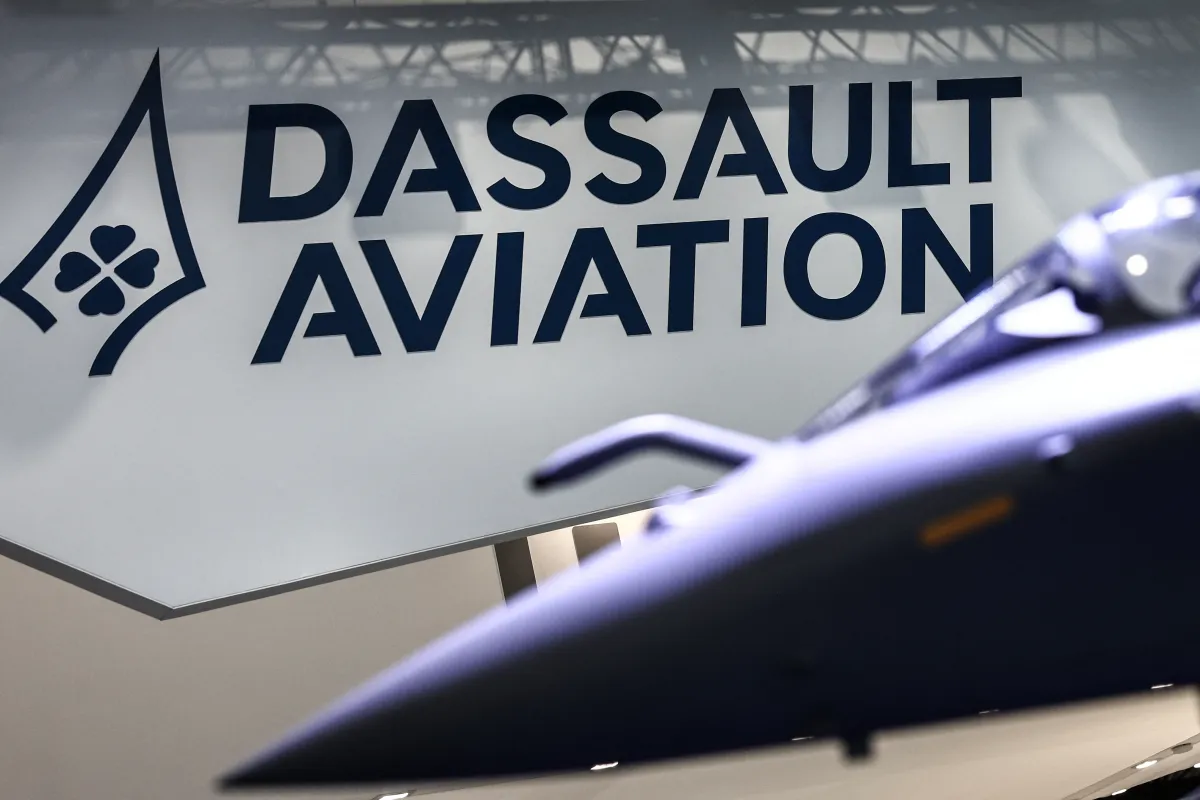

The landscape of defense technology is rapidly evolving, and French startup Harmattan AI is at the forefront of this change. The company, specializing in defense technology, recently secured $200 million in Series B funding led by Dassault Aviation, bringing its valuation to $1.4 billion. Founded in 2024, Harmattan AI develops autonomy and mission-system software for defense aircraft, quickly gaining traction with key government contracts and partnerships.
This latest investment follows earlier seed and Series A rounds, totaling $42 million, and signals a significant vote of confidence in the company’s ability to deliver advanced artificial intelligence solutions to the defense sector. The funding will be used to scale manufacturing and expand its product offerings, particularly in areas like drone interception and intelligence gathering. The company has already demonstrated its capabilities with contracts from NATO governments and partnerships with Ukrainian drone manufacturers.
Harmattan AI: A Rising Force in Defense Technology
Harmattan AI’s rapid ascent reflects a growing demand for innovative defense solutions, particularly in light of recent geopolitical events. The war in Ukraine has highlighted the critical role of drones and the need for effective countermeasures, creating a favorable environment for companies like Harmattan AI. According to the company, the funding will allow it to address these emerging needs and bolster the capabilities of allied forces.
Strategic Partnership with Dassault Aviation
The lead investment from Dassault Aviation, renowned for its Rafale fighter jet, is more than just financial. It establishes a strategic partnership focused on integrating Harmattan AI’s embedded AI capabilities into future generations of Dassault aircraft and drones. This collaboration aims to ensure both the sovereignty and scalability of these advanced systems, a key concern for European defense powers. The partnership represents a shift for Harmattan AI, moving it towards collaboration with established defense primes.
Initially, Harmattan AI positioned itself as a disruptor, aiming to challenge traditional defense contractors. However, the company now acknowledges the value of working alongside these “primes” to accelerate the adoption of its technology. This pragmatic approach may prove crucial for navigating the complex procurement processes and regulatory hurdles within the defense industry.
Expanding Capabilities and Global Reach
The new funding will enable Harmattan AI to broaden its product portfolio beyond its initial focus. The company plans to invest in areas such as electronic warfare and Intelligence, Surveillance, and Reconnaissance (ISR) technologies. This expansion is driven by the evolving needs of modern warfare and the desire to offer a comprehensive suite of AI-powered solutions.
While rooted in Europe, Harmattan AI is actively pursuing opportunities in other key markets. The company is expanding its U.S. team and will exhibit at the World Defense Show in Riyadh next month, demonstrating its commitment to serving “the armed forces of liberal democracies and their allies.” This global outlook suggests a potential for significant international growth.
French President Emmanuel Macron publicly lauded the funding announcement, emphasizing its importance for France’s strategic autonomy and the technological superiority of its armed forces. This high-level support underscores the national significance of Harmattan AI’s work and its potential to contribute to France’s defense capabilities.
The company’s co-founder and CEO, Mouad M’Ghari, stated that Harmattan AI is “entering a new phase of scale,” focusing on ramping up manufacturing to meet growing demand. This transition from research and development to large-scale production will be a critical test of the company’s operational capabilities.
Meanwhile, CTO and co-founder Martin de Gourcuff offered a more philosophical perspective, framing Harmattan AI’s mission as a defense of values in a changing world. He expressed concern about the erosion of international order and the need to restore the rule of law, positioning the company’s technology as a tool for achieving this goal. This statement highlights the ethical considerations driving the development of artificial intelligence in the defense industry.
Harmattan AI’s success is part of a broader trend of increased investment in autonomous systems and AI-driven technologies within the defense sector. The need for faster, more accurate, and more resilient defense capabilities is driving demand for these innovative solutions. This trend is expected to continue as geopolitical tensions rise and the nature of warfare evolves.
Looking ahead, the next key milestone for Harmattan AI will be the successful integration of its AI software into Dassault Aviation’s next-generation aircraft. The company will also need to demonstrate its ability to scale manufacturing and deliver on its commitments to NATO governments and other international partners. The ongoing conflict in Ukraine and the broader geopolitical landscape will continue to shape the demand for its technology, making its progress a crucial indicator of the future of defense innovation.