
Doha, Qatar – The Souq Waqif Falcon Hospital is once again providing crucial veterinary care at the 17th Qatar International Falcons and Hunting Festival (Marmi), which is currently underway. The hospital’s on-site clinic offers a comprehensive range of health services for falcons participating in the prestigious event, ensuring the birds are in peak condition for competition. This year’s festival, a significant cultural event in Qatar, draws falconers and enthusiasts from across the region.
Marmi 2024, held in the Marmi area outside Doha, began on January 26th and is scheduled to run through February 17th. The Souq Waqif Falcon Hospital’s presence aims to support falconers and safeguard the health of these valuable birds of prey, a cornerstone of Qatari heritage. The festival features various falconry championships and attracts a large audience interested in the traditional sport.
Supporting Falcon Health at Marmi
Dr. Iqdam Majid Al Karkhi, Director of the Souq Waqif Falcon Hospital, emphasized the importance of preventative care and timely treatment during the festival. The hospital’s services are designed to address common health concerns in falcons and optimize their performance. According to Dr. Al Karkhi, a falcon’s well-being is directly linked to its ability to compete effectively.
Specialized Veterinary Services
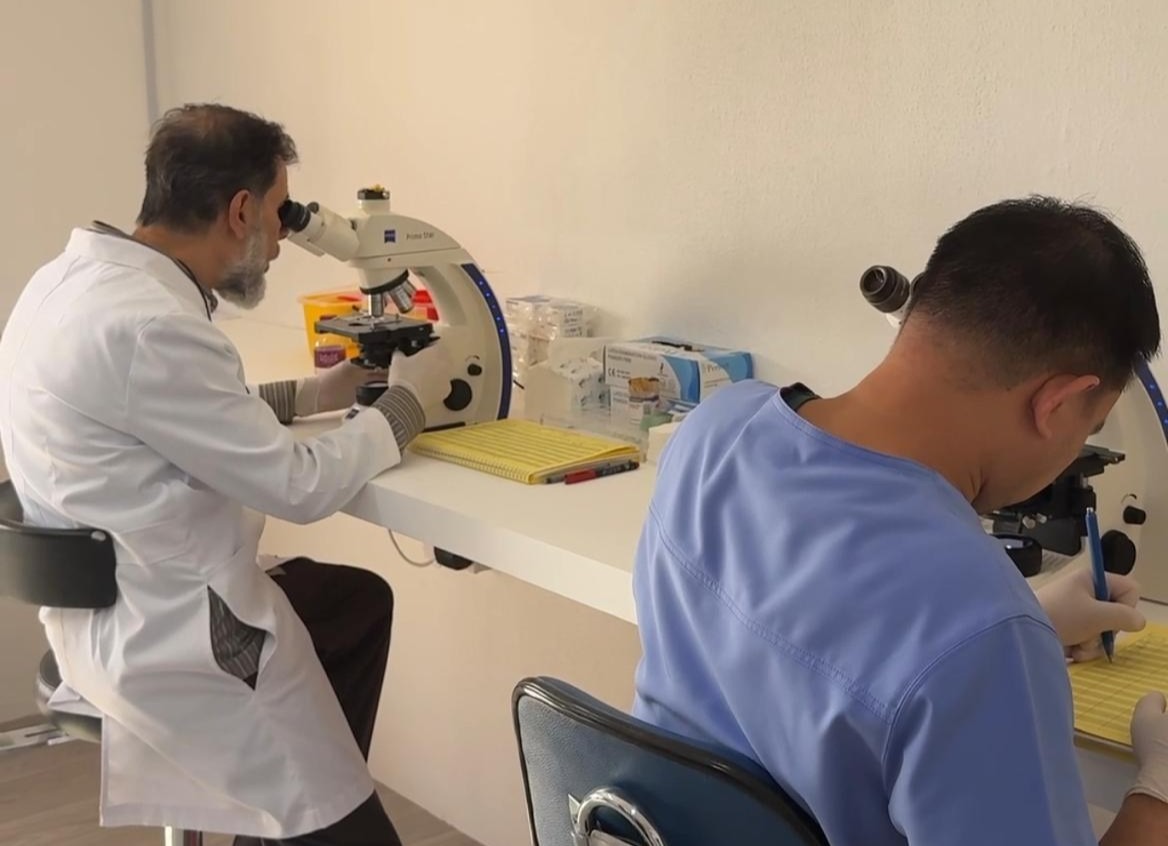
The hospital’s field branch is equipped to perform a variety of specialized diagnostic procedures. These include endoscopic examinations of the digestive and respiratory systems to identify internal issues, and the collection of samples for testing to detect fungal, bacterial, and parasitic infections. Fecal examinations are also conducted to screen for diseases like coccidiosis and other intestinal worms.
Beyond diagnostics, the hospital provides essential treatments and supportive care. This encompasses the administration of nutrients via subcutaneous or intravenous routes, as well as vitamin and nutritional supplements to address deficiencies. Essential medications are dispensed following accurate diagnoses made at the on-site clinic.
Nutrition and Training Considerations
Maintaining a proper diet is critical for falcon health, particularly during the demanding schedule of a festival like Marmi. Dr. Al Karkhi highlighted the need for high-quality food sources, such as pigeons or chicken, and supplementing these with natural immune boosters like garlic oil and fish oil. These additions can help strengthen the falcon’s immune system and enhance its natural resistance to disease.
The practice of fasting as part of falcon training was also addressed. While acknowledging its use, Dr. Al Karkhi cautioned against excessive fasting, which can lead to dehydration, muscle fatigue, and nutritional imbalances. He stressed the importance of balancing feeding, fasting, and training to achieve optimal flight performance and avoid harming the bird. Proper falcon care requires a nuanced approach.
The Importance of Early Detection
Early diagnosis and treatment are paramount in preventing minor health issues from escalating into chronic conditions, according to the hospital director. He noted that adding vitamins, salts, and amino acids to a falcon’s diet can compensate for nutritional deficiencies often found in standard feed. This proactive approach to bird health is a key component of the hospital’s services at Marmi.
The Souq Waqif Falcon Hospital’s participation reflects a broader commitment to preserving the tradition of falconry in Qatar. The festival itself plays a vital role in promoting this cultural heritage and attracting international attention to the sport. The hospital’s presence ensures the ethical and responsible practice of falconry by prioritizing the well-being of the birds.
As the festival progresses, the Souq Waqif Falcon Hospital will continue to monitor the health of participating falcons and provide necessary veterinary support. The success of the treatments administered will be evaluated throughout the remainder of the event. Organizers will assess the overall impact of the veterinary services provided on the performance and welfare of the birds, with findings potentially influencing future festival health protocols.