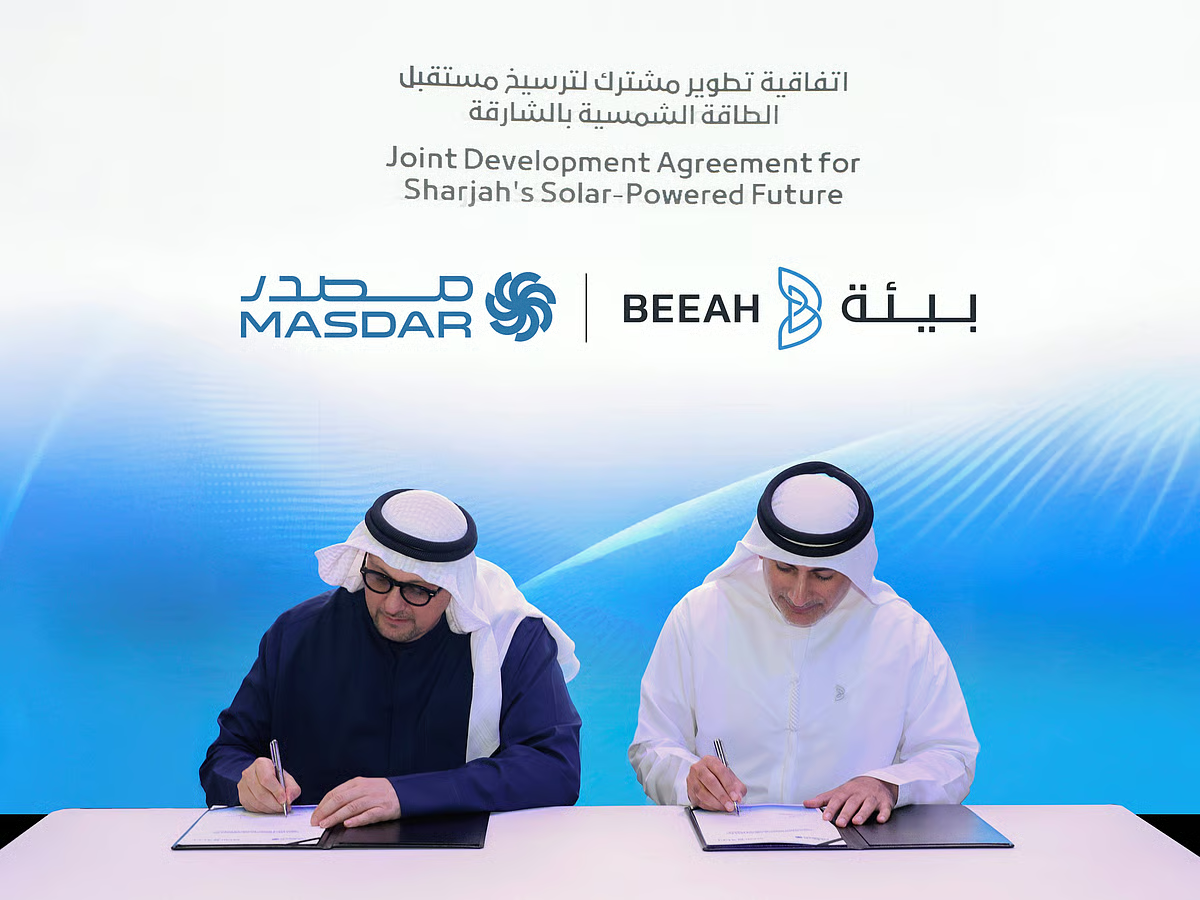

Sharjah is poised for a significant expansion of its renewable energy capacity following a new agreement between BEEAH Energy and Masdar to jointly develop large-scale solar photovoltaic projects. The partnership, announced during Abu Dhabi Sustainability Week, aims to move beyond smaller, pilot installations and focus on grid-connected solar farms capable of supplying substantial power to the emirate. This collaboration underscores the growing commitment to clean energy in the United Arab Emirates and the broader Middle East region.
The agreement was signed at the World Future Energy Summit and outlines a structured approach to identifying, assessing, and developing solar projects throughout Sharjah. According to a joint statement, the initiative will address the emirate’s increasing energy demands with reliable, low-carbon power sources. The partnership builds on existing collaborations between the two entities and signals a strategic shift towards utility-scale renewable energy infrastructure.
Expanding Sharjah’s Solar Energy Infrastructure
BEEAH and Masdar will collaborate throughout the entire project lifecycle, from initial site selection and feasibility studies to construction, operation, and long-term maintenance. This comprehensive approach includes crucial grid impact assessments and detailed solar resource analysis to ensure optimal performance and integration with the existing power network. The agreement also allows for the exploration of hybrid solutions, such as integrating battery energy storage systems, to enhance grid stability and address the intermittent nature of solar power.
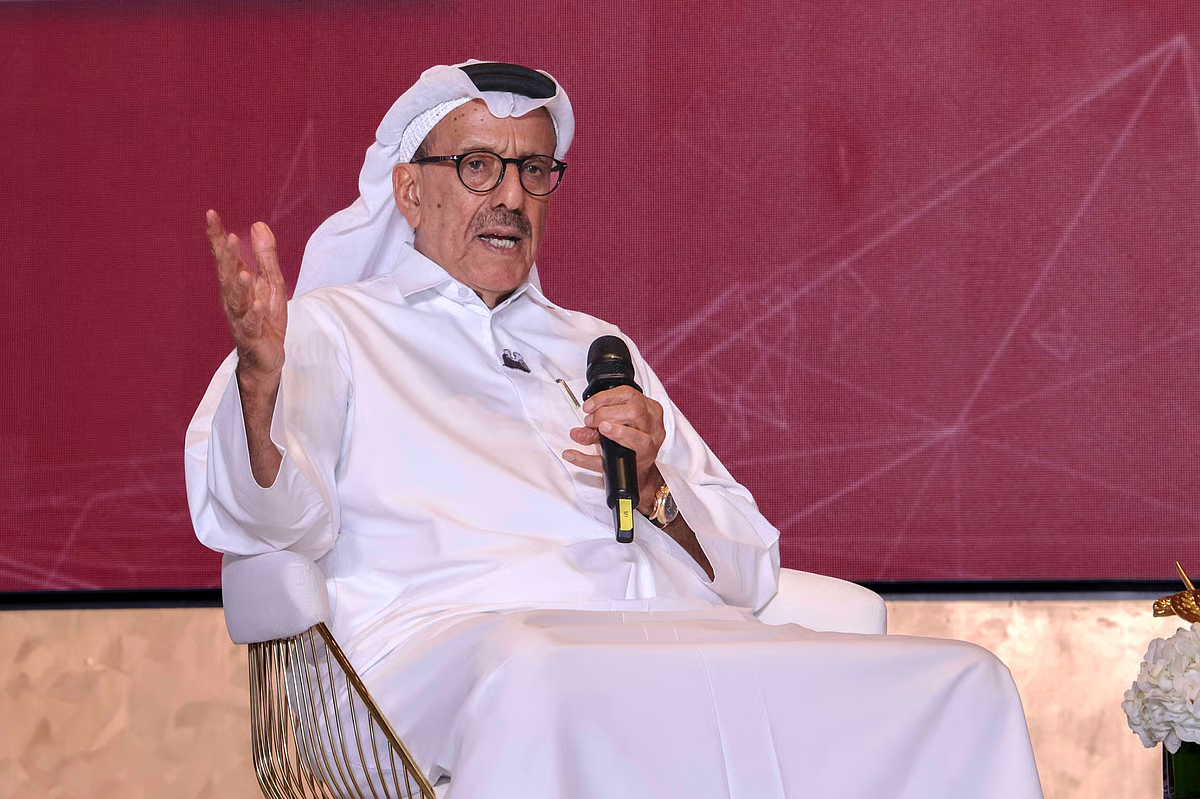
Khaled Al Huraimel, Group CEO and Vice Chairman of BEEAH, stated that Sharjah’s energy needs are driving the deployment of more diversified and resilient renewable infrastructure. He added that this agreement leverages BEEAH’s experience in waste-to-energy projects to accelerate the emirate’s decarbonization efforts. This aligns with the UAE’s broader Net Zero by 2050 strategic initiative.
A Deepening Partnership
This latest venture builds upon a long-standing relationship between BEEAH and Masdar, most notably exemplified by the Emirates Waste to Energy Company. Formed in 2017, this joint venture delivered the Middle East’s first commercial-scale waste-to-energy plant, which has since become a regional benchmark for circular economy infrastructure. The success of this project demonstrates the synergy between the two organizations and their ability to deliver complex energy solutions.
Mohamed Jameel Al Ramahi, CEO of Masdar, highlighted Sharjah’s significant potential for solar energy development and the visionary leadership driving the deployment of commercially viable projects. Masdar’s role will be to provide its expertise in scaling and replicating successful energy transition projects, contributing to Sharjah’s long-term sustainability goals. The company has been a key player in renewable energy projects across the globe, including in the United States and Europe.
Moving Beyond Pilot Programs
The focus on large-scale projects represents a departure from previous efforts centered on rooftop installations or smaller demonstration projects. Sharjah’s geographical characteristics and land availability provide ample opportunities for substantial solar farms that can make a significant contribution to the emirate’s power grid. Integrating energy storage solutions will be critical to mitigating the challenges associated with intermittent renewable energy sources like solar.
BEEAH’s broader energy strategy extends beyond solar, encompassing the repurposing of closed landfills for solar generation and the capture of landfill gas for power production. The company’s headquarters itself operates with on-site solar capacity and has achieved LEED Platinum certification, demonstrating its commitment to integrating clean energy into its core operations. This holistic approach positions BEEAH as a leader in sustainable energy solutions within the region.
The UAE has been actively investing in renewable energy sources to diversify its energy mix and reduce its carbon footprint. Alongside solar, the country is also exploring wind, geothermal, and hydrogen energy technologies. This commitment is driven by both environmental concerns and economic opportunities, as the renewable energy sector is expected to create new jobs and stimulate innovation. The development of renewable energy infrastructure is also seen as crucial for enhancing energy security and reducing reliance on fossil fuels.
Looking ahead, the next steps involve detailed site assessments and the development of specific project proposals. While a firm timeline has not been announced, industry analysts anticipate that the first projects resulting from this agreement could be operational within the next two to three years. The success of this partnership will likely depend on factors such as securing necessary permits, attracting investment, and effectively managing the integration of large-scale solar power into Sharjah’s existing grid infrastructure. Monitoring the progress of these initial projects will be key to understanding the long-term impact of this collaboration on Sharjah’s energy landscape.