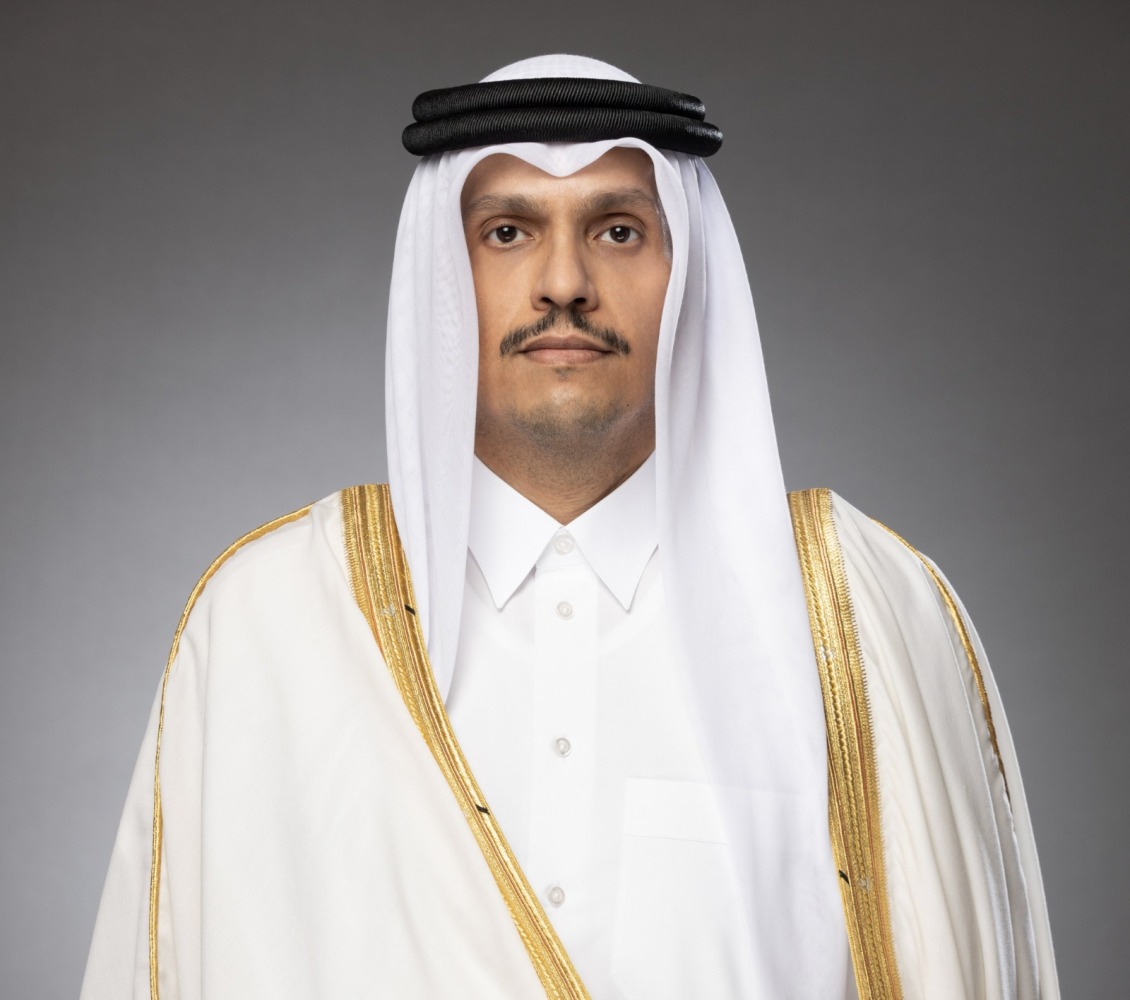

Doha, Qatar – Discussions regarding strengthened Qatar-EU relations and pressing regional security concerns were the focus of a phone call between Qatar’s Prime Minister and Minister of Foreign Affairs, HE Sheikh Mohammed bin Abdulrahman bin Jassim Al-Thani, and key European Union representatives. The call, which took place today, involved High Representative of the European Union for Foreign Affairs and Security Policy, HE Kaja Kallas, and the Minister of Foreign Affairs of the Republic of Cyprus, HE Dr. Constantinos Kombos, whose country currently holds the Presidency of the Council of the European Union. The conversation underscored the importance of ongoing dialogue between the two entities.
The communication, as reported by the Qatari Ministry of Foreign Affairs, centered on bolstering cooperation between Qatar and the European Union. Leaders also addressed a range of shared interests in the broader Middle East and globally, with a particular emphasis on de-escalation and stability. This engagement signals a continued effort to navigate complex geopolitical challenges through diplomatic channels.
Strengthening Qatar-EU Relations in a Turbulent Region
The timing of this call is significant, occurring amidst heightened tensions in several areas of the Middle East, including the Red Sea and the ongoing conflict in Gaza. Qatar has played a prominent role in mediation efforts, particularly concerning the release of hostages and humanitarian aid delivery. The European Union is a key economic partner for Qatar, and collaboration on security matters is increasingly vital.
According to analysts, the EU is seeking to diversify its energy sources, and Qatar, as a major liquefied natural gas (LNG) producer, is a crucial supplier. Discussions likely included ensuring the continued flow of energy resources to Europe, especially as geopolitical events impact traditional supply routes. Furthermore, the EU has been actively pursuing partnerships to enhance its regional influence and address shared security threats.
Focus on Regional Stability
The call specifically addressed efforts to bolster security and stability in the region. This likely encompassed discussions on maritime security in the Red Sea, where attacks on commercial vessels have disrupted global trade. Qatar and the EU share a common interest in protecting these vital shipping lanes.
The situation in Gaza was also undoubtedly a key topic. Qatar has been instrumental in facilitating negotiations between Israel and Hamas, and the EU has consistently called for a ceasefire and increased humanitarian access. The need for a long-term political solution to the Israeli-Palestinian conflict was likely emphasized.
Economic Cooperation and Investment
Beyond security concerns, the Qatar-EU partnership extends to significant economic ties. The EU is one of Qatar’s largest trading partners, and Qatari investment in Europe is substantial. The conversation may have touched upon ongoing and potential future investment projects, as well as opportunities to expand trade in various sectors.
Recent years have seen increased collaboration in areas such as renewable energy and technology. Qatar’s “National Vision 2030” prioritizes diversification and sustainable development, aligning with the EU’s own green agenda. This shared focus creates potential for further cooperation and knowledge exchange. The EU is also interested in Qatar’s role in promoting international cooperation.
However, the relationship isn’t without its complexities. Concerns regarding human rights and labor practices in Qatar have been raised by European lawmakers in the past. While Qatar has implemented reforms in these areas, continued scrutiny and dialogue are expected. These issues are often a point of discussion in broader engagements with international partners.
Meanwhile, the EU is navigating its own internal challenges, including energy security and the need to present a unified foreign policy. The Cypriot Presidency of the Council of the European Union adds another layer of nuance, given the ongoing dispute over the island’s status.
Looking ahead, further high-level meetings and continued diplomatic engagement between Qatar and the EU are anticipated. The next major opportunity for discussion will likely be during upcoming international forums and conferences. The evolving geopolitical landscape and the ongoing need for regional stability will continue to shape the Qatar EU dialogue. The effectiveness of these discussions in translating into concrete actions remains to be seen, particularly regarding the resolution of the conflicts in Gaza and the Red Sea, and the future of energy security in Europe.
The development of a more formalized framework for bilateral relations between Qatar and the EU could also be on the horizon, potentially including a comprehensive agreement covering trade, investment, and security cooperation.