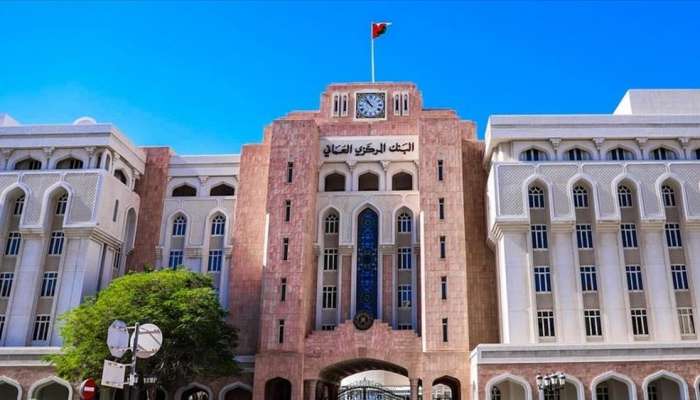

The Sultanate of Oman’s economy is demonstrating remarkable strength and resilience, according to a recent report from the International Monetary Fund (IMF). The assessment, stemming from the 2025 Article IV consultations, highlights sustained growth, controlled inflation, and a robust financial sector, even amidst significant global economic headwinds. This positive outlook reinforces Oman’s commitment to diversification and long-term economic stability, making it an increasingly attractive destination for investment and a model for prudent economic management in the region. This article will delve into the key findings of the IMF report and explore the factors contributing to Oman’s economic success.
Oman Economy: IMF Confirms Continued Strength and Stability
The IMF’s report offers a comprehensive overview of the Omani economy, painting a picture of consistent progress. The Executive Board’s endorsement of the findings underscores the international community’s confidence in Oman’s economic trajectory. A core takeaway is the continued expansion of economic activity, notably driven by the non-oil sectors. This diversification is a key pillar of Oman’s Vision 2040, and the report confirms its effectiveness.
The IMF specifically noted the ability of Oman to maintain a stable economic environment despite challenges like fluctuating energy prices, tightening global financial conditions, and ongoing geopolitical tensions. This resilience is a testament to the proactive policies implemented by the Omani government and the Central Bank of Oman.
Inflation Remains Under Control
One of the most encouraging aspects of the report is the confirmation that inflation in Oman remains low and well-contained. While there was a slight increase to 0.9 percent between January and October 2025, compared to 0.6 percent in 2024, this rise is considered manageable and reflects successful measures to mitigate price pressures.
This controlled inflation is crucial for maintaining monetary stability and fostering confidence within the financial system. It allows businesses to plan effectively and protects the purchasing power of consumers, contributing to overall economic well-being. The government’s focus on supply chain management and targeted subsidies has played a significant role in keeping inflation in check.
Non-Oil Sector Growth Fuels Economic Diversification
The report emphasizes the pivotal role of the non-oil sector in driving Oman’s economic growth. Growth of 2.3 percent in the first half of 2025 was largely attributable to expansion in these areas. Sectors like tourism, logistics, and manufacturing are experiencing significant development, reducing the nation’s reliance on hydrocarbon revenues.
This shift towards diversification is not merely a strategic goal; it’s a practical necessity in a world increasingly focused on sustainability and renewable energy. By broadening its economic base, Oman is positioning itself for long-term prosperity and reducing its vulnerability to external shocks in the energy market. Investment in infrastructure projects is a key component of this diversification strategy.
Banking Sector Robustness
The IMF assessment also highlighted the strength and stability of Oman’s banking sector. Banks are well-capitalized, boasting strong capital adequacy ratios and ample liquidity. Furthermore, profitability has improved, and asset quality remains high.
This positive outlook is directly linked to the effective regulatory and supervisory framework implemented by the Central Bank of Oman. Continuous efforts to enhance financial stability, build resilience to external shocks, and mitigate systemic risks are clearly bearing fruit. A healthy banking sector is essential for supporting economic growth and facilitating investment. The focus on financial technology (FinTech) is also contributing to the sector’s modernization.
Fiscal and External Positions Remain Sound
Despite a modest current account deficit, estimated at around 1.1 percent of GDP in 2025 due to lower oil prices, Oman’s overall fiscal and external positions are deemed strong. This is largely due to prudent macroeconomic management and the ongoing implementation of structural reforms.
The government’s commitment to fiscal discipline, coupled with efforts to increase non-oil revenue, has helped to maintain a sustainable level of public debt. Moreover, Oman’s foreign exchange reserves provide a comfortable buffer against external shocks. The IMF anticipates that these positive trends will continue over the medium term. Continued progress in economic reforms will be vital to sustaining this momentum.
Looking Ahead: Oman Vision 2040 and Sustainable Growth
The IMF’s report projects continued robust growth prospects for Oman, supported by sustained non-oil sector expansion, a gradual increase in oil production, and the successful implementation of Oman Vision 2040. This ambitious long-term plan aims to transform Oman into a diversified, sustainable, and globally competitive economy.
The Central Bank of Oman has reaffirmed its commitment to maintaining monetary and financial stability, ensuring a resilient banking sector, and contributing to sustainable economic growth. This collaborative approach between the government and the central bank is crucial for navigating the challenges and opportunities that lie ahead.
In conclusion, the IMF’s latest assessment provides a compelling endorsement of Oman’s economic strength and resilience. The nation’s commitment to diversification, prudent fiscal management, and a robust financial sector are key drivers of its success. As Oman continues to implement its Vision 2040, it is well-positioned to achieve sustainable economic growth and enhance its role as a stable and prosperous nation in the region. For investors and businesses looking for opportunities in a dynamic and well-managed economy, Oman presents a compelling case.