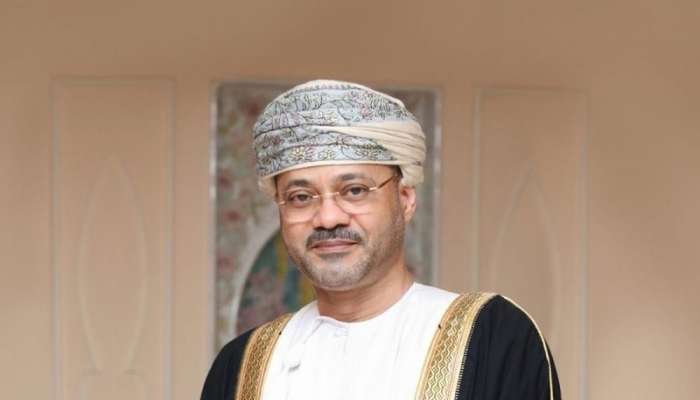

Recent diplomatic activity from Muscat underscores the Sultanate of Oman’s continued commitment to fostering regional stability. In a series of telephone consultations, Foreign Minister Sayyid Badr bin Hamad Al Busaidi engaged with his counterparts from Qatar, Iraq, Saudi Arabia, and Egypt to discuss pressing issues and coordinate efforts towards de-escalation and security in the wider Middle East. This proactive engagement highlights Oman’s pivotal role as a mediator and facilitator in a complex geopolitical landscape.
Oman Leads Diplomatic Push for Regional Stability
The discussions, initiated by the Omani Foreign Minister, centered on the current volatile situation in the region and explored practical avenues for reducing tensions. These consultations weren’t merely a formality; they represent a concerted effort to build consensus and identify collaborative solutions to shared challenges. The focus was firmly placed on preventing further escalation and creating an environment conducive to peaceful dialogue. This initiative comes at a crucial time, with numerous conflicts and points of contention simmering across the Middle East.
Key Areas of Discussion
While specific details of the conversations remain confidential, sources indicate that the ministers addressed a range of regional developments. These likely included ongoing concerns regarding conflicts in Yemen and Sudan, as well as the broader implications of geopolitical rivalries. A significant portion of the talks was dedicated to exploring ways to mitigate the impact of these conflicts on civilian populations and regional infrastructure. The ministers also likely discussed the importance of maritime security in the Gulf region, a long-standing concern for all parties involved.
The emphasis on “joint efforts” suggests a willingness to move beyond individual national interests and embrace a more collective approach to security. This is particularly significant given the diverse perspectives and priorities of the countries involved. Oman, traditionally known for its neutral stance, appears to be leveraging its diplomatic capital to bridge divides and encourage cooperation. The Sultanate’s longstanding relationships with all key actors in the region position it uniquely to facilitate these discussions.
Supporting De-escalation Initiatives and International Law
A core tenet of the discussions was the unanimous affirmation of the need to support initiatives aimed at de-escalation. The ministers stressed the importance of prioritizing diplomatic solutions over military intervention, recognizing that sustainable peace can only be achieved through dialogue and compromise. This commitment to peaceful resolution aligns with Oman’s historical foreign policy and its reputation as a responsible regional actor. The focus on de-escalation is a vital component of achieving lasting Middle East peace.
Furthermore, the ministers underscored the necessity of upholding international law as a fundamental principle guiding regional interactions. This includes respecting the sovereignty of states, adhering to established norms of international behavior, and resolving disputes through peaceful means, such as arbitration and mediation. A rules-based international order is seen as essential for maintaining stability and preventing the recurrence of conflict. This principle is particularly relevant in a region often characterized by complex and overlapping claims.
The commitment to international law also signals a desire to address the root causes of instability, rather than simply managing the symptoms. This requires a long-term perspective and a willingness to tackle issues such as poverty, inequality, and political marginalization. Oman has consistently advocated for a holistic approach to regional security, recognizing that economic and social development are inextricably linked to political stability. Diplomatic solutions are seen as the most effective path forward.
The Role of Oman in Regional Diplomacy
Oman has long played a quiet but crucial role in mediating regional disputes. Its neutral stance, coupled with its strong relationships with all parties involved, has made it a trusted facilitator in numerous negotiations. This latest initiative, spearheaded by Foreign Minister Al Busaidi, builds on this legacy and demonstrates Oman’s continued commitment to regional security. The country’s “good offices” have been instrumental in securing the release of hostages, brokering ceasefires, and fostering dialogue between conflicting parties.
The telephone consultations with Qatar, Iraq, Saudi Arabia, and Egypt are particularly noteworthy, as they represent a broad spectrum of perspectives within the Arab world. Bringing these key players together, even virtually, is a significant step towards building a more unified approach to regional challenges. This collaborative spirit is essential for addressing complex issues that transcend national borders. The success of this effort will depend on the willingness of all parties to compromise and prioritize the collective good. Maintaining regional security requires consistent and proactive engagement.
Additionally, Oman’s focus on de-escalation aligns with international efforts to promote peace and stability in the Middle East. The Sultanate actively participates in international forums and works closely with other countries to address shared security concerns. This commitment to multilateralism underscores Oman’s belief that collective action is the most effective way to tackle regional challenges.
In conclusion, the recent diplomatic outreach from Muscat, led by Foreign Minister Al Busaidi, represents a vital step towards fostering regional stability. By prioritizing de-escalation, upholding international law, and promoting joint efforts, Oman is demonstrating its leadership and commitment to a peaceful and prosperous future for the Middle East. The ongoing dialogue and collaboration are crucial for navigating the complex challenges facing the region and building a more secure and stable environment for all. Further updates on these diplomatic initiatives are eagerly anticipated, and continued engagement from all stakeholders is essential to ensure their success.