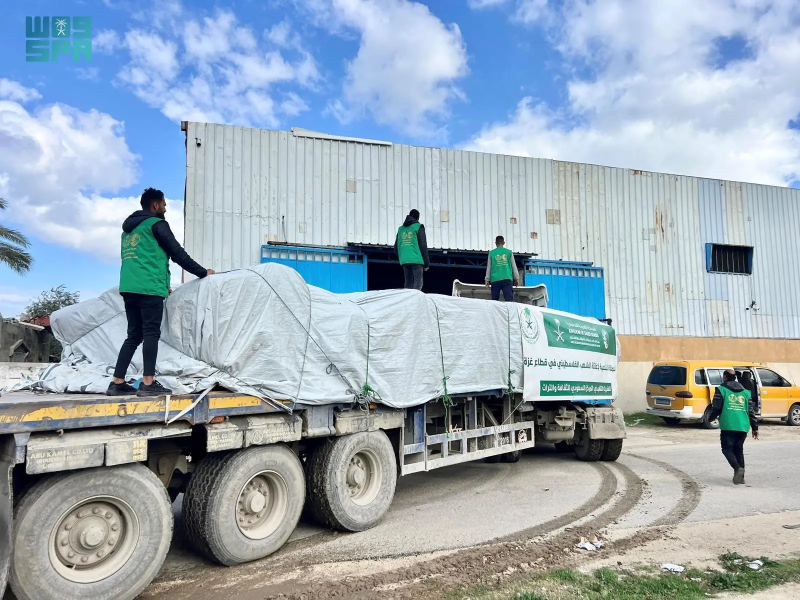

A new humanitarian aid convoy from the King Salman Humanitarian Aid and Relief Center (KSrelief) reached central Gaza on Wednesday, delivering critical food supplies to displaced Palestinian families. This delivery is the latest effort in Saudi Arabia’s ongoing commitment to providing relief to those affected by the ongoing conflict. The aid focuses on families living in temporary tent settlements, where conditions are increasingly dire.
The KSrelief convoy arrived in central Gaza and distributed food baskets intended to meet the immediate nutritional needs of vulnerable families. This shipment represents a continuation of Saudi Arabia’s fundraising campaign for the Palestinian people, demonstrating the Kingdom’s significant role in international humanitarian response efforts. The ongoing crisis has created widespread food insecurity throughout the Gaza Strip.
Saudi Arabia Continues Gaza Humanitarian Aid Delivery
The latest delivery from KSrelief underscores Saudi Arabia’s sustained commitment to alleviating the suffering of Palestinians in Gaza. According to KSrelief, the food baskets are designed to provide essential nutrition for families who have been displaced from their homes for months. The situation remains critical, with a large percentage of the population relying on external assistance for survival.
The conflict, which began in October 2023, has resulted in widespread destruction and displacement. The United Nations estimates that over a million people have been internally displaced within Gaza, seeking shelter in overcrowded facilities and makeshift camps. This mass displacement has exacerbated existing vulnerabilities and created new challenges for aid organizations.
The Scale of the Crisis and Aid Efforts
The need for emergency aid in Gaza is immense. Reports from international organizations indicate that a significant portion of the population is facing acute food insecurity, with many experiencing famine-like conditions. Access to clean water, medical care, and sanitation facilities is also severely limited.
Additionally, other nations and organizations have been contributing to the relief effort. The United States, the European Union, and various non-governmental organizations have pledged and delivered aid, but the scale of the crisis continues to outpace the response. Coordination between aid agencies and local authorities remains a significant challenge.
Meanwhile, the Saudi fundraising campaign has been instrumental in mobilizing resources for the Palestinian people. The Kingdom has previously provided substantial financial assistance and medical supplies, and this latest food delivery builds upon those efforts. The campaign aims to address both immediate needs and contribute to longer-term recovery efforts.
Challenges to Aid Delivery in Gaza
Delivering humanitarian assistance to Gaza remains a complex undertaking. Restrictions on the movement of goods and personnel, as well as ongoing security concerns, hinder the efficient distribution of aid. The Rafah crossing, a key entry point for aid, has faced intermittent closures and logistical challenges.
In contrast to the urgent need, bureaucratic hurdles and security protocols can significantly delay the arrival and distribution of essential supplies. Aid organizations are working to overcome these obstacles, but the situation requires continued cooperation from all parties involved. The UN has repeatedly called for unimpeded access for humanitarian aid.
However, the ongoing conflict continues to disrupt aid operations. Damage to infrastructure, including roads and warehouses, further complicates the delivery process. Ensuring the safety of aid workers and the equitable distribution of supplies are also paramount concerns.
The World Food Programme (WFP) has warned of the potential for widespread famine if aid deliveries are not significantly increased and sustained. The organization emphasizes the importance of providing consistent access to food and other essential supplies to prevent a catastrophic humanitarian situation. The report indicates that children are particularly vulnerable to malnutrition.
The KSrelief convoy’s arrival represents a vital lifeline for families in central Gaza. The food baskets will provide much-needed relief, but the underlying causes of the crisis remain unresolved. The long-term impact of the conflict on the Palestinian population will require sustained international support and a comprehensive approach to peace and development.
Looking ahead, further aid deliveries are planned as part of the ongoing Saudi fundraising campaign. The timing and scale of these deliveries will depend on the evolving security situation and the availability of resources. Monitoring the access for aid organizations and the nutritional status of the population will be crucial in the coming weeks and months.