






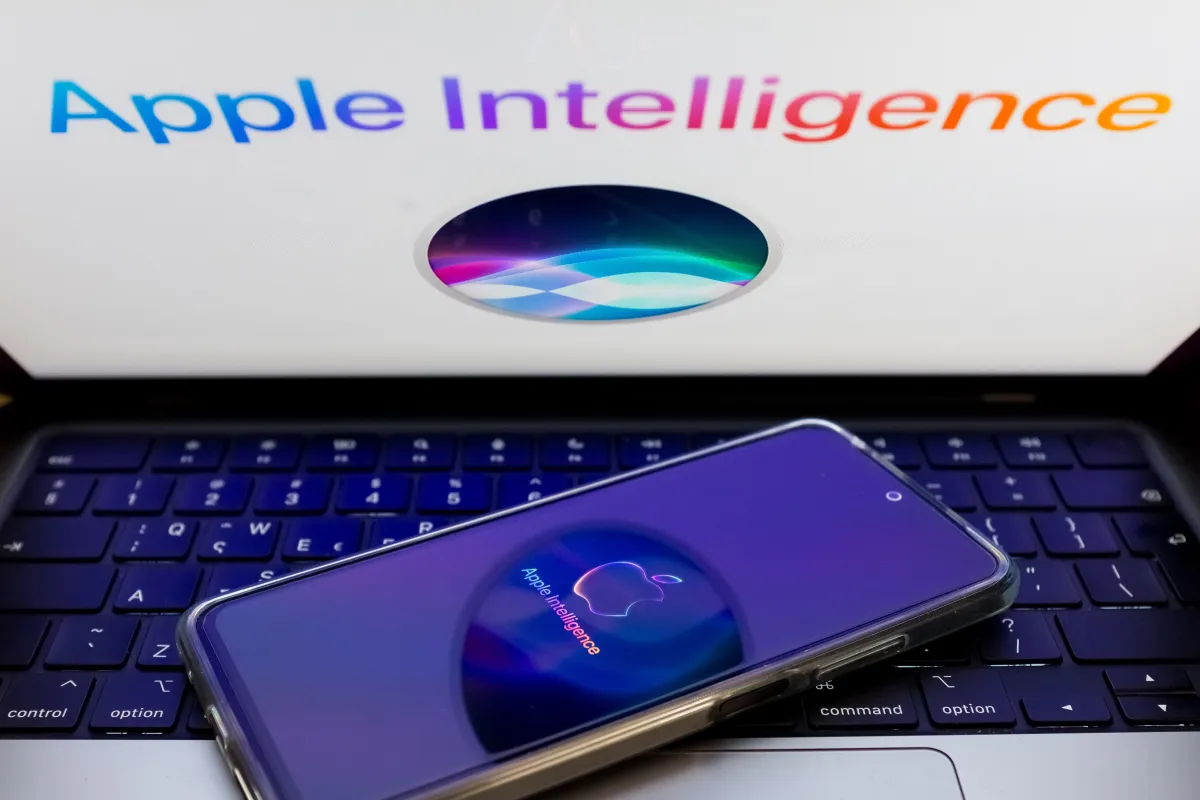

Apple has officially partnered with Google to leverage its artificial intelligence (AI) technology, specifically the Gemini models, for powering features like Siri and future foundational models. The multi-year agreement, confirmed by both companies, aims to enhance Apple’s AI capabilities after facing criticism for falling behind competitors in the rapidly evolving field of artificial intelligence. This collaboration marks a significant shift for Apple, historically known for its self-reliance on in-house development.
Apple and Google Join Forces in the AI Race
The partnership will see Apple utilizing Google’s AI models and cloud infrastructure to build its own “Apple Foundation Models.” While the financial terms remain undisclosed, previous reports suggest Apple could be paying Google approximately $1 billion for access to this technology. A source familiar with the matter clarified that the agreement is non-exclusive, allowing Apple to explore other AI partnerships as well.
Addressing Siri’s Shortcomings
Apple’s decision follows a period of public scrutiny regarding the performance of Siri. Users have frequently pointed to the assistant’s limitations compared to offerings from Google Assistant, Amazon’s Alexa, and, more recently, OpenAI’s ChatGPT. Apple has been working on improving its AI features, releasing initial versions of Apple Intelligence in 2024, focusing on privacy-preserving on-device processing.
However, Apple’s approach to AI has been described as subtle, integrating AI into existing operating system functions like photo search and notification summarization without delivering the dramatic improvements seen in some competitor products. A major overhaul of Siri, intended to be more personalized, has experienced several delays. An Apple spokesperson recently indicated to TechCrunch that an upgrade is still planned for release this year.
Navigating Antitrust Concerns
This collaboration also occurs as Google faces ongoing antitrust litigation. A federal judge ruled in August 2024 that Google illegally maintained a monopoly in online search through payments to companies like Apple to secure default search engine placement. Court documents revealed Google paid Apple around $38 billion between 2021 and 2022 for this preferential treatment.
The final remedies issued by Judge Amit Mehta in December 2025 included a ban on exclusive default agreements, stipulating that any such agreements must have a termination clause no longer than one year from the date of inception. This ruling significantly impacts the previous relationship between the two tech giants and likely influenced the structure of the new AI partnership. The new deal appears designed to comply with the court’s restrictions on exclusivity.
Privacy Remains a Priority
Despite partnering with Google, Apple has emphasized its commitment to user privacy. The company stated it will continue to prioritize on-device processing and tightly controlled infrastructure for AI tasks. This aligns with Apple’s long-standing marketing strategy centered around data security and user control. The integration of Google’s technology will reportedly not compromise these privacy standards.
Implications for the Tech Landscape
This move represents a pragmatic adjustment for Apple, acknowledging the advanced state of Google’s AI models. While Apple possesses considerable engineering talent, developing comparable AI capabilities from scratch requires substantial time and resources. The partnership allows Apple to accelerate its AI development timeline and offer more competitive features to its users. It also highlights the increasing importance of large language models in the future of technology.
Additionally, the deal could have broader implications for the competitive landscape of the machine learning industry. It demonstrates that even companies with a strong preference for vertical integration are willing to collaborate when it serves their strategic interests. The partnership may also encourage other tech firms to explore similar arrangements to access cutting-edge AI technology.
The impact on Google’s antitrust case remains to be seen. While the new agreement is non-exclusive, it still involves a financial exchange and continued integration of Google’s search technology within Apple’s ecosystem. Regulators will likely scrutinize the details of the partnership to ensure it does not violate antitrust laws.
Looking ahead, the success of this collaboration will depend on Apple’s ability to seamlessly integrate Google’s AI technology into its products while maintaining its commitment to privacy and user experience. The first major test will be the updated Siri, expected to launch this year, and how effectively it leverages the new AI capabilities. Further developments in Apple Intelligence and its broader application across Apple’s operating systems will also be key indicators of the partnership’s long-term value.