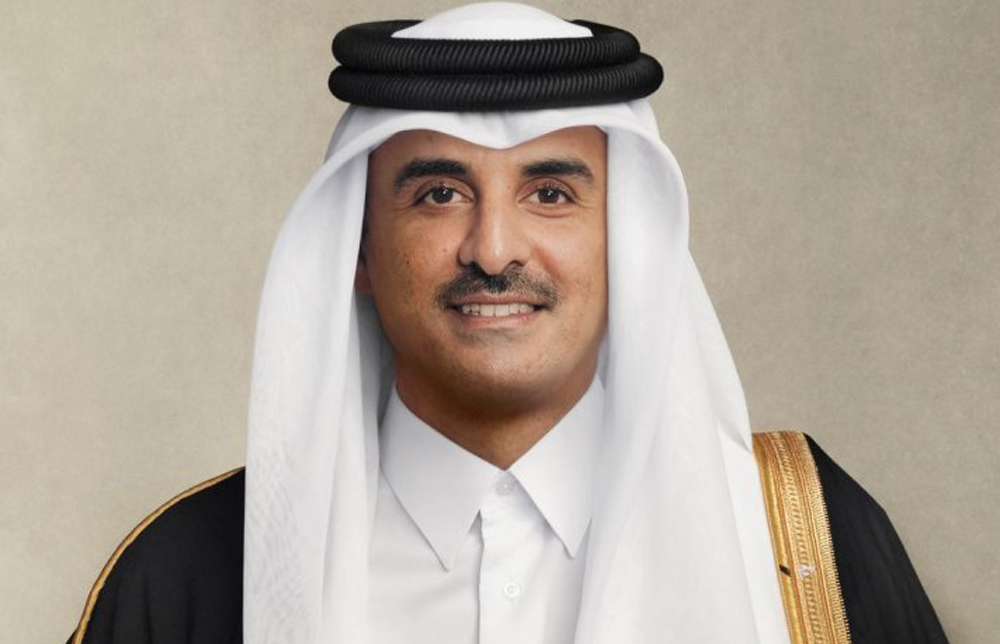

Doha, Qatar – His Highness Sheikh Tamim bin Hamad Al Thani, the Amir of Qatar, spoke with Pakistani Prime Minister Muhammad Shehbaz Sharif today, focusing on de-escalation strategies in the region and strengthening Qatar-Pakistan relations. The telephone conversation, held on an unspecified date in February 2024, addressed pressing regional and international concerns, with a particular emphasis on fostering dialogue and peaceful resolutions to conflicts. Discussions also centered on opportunities to enhance the existing bilateral ties between Doha and Islamabad.
The call took place amidst heightened tensions in several areas of the Middle East and South Asia, prompting a discussion on ways to mitigate further escalation. Both leaders reportedly expressed a commitment to supporting diplomatic initiatives aimed at bolstering security and stability. This communication underscores Qatar’s ongoing diplomatic efforts and its interest in regional peace, as well as its strong partnership with Pakistan.
Strengthening Qatar-Pakistan Relations Through Dialogue
The conversation between the Amir and the Prime Minister highlights the importance both nations place on maintaining close ties. Qatar and Pakistan have a long-standing relationship built on economic cooperation, particularly in the energy sector, and shared strategic interests. Additionally, a significant Pakistani diaspora resides in Qatar, contributing to the economic and social fabric of the country.
Regional Security Concerns
The leaders’ discussion of regional developments likely included the ongoing situation in Palestine and the broader implications for the Middle East. Qatar has been a vocal advocate for a two-state solution and has played a mediating role in several conflicts. The report indicates Pakistan shares similar concerns regarding regional stability and the need for a just and lasting peace.
Economic Cooperation and Investment
While details of the economic discussions were not released, Qatar-Pakistan relations are significantly influenced by economic factors. Pakistan is seeking increased investment from Qatar in various sectors, including energy, infrastructure, and tourism. Qatar, in turn, views Pakistan as a key partner in its regional strategy and a potential market for its investments.
Recent years have seen increased collaboration between the two countries, including Qatar’s provision of financial assistance to Pakistan during economic challenges. This support has been crucial in helping Pakistan navigate periods of economic instability. However, the long-term sustainability of this assistance and the need for broader economic reforms in Pakistan remain key considerations.
The discussion also likely touched upon the evolving geopolitical landscape and its impact on both countries. The rise of new power dynamics and the increasing complexity of international relations necessitate close coordination and strategic alignment between allies like Qatar and Pakistan. This includes addressing shared challenges related to counter-terrorism and regional security.
In contrast to some regional tensions, the bilateral ties between Qatar and Pakistan have remained consistently strong. This stability is attributed to a shared understanding of regional issues and a commitment to mutual support. The two countries regularly exchange high-level visits and participate in joint military exercises, further solidifying their partnership.
The focus on “promoting dialogue” and “peaceful solutions” suggests a shared preference for diplomatic engagement over confrontational approaches. This aligns with Qatar’s established foreign policy of mediation and conflict resolution. Pakistan, facing its own complex security environment, also benefits from a stable and peaceful regional order.
Looking ahead, further discussions are expected to take place between Qatari and Pakistani officials to translate the commitments made during the phone call into concrete actions. The timing and scope of these discussions will likely depend on the evolving regional situation and the specific priorities of both governments. Monitoring future statements from both countries will be crucial to understanding the next steps in their collaborative efforts towards regional stability and enhanced diplomatic relations.
The strengthening of Qatar’s foreign policy and its continued engagement with key regional players like Pakistan will be a significant factor in shaping the future of the Middle East and South Asia. The success of these efforts, however, remains contingent on the willingness of all parties to prioritize dialogue and compromise.
Analysts suggest that continued economic cooperation and security collaboration will be vital for sustaining the positive momentum in Qatar-Pakistan relations. The potential for increased trade and investment, coupled with joint initiatives to address regional security threats, could further solidify the partnership in the years to come.