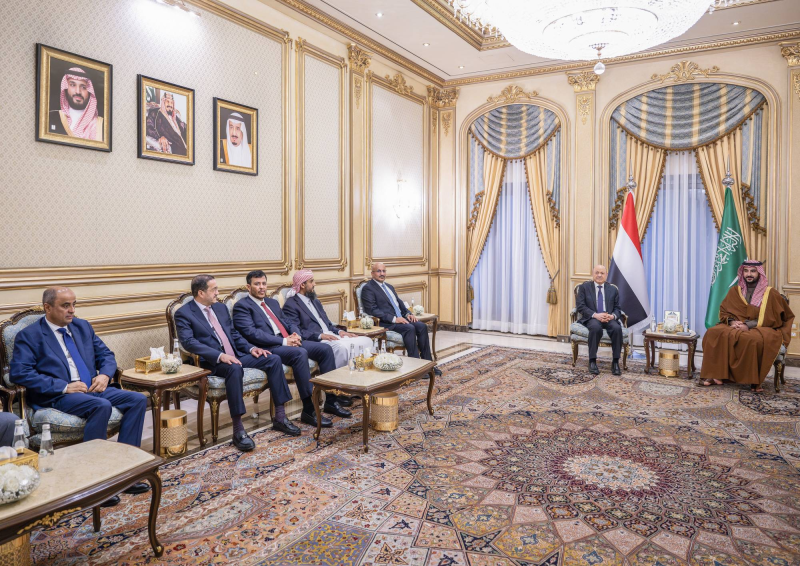

Saudi Arabia has announced a substantial new aid package totaling SR1.9 billion for Yemen development, encompassing 28 projects and initiatives across critical sectors like healthcare, energy, education, and transportation. The funding, provided through the Saudi Development and Reconstruction Program for Yemen (SDRPY), aims to bolster security, stability, and essential services in ten Yemeni governorates. This commitment builds on the Kingdom’s long-standing support for the Yemeni people, directed by King Salman and Crown Prince Mohammed bin Salman.
The announcement, made by the SDRPY, also includes a significant grant of petroleum derivatives to ensure the continued operation of power plants throughout Yemen. This aid is intended to address immediate needs while simultaneously laying the groundwork for long-term economic recovery and improved living conditions. The projects will be implemented in coordination with the Yemeni government and local authorities.
Expanding Infrastructure and Services Through Yemen Development
The new initiatives represent a continued effort to rebuild Yemen’s infrastructure, which has been severely damaged by years of conflict. According to the SDRPY, 27 additional vital projects are currently in progress and slated for completion between 2026 and 2027. These will add to the existing 240 projects already delivered since the program’s inception in 2018.
Healthcare Improvements
A key focus of the aid package is strengthening Yemen’s healthcare system. In Aden, Prince Mohammed bin Salman Hospital will continue to operate for the next three years, enhancing medical capabilities. Furthermore, the construction of the first desalination plant in Yemen will address critical water scarcity issues and improve water security, a major challenge for the country.
Beyond Aden, the program will support the establishment of Hadramout University Hospital and the operation of hospitals in Shabwa, Al-Mukha, and Abyan. These investments aim to increase access to quality medical care for a wider segment of the Yemeni population. The King Salman Medical and Educational City in Al-Mahrah will also begin full operation, providing comprehensive health and educational services.
Boosting Education and Human Capital
Recognizing the importance of education for future stability, the SDRPY is investing heavily in educational infrastructure. New colleges of computer science and information technology will be established at universities in Hadramout and Sayun, bolstering higher education opportunities. Additionally, a College of Applied and Health Sciences is planned for King Salman Medical and Educational City in Al-Mahrah.
The program also includes the construction and equipping of numerous schools across multiple governorates, including Hadramout, Aden, Lahj, Abyan, Al Dhale’a, Shabwa, and Socotra. These schools, described as “model schools,” are intended to improve educational outcomes and provide a better learning environment. Teacher training programs are also included in Al-Dhali’ governorate to enhance the quality of instruction.
Strengthening Essential Infrastructure
The aid package extends to vital transportation and energy projects. The rehabilitation of the Al-Abr-Sayun road in Hadramout and the final phase of the Al-Abr (Ghuwayrban – Al-Mukhtam) road expansion in Marib will improve connectivity and facilitate economic activity. The construction of a 30-megawatt power plant in Taiz is expected to significantly enhance electricity capacity in the region.
Additionally, improvements to the coastal road in Aden and the establishment of a maternal and child health center and maternity emergency center in Ras Al-Ara, Lahj, are designed to address specific local needs. The fuel derivatives grant will support the operation of these and other essential facilities, including airports and ports, ensuring a more reliable power supply.
The ongoing humanitarian aid to Yemen is a complex undertaking, and the success of these projects will depend on continued collaboration between the SDRPY, the Yemeni government, and local communities. The provision of economic support is also crucial for long-term sustainability.
Looking ahead, the SDRPY will focus on the timely completion of the projects currently under development and monitoring the impact of the newly announced initiatives. The continued stability of the security situation in Yemen will be a key factor in ensuring the effective implementation of these programs. Further announcements regarding additional phases of existing projects and new initiatives are expected in the coming months, with a particular emphasis on sustainable development and long-term economic recovery.