







Kuwait is significantly investing in its education system, with a major focus on bolstering reading literacy among primary school students. Preparations are well underway for the 2026 Progress in International Reading Literacy Study (PIRLS), a crucial international assessment that will measure the reading comprehension skills of fourth-grade students across the nation. This initiative underscores Kuwait’s commitment to improving educational outcomes and achieving global benchmarks in reading proficiency.
Kuwait Prepares for the 2026 PIRLS Assessment
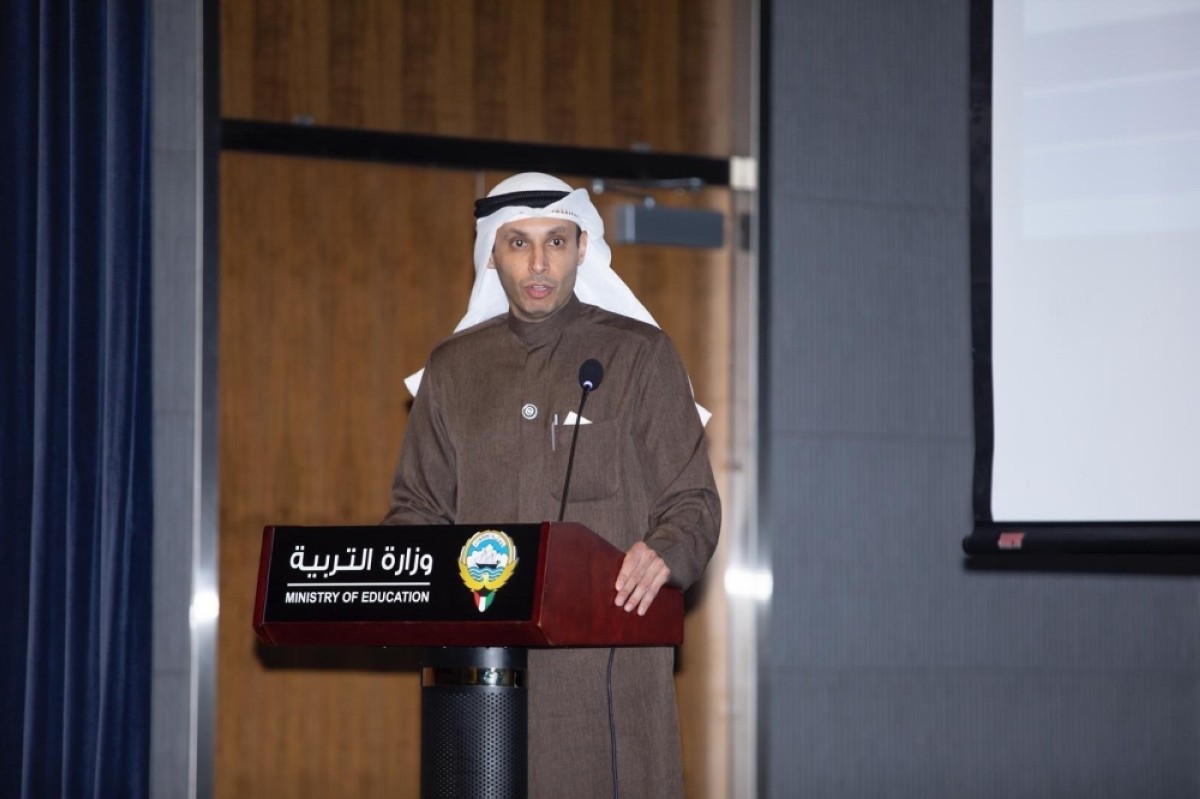
The Ministry of Education is leaving no stone unturned in its preparation for the 2026 PIRLS study. Recently, the ministry hosted an orientation meeting for principals from 178 schools carefully selected to participate. This selection process wasn’t random; schools were chosen based on stringent criteria designed to ensure a representative sample of Kuwait’s diverse educational landscape.
This proactive approach highlights the importance Kuwait places on understanding its position within the international education community. The assessment itself, scheduled for April 26-30, will involve a substantial cohort of 5,532 fourth-grade students, providing a comprehensive snapshot of reading abilities.
Why PIRLS Matters for Kuwaiti Education
PIRLS isn’t just another test. It’s a globally recognized benchmark, conducted every five years, that assesses the cumulative reading skills of students in their language of instruction. The data gathered provides invaluable insights into the strengths and weaknesses of a nation’s reading education programs.
Assistant Undersecretary for Educational Affairs, Hamad Al-Hamad, emphasized the study’s significance, stating that “The PIRLS study provides precise indicators that help develop education policies, improve reading quality and strengthen Kuwait’s standing in global education rankings.” This data-driven approach is essential for informed decision-making and continuous improvement within the education sector. Furthermore, the focus on reading comprehension is vital for overall academic success.
Ensuring a Smooth and Accurate Assessment
The Ministry is prioritizing a seamless and accurate administration of the PIRLS assessment. Hawraa Al-Qattan, a ministry official, explained that the assessment will be conducted electronically in school labs, adhering to strict procedures approved by the International Association for the Evaluation of Educational Achievement (IEA). This move towards electronic testing reflects a modernization of assessment methods and ensures efficient data collection.
The study will evaluate reading comprehension in both Arabic and English, offering a valuable comparative analysis of Kuwait’s performance against other participating countries. This dual-language assessment is particularly important in a country with a diverse student population and a growing emphasis on bilingualism.
Focus on School Readiness and Support
The orientation meeting wasn’t solely focused on the technical aspects of the assessment. A significant portion was dedicated to practical readiness, emphasizing the crucial role of school administrations in fostering supportive learning environments. This includes ensuring students feel comfortable and prepared, as well as providing the necessary technical infrastructure for electronic testing.
Additionally, the ministry is providing resources and training for teachers, parents, and administrators. Questionnaires will be distributed to gather valuable feedback from all stakeholders, contributing to a holistic understanding of the factors influencing reading literacy. Minister of Education Jalal Al-Tabtabaei’s personal attendance at part of the session, alongside other senior officials, underscored the ministry’s unwavering commitment to the success of the PIRLS initiative. This level of engagement demonstrates a top-down dedication to improving literacy rates in Kuwait.
Looking Ahead: Strengthening Kuwait’s Educational Future
The preparations for the 2026 PIRLS assessment represent a significant investment in Kuwait’s educational future. By actively participating in this international study and utilizing the resulting data, the Ministry of Education is demonstrating a commitment to evidence-based policymaking and continuous improvement.
The focus on enhancing reading skills among primary students is particularly crucial, as strong reading foundations are essential for success in all academic disciplines. This initiative aligns with broader national goals of fostering a highly skilled and knowledgeable workforce. The ministry’s dedication to early childhood education and reading intervention programs will undoubtedly play a key role in achieving these goals.
Ultimately, Kuwait’s proactive approach to the 2026 PIRLS assessment signals a strong commitment to providing its students with a world-class education and solidifying its position as a leader in regional education. We encourage educators, parents, and students to actively engage with the resources and support provided by the Ministry of Education to ensure a successful outcome for this important study.