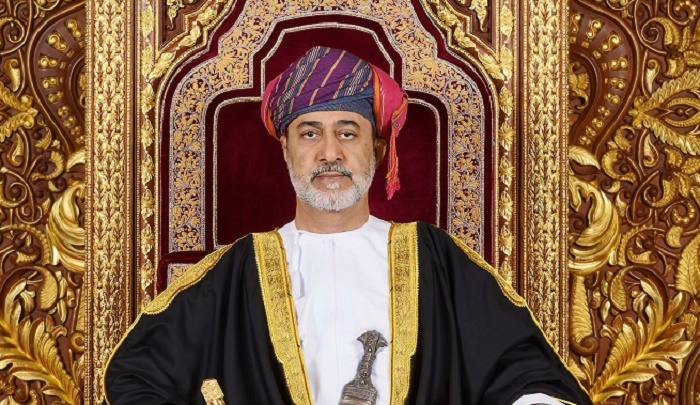

Oman’s leadership recently solidified its governmental structure with a formal swearing-in ceremony at the Al Baraka Palace. His Majesty Sultan Haitham bin Tarik administered the oath of office to several key officials, marking a significant step following recent Oman government appointments issued via Royal Decrees. This event underscores the Sultanate’s commitment to stability and progress as it continues to implement its Oman Vision 2040.
Recent Oman Government Appointments: A Ceremony of Commitment
The ceremony, held within the historic walls of Al Baraka Palace, was a display of tradition and a reaffirmation of dedication to national service. His Majesty Sultan Haitham bin Tarik personally oversaw the proceedings, emphasizing the importance of the roles these officials will play in shaping Oman’s future. The appointments reflect a blend of experienced leadership and emerging talent, poised to drive forward the Sultanate’s ambitious development plans. This move is part of a broader effort to enhance governmental efficiency and responsiveness to the needs of the Omani people.
Officials Sworn into Office
Four high-ranking officials took the oath of office before His Majesty, each assuming a crucial position within the Omani government. Their appointments signal a focus on economic diversification, regional development, and strengthening international relations.
His Highness Sayyid Bilarab bin Haitham Al Said
His Highness Sayyid Bilarab bin Haitham Al Said was sworn in as Minister of State and Governor of Muscat. This dual role positions him as a key figure in the development and administration of the capital region, which is undergoing rapid modernization and expansion. Muscat’s growth is central to Oman’s economic strategy, and Sayyid Bilarab’s leadership will be instrumental in managing this transformation. His focus will likely include infrastructure projects, tourism development, and improving the quality of life for residents.
His Excellency Anwar bin Hilal Al Jabri
His Excellency Anwar bin Hilal Al Jabri assumed the position of Minister of Commerce, Industry and Investment Promotion. This is a particularly vital role as Oman actively seeks to attract foreign investment and diversify its economy away from oil. Al Jabri’s experience in the business sector will be invaluable in creating a more favorable environment for entrepreneurs and investors. He will be responsible for implementing policies that promote sustainable economic growth and create job opportunities for Omanis. Investment in Oman is a key priority, and his ministry will be at the forefront of these efforts.
His Excellency Sayyid Faisal bin Hamoud Al Busaidi
His Excellency Sayyid Faisal bin Hamoud Al Busaidi was appointed as the Governor of Musandam. Musandam, a strategically important region known for its stunning fjords and unique geographical location, requires dedicated leadership to unlock its full potential. His appointment signifies the government’s commitment to developing this northern governorate and improving the livelihoods of its residents. This includes focusing on tourism, fisheries, and logistical infrastructure.
His Excellency Sheikh Abdulaziz bin Abdullah Al Hanai
His Excellency Sheikh Abdulaziz bin Abdullah Al Hanai took the oath as the Roving Ambassador at the Ministry of Foreign Affairs. This role is crucial for strengthening Oman’s diplomatic ties and promoting its interests on the international stage. As a Roving Ambassador, Sheikh Abdulaziz will be tasked with engaging with various countries and organizations to foster cooperation and address regional and global challenges. His work will contribute to Oman’s reputation as a neutral and effective mediator in international affairs. Oman foreign policy is built on these principles.
Significance of the Appointments and the Oath Ceremony
The swearing-in ceremony wasn’t merely a procedural formality; it was a powerful symbol of continuity and commitment to the nation’s progress. The presence of His Majesty Sultan Haitham bin Tarik underscored the importance he places on these appointments and the expectations he has for these officials. These Oman government appointments are expected to accelerate the implementation of Oman Vision 2040, a comprehensive plan for economic and social development.
The focus on economic diversification, particularly through the Ministry of Commerce, Industry and Investment Promotion, is a clear indication of the Sultanate’s long-term strategy. Attracting foreign investment and fostering a thriving private sector are seen as essential for creating a sustainable and prosperous future for Oman. Furthermore, the attention given to regional development, as exemplified by the appointment of a Governor for Musandam, demonstrates a commitment to equitable growth across all governorates.
The appointment of a Roving Ambassador also highlights Oman’s dedication to playing an active and constructive role in international affairs. The Sultanate has long been recognized for its diplomatic efforts and its commitment to peaceful resolution of conflicts. Sheikh Abdulaziz’s role will be vital in furthering these goals.
Looking Ahead: Oman’s Vision for the Future
These recent appointments represent a significant step forward in Oman’s journey towards achieving its ambitious goals outlined in Oman Vision 2040. The newly sworn-in officials bring a wealth of experience and expertise to their respective roles, and they are expected to work tirelessly to serve the nation and its people. The Sultanate is poised for continued growth and development, and these Oman government appointments are a key component of that progress. The focus on economic diversification, regional development, and international cooperation will undoubtedly shape Oman’s future for years to come. We can expect further initiatives and policies designed to attract investment and improve the quality of life for all Omanis.
To learn more about Oman’s Vision 2040 and the ongoing developments within the Sultanate, please visit the official government websites and stay tuned for further updates. Your engagement and understanding of these initiatives are crucial to supporting Oman’s continued success.