

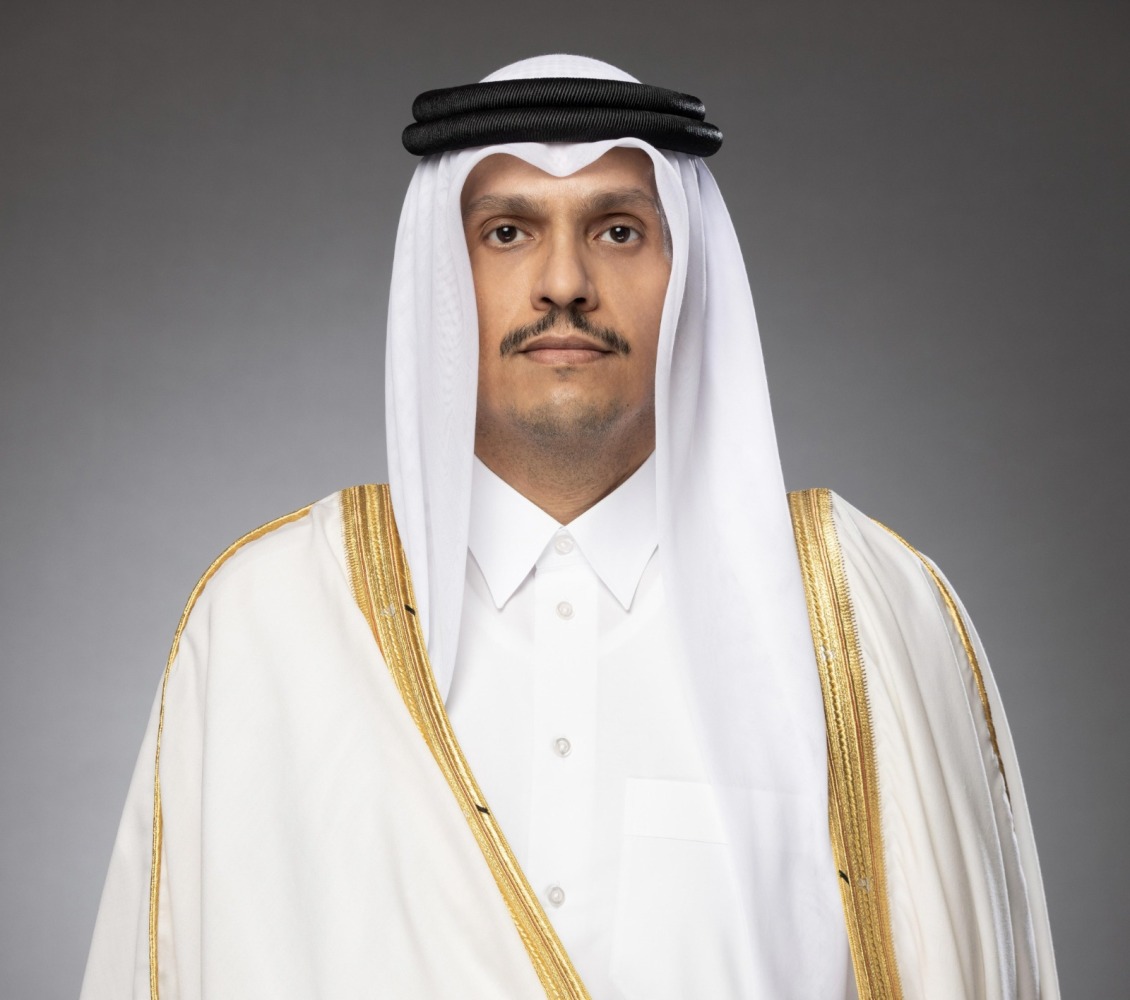

Doha, Qatar – Qatar’s Prime Minister and Minister of Foreign Affairs, Sheikh Mohammed bin Abdulrahman bin Jassim Al Thani, held a telephone conversation with Ali Larijani, Secretary of the Supreme National Security Council of Iran, on January 13, 2024. The discussion centered on Qatar-Iran relations and regional security concerns, particularly efforts toward de-escalation in the Middle East. This communication underscores Qatar’s ongoing diplomatic efforts in a volatile geopolitical landscape.
The call took place as tensions remain elevated in the region, stemming from conflicts in Gaza and Syria, and broader concerns about Iranian nuclear ambitions and regional influence. According to the official Qatar News Agency, the leaders reviewed existing cooperation between Doha and Tehran and explored avenues for strengthening ties. The conversation also addressed topics of mutual interest, though specifics were not disclosed.
Strengthening Qatar-Iran Relations Amidst Regional Instability
Qatar and Iran, despite differing regional alignments, have maintained a working relationship characterized by economic cooperation and dialogue. This is largely due to shared interests, including energy resources and regional stability. Qatar has historically played a mediating role between Iran and other nations, including the United States, particularly in discussions surrounding the Iran nuclear deal.
The two countries share a significant natural gas field, known as the North Field by Qatar and South Pars by Iran. This shared resource necessitates a degree of cooperation, even amidst broader political disagreements. However, the relationship is not without its complexities, as Qatar is a close ally of the United States and maintains security ties with other regional powers who view Iran with suspicion.
Focus on De-escalation
A key takeaway from the phone call was Qatar’s reiterated commitment to de-escalation and peaceful resolutions in the region. Sheikh Mohammed reportedly reaffirmed Qatar’s support for any initiatives aimed at reducing tensions and promoting stability. This stance aligns with Qatar’s broader foreign policy objectives, which prioritize diplomacy and mediation.
The situation in Gaza has been a major point of concern for Qatar, which has been actively involved in mediation efforts to secure a ceasefire and the release of hostages. Qatar has also provided significant humanitarian aid to Palestinians in Gaza. The ongoing conflict has raised fears of a wider regional escalation, making Qatar’s diplomatic efforts even more crucial.
Meanwhile, Qatar is also navigating the complexities of the war in Yemen, where it has played a role in supporting peace talks. The potential for the conflict in Yemen to spill over into neighboring countries remains a significant concern. The need for a comprehensive political solution to the Yemeni crisis is widely recognized.
The discussion between Sheikh Mohammed and Larijani also likely touched upon the broader issue of Iranian regional influence. Several countries in the region, including Saudi Arabia and the United Arab Emirates, have expressed concerns about Iran’s support for proxy groups and its nuclear program. Qatar has consistently urged all parties to engage in constructive dialogue to address these concerns.
The timing of this call is significant, coming after a period of heightened tensions in the Gulf region. The United States has increased its military presence in the area in response to attacks on commercial shipping and US forces. Iran has, in turn, warned against further escalation. This delicate balance requires careful diplomacy, and Qatar is positioning itself as a key player in these efforts.
Looking ahead, further diplomatic engagements between Qatar and Iran are anticipated. The success of these efforts will depend on the willingness of all parties to compromise and prioritize regional stability. The ongoing negotiations regarding the situation in Gaza and the broader issue of Iranian nuclear ambitions will be critical areas to watch in the coming weeks and months. The future of diplomatic relations and regional security remains uncertain, but Qatar’s continued engagement is likely to be a vital factor in shaping the outcome. The development of bilateral trade between the two nations will also be a key indicator of the relationship’s health.