






Brussels – European leaders are grappling with a rapidly shifting geopolitical landscape as US President Donald Trump takes increasingly assertive actions on the world stage. From threats of military intervention in Iran to demands for territorial control and trade concessions, Trump’s actions are forcing the European Union to reassess its role and relevance. The situation is further complicated by internal divisions within the EU, particularly surrounding a recently approved trade deal with Mercosur, and the need to maintain a delicate balance in supporting Ukraine. This evolving dynamic is placing significant strain on transatlantic relations and prompting discussions about European strategic autonomy.
Just twelve days into the new year, Trump has ordered the potential capture of Venezuelan leadership, threatened to annex Greenland from Denmark, and pressured Cuba into a favorable oil agreement. These moves, aimed at expanding US influence in the Western Hemisphere, have sparked concern and condemnation from international observers. Simultaneously, escalating anti-government protests in Iran are raising the specter of potential US intervention, with Trump stating he is considering “very strong” options.
European Response to Iran Protests and Trump’s Foreign Policy
Former French Prime Minister Dominique De Villepin urged restraint from President Trump regarding Iran, speaking on the Europe Today program. He suggested pursuing “unofficial ways to pressure the Islamic government” and prioritizing dialogue to “halt the current situation,” warning that intervention could lead to “chaos worse than the situation today.” This sentiment reflects a broader concern within Europe about escalating tensions in the Middle East.
European Union leaders have largely been sidelined by these developments, hampered by internal disagreements and a desire to avoid alienating the US while continuing to support Ukraine. However, the recent approval of the EU-Mercosur trade deal represents a potential opportunity for the EU to demonstrate its ability to operate independently and forge its own economic partnerships.
Mercosur Deal: A Boost to EU Credibility
After nearly three decades of negotiations, EU countries backed the controversial free trade agreement with the South American Mercosur bloc on Friday. The agreement, which will be signed next Saturday in Asunción, Paraguay, by key officials, is seen as a significant achievement for the EU and a signal that rules-based trade agreements remain viable despite global upheaval. This move is intended to showcase the EU’s capacity to diversify its geo-economic relationships and assert its influence on the international stage.
However, the deal faces opposition from France, where President Macron’s government is struggling with domestic political challenges. Despite concessions secured by Paris, including financial commitments to agriculture and a temporary exemption from carbon border taxes, French farmers and political factions remain critical of the agreement.
Growing Concerns Over US Intervention in Iran
The US administration is reportedly considering a range of responses to the ongoing protests in Iran, including military intervention, sanctions, and support for opposition movements. According to the Wall Street Journal, Trump has been receiving hourly updates on the situation and will be briefed on concrete options tomorrow. Tehran has warned that US military bases and Israel would be considered “legitimate targets” if the US were to intervene.
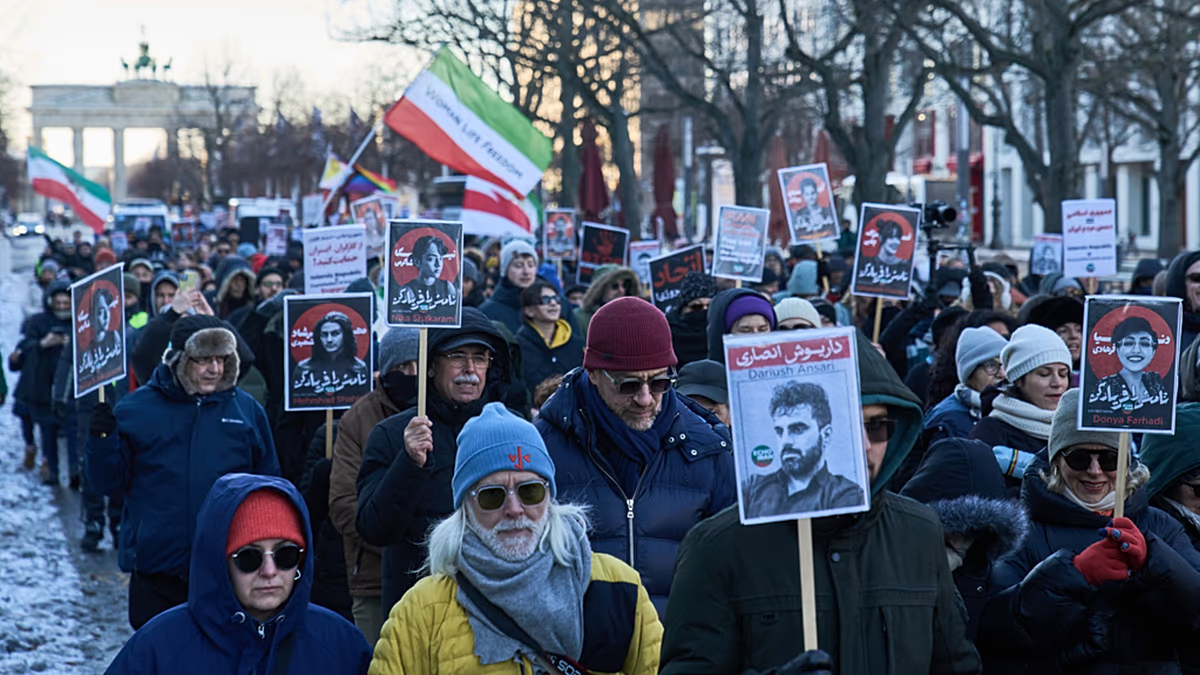
Reports from activist groups indicate that at least 544 demonstrators have been killed in the crackdown by Iranian authorities. Despite a complete internet shutdown, verified videos continue to emerge, showcasing widespread protests across the country fueled by economic hardship and dissatisfaction with the ruling regime. Demonstrations in solidarity with the Iranian people have also taken place in several European cities, including Paris, Berlin, Amsterdam, and London.
Analysts from Euronews’ Persian service suggest the coming hours are critical in determining whether the protests represent a turning point for Iran. The role of exiled figures like Reza Pahlavi, son of the last Shah, is also drawing international attention, though his potential influence remains divisive.
Greenland and Cuba in the Crosshairs
Adding to the international tension, President Trump has threatened to seize Greenland from Denmark, prompting a strong response from Danish Prime Minister Mette Frederiksen, who described the situation as a “decisive moment” for her country and the NATO alliance. European NATO allies, led by the UK and Germany, are reportedly considering a joint military mission to Greenland as a show of defiance. Bloomberg has reported on these discussions.
Meanwhile, Trump has warned Cuba that it will no longer receive oil or financial support from Venezuela unless it agrees to a new oil deal with the US. This pressure tactic underscores the US president’s assertive approach to foreign policy and his willingness to challenge established relationships.
The EU now faces the challenge of navigating this complex and unpredictable environment, balancing its commitment to multilateralism with the need to protect its own interests and values. The coming weeks will be crucial in determining whether the EU can regain its footing and play a more proactive role in shaping the global order.
More from our newsrooms:
- ‘I suggest they make a deal now before it is too late’ says Trump as he threatens Cuba
- US launches new retaliatory strikes against IS in Syria after deadly ambush
- Owner of Swiss bar in New Year fire admits service door was locked from the inside
That’s it for today. Sign up to receive Europe Today in your inbox every weekday morning at 08.30.