


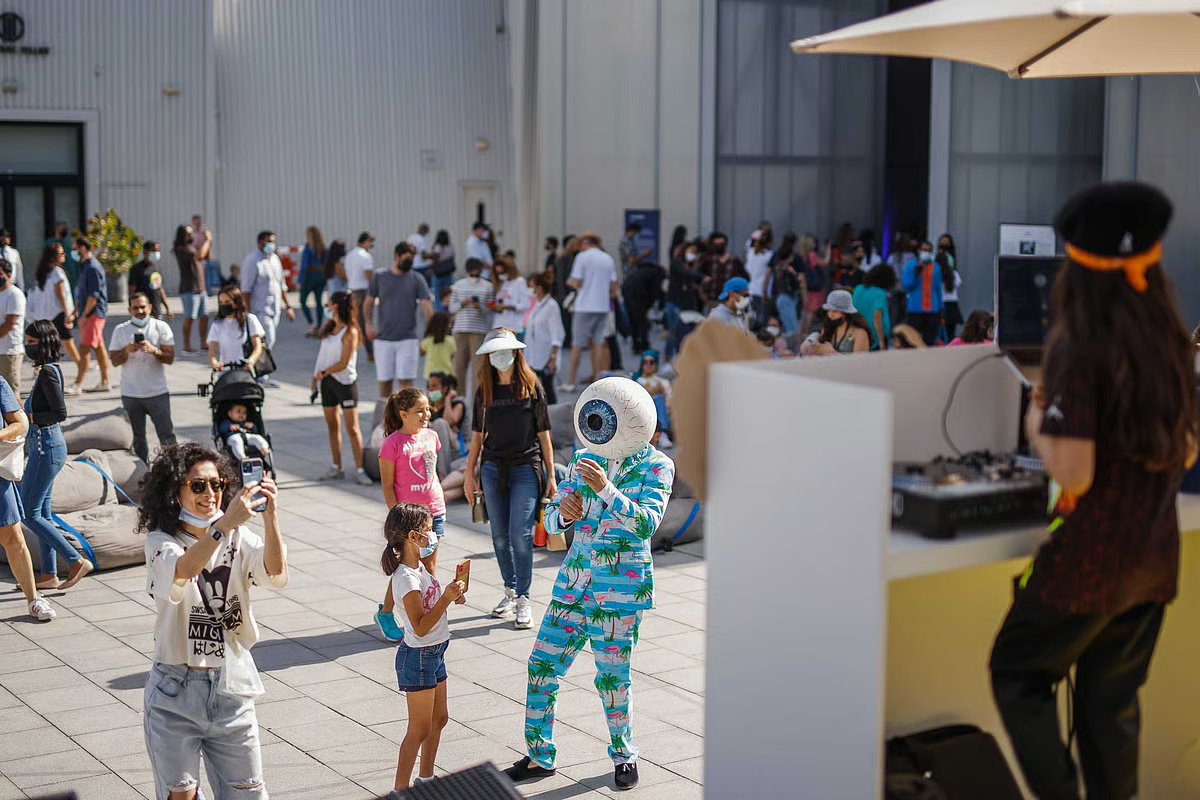

Dubai is preparing to host its annual cultural festival, attracting over 35,000 visitors annually and solidifying its position as a key event in the region. The festival, a diverse showcase of arts and entertainment, will feature experimental installations, live performances, musical acts, culinary experiences, and activities for families. Organizers are finalizing details for the event, which is expected to contribute significantly to Dubai’s tourism and cultural sectors.
The multi-day festival takes place in various locations throughout Dubai, typically during the cooler months of late autumn or early winter. While specific dates vary each year, the event consistently draws a large and varied audience, including both residents and international tourists. This year’s iteration aims to build on previous successes and further enhance Dubai’s reputation as a global hub for creativity and innovation.
The Growing Importance of Dubai’s Cultural Festival
The festival’s growth reflects Dubai’s broader strategy to diversify its economy and promote itself as a destination for arts and culture, not solely for commerce and luxury tourism. According to the Dubai Department of Economy and Tourism, cultural and creative industries are increasingly recognized as vital contributors to the emirate’s GDP. The event provides a platform for both established and emerging artists to showcase their work, fostering a vibrant artistic community.
The festival’s impact extends beyond economic benefits. It also plays a crucial role in promoting cross-cultural understanding and dialogue. By bringing together artists and audiences from different backgrounds, the event encourages exchange and appreciation of diverse perspectives. This aligns with Dubai’s vision of becoming a truly cosmopolitan city.
A Diverse Programme of Events
The festival’s programme is intentionally broad, encompassing a wide range of artistic disciplines. Experimental art installations often challenge conventional notions of art and engage viewers in interactive experiences. Live performances, including theatre, dance, and spoken word, provide a platform for storytelling and artistic expression.
Music acts represent a variety of genres, from traditional Arabic music to contemporary international sounds. Food experiences offer a culinary journey through the region and beyond, showcasing both local delicacies and international cuisine. Family activities ensure that the festival is accessible and enjoyable for all ages.
Attracting Regional and International Talent
The festival’s appeal lies in its ability to attract both regional and international talent. Artists from across the Middle East, North Africa, and South Asia (MENA) region regularly participate, showcasing the rich cultural heritage of the area. Additionally, the event actively seeks out collaborations with artists and organizations from Europe, North America, and other parts of the world.
This international collaboration is facilitated by Dubai’s strategic location and its well-developed infrastructure. The emirate serves as a convenient gateway between East and West, making it an attractive destination for artists and performers. The presence of world-class venues and logistical support further enhances its appeal.
However, organizing such a large-scale event presents logistical challenges. Coordinating the schedules of numerous artists, securing appropriate venues, and managing the flow of visitors require meticulous planning and execution. Organizers must also navigate evolving health and safety protocols, particularly in the wake of global pandemics.
The success of the cultural festival is also dependent on effective marketing and promotion. Reaching a diverse audience requires a multi-channel approach, utilizing social media, traditional advertising, and public relations. The festival leverages digital marketing strategies to target potential visitors both domestically and internationally, increasing event awareness.
In recent years, there has been a growing emphasis on sustainability at the festival. Organizers are implementing measures to reduce the event’s environmental impact, such as using eco-friendly materials and promoting responsible waste management. This reflects a broader trend towards sustainable tourism and event management in Dubai. The focus on sustainable practices is becoming increasingly important for attracting environmentally conscious attendees.
The festival also contributes to the development of local talent. Workshops and mentorship programs are often offered to aspiring artists, providing them with opportunities to learn from experienced professionals. This investment in human capital is essential for ensuring the long-term growth of Dubai’s cultural sector. Supporting local artists is a key component of the festival’s mission.
The impact of the cultural festival on the surrounding businesses is also noteworthy. Hotels, restaurants, and transportation services all benefit from the influx of visitors. The event creates a ripple effect throughout the local economy, generating additional revenue and employment opportunities. The economic benefits extend beyond the immediate event footprint.
While the cultural festival is primarily focused on arts and entertainment, it also incorporates elements of education and community engagement. Educational programs and outreach initiatives are designed to broaden access to the arts and foster a deeper appreciation for culture. This commitment to inclusivity is a hallmark of the event.
The cultural festival’s organizers are currently finalizing the programme for the next event, with announcements expected in the coming months. They are also working to secure sponsorships and partnerships to ensure the event’s financial sustainability. The long-term viability of the festival relies on continued support from both the public and private sectors.
Looking ahead, the future of the festival appears promising. Dubai’s ongoing investment in its cultural infrastructure and its commitment to attracting international talent suggest that the event will continue to grow in scale and significance. However, potential challenges remain, including competition from other regional events and the need to adapt to changing audience preferences. The next key decision point will be the official announcement of dates and featured artists, expected by the end of September.