




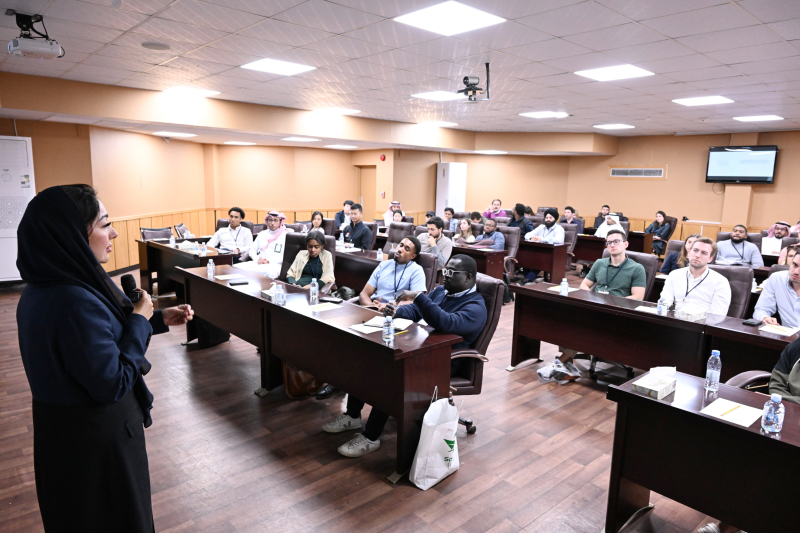

JEDDAH – A delegation from Harvard University, including representatives from Harvard Business School, concluded a visit to King Abdulaziz University (KAU) in Jeddah on Sunday. The visit aimed to foster stronger academic collaboration between the two institutions, with a particular focus on programs within KAU’s Faculty of Economics and Administration. Discussions centered on potential partnerships in research, curriculum development, and student exchange opportunities.
The Harvard delegation toured the Faculty of Economics and Administration, gaining insight into its academic structure and ongoing projects. They also met with Dr. Tareef Alaama, President of King Abdulaziz University, to explore avenues for long-term cooperation. This visit represents a significant step in KAU’s ongoing efforts to enhance its international academic profile and provide students with access to global learning experiences.
Strengthening Academic Ties Through Collaboration
King Abdulaziz University, established in 1967, has rapidly become a leading educational and research institution in Saudi Arabia. The university’s commitment to modernization and international partnerships is a key component of Saudi Vision 2030, a strategic framework designed to reduce the Kingdom’s dependence on oil and diversify its economy. This latest initiative with Harvard underscores that commitment.
The Faculty of Economics and Administration, KAU’s oldest faculty, currently serves approximately 8,452 students across more than 30 undergraduate and postgraduate programs. These programs include executive and academic master’s degrees, as well as doctoral studies. The faculty’s broad scope and large student body make it a natural focal point for international engagement.
Areas of Potential Cooperation
While specific details of potential collaborations remain under discussion, several key areas were identified during the meetings. These include joint research projects in areas of mutual interest, such as sustainable development and financial technology. Additionally, the possibility of faculty exchange programs was explored, allowing for the sharing of expertise and best practices.
The delegation also expressed interest in KAU’s curriculum development initiatives. Harvard’s renowned business school could potentially offer guidance and support in enhancing the relevance and rigor of KAU’s programs to meet the evolving needs of the Saudi Arabian job market. This aligns with broader efforts to improve higher education standards within the Kingdom.
Student exchange programs represent another promising avenue for collaboration. Such programs would provide KAU students with the opportunity to study at Harvard, gaining exposure to a different academic environment and expanding their global network. Reciprocally, Harvard students could benefit from studying in Saudi Arabia, gaining a deeper understanding of the region’s economic and cultural landscape.
The Saudi government has been actively promoting international partnerships in education as part of its Vision 2030 plan. This includes initiatives to attract foreign investment in the education sector and to send Saudi students abroad to study at top universities. The collaboration with Harvard is consistent with these broader trends in international education.
According to KAU officials, the Faculty of Economics and Administration has been particularly proactive in seeking out international collaborations. The faculty has already established partnerships with several universities in Europe and North America, and the addition of Harvard represents a significant achievement. These partnerships are intended to enhance the quality of research and teaching at KAU, and to prepare students for leadership roles in the global economy.
The visit also comes at a time of increasing focus on economic diversification in Saudi Arabia. The Kingdom is seeking to develop new industries and to reduce its reliance on oil revenues. A highly skilled workforce, equipped with the knowledge and expertise to drive innovation, is essential to achieving this goal. Strengthening ties with leading academic institutions like Harvard is seen as a crucial step in building that workforce.
The long-term implications of this collaboration are potentially far-reaching. Successful partnerships could lead to increased research funding, improved academic rankings, and a greater influx of international students and faculty to KAU. This, in turn, could contribute to the development of a more vibrant and innovative academic ecosystem in Jeddah and throughout Saudi Arabia.
Following the visit, a joint working group will be established to develop a detailed plan for implementing the agreed-upon areas of cooperation. This plan is expected to be finalized within the next six months. The success of the collaboration will depend on the commitment of both institutions to provide the necessary resources and support. Further announcements regarding specific projects and initiatives are anticipated as the working group progresses.
It remains to be seen how quickly concrete programs will materialize, and the extent to which the collaboration will expand beyond the Faculty of Economics and Administration. Monitoring the progress of the joint working group and any subsequent announcements from KAU and Harvard will be key to understanding the full impact of this developing partnership.